E-Paper



Experts flag concerns over Ken-Betwa project in Panna Tiger Reserve
The experts flagged a decline in prey base as a concern as reports emerged about presence of a female tiger with two cubs, and a male tiger frequenting the Bhusaur and Gangau area

 Prefer HTon Google


Wildlife experts and forest officials have flagged concerns over the construction work for the Ken-Betwa river linking project going on in the Panna Tiger Reserve in Chhatarpur district of Madhya Pradesh, citing a severe impact on the wildlife population inside the reserve.
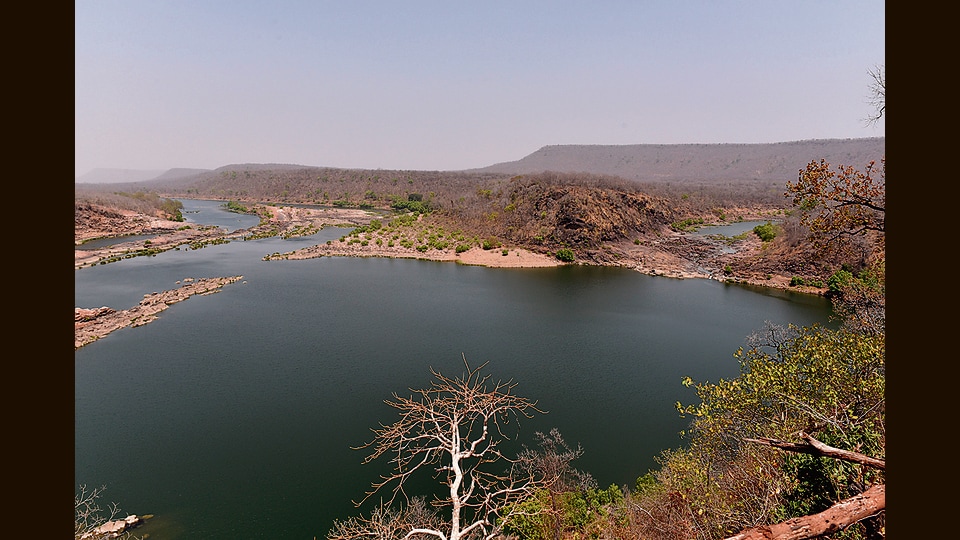
The project, flagged off by Prime Minister Narendra Modi on December 25 last year, envisions channelling excess water from Ken River into Betwa to provide access to drinking water to around 6.5 million people in MP and neighbouring Uttar Pradesh.
In March 2025, work began with the construction of a road to the dam site at Daudhan village, in PTR’s core Chandra Nagar range, for which trees in 15 hectares of forest land were felled. As a result, animals have started migrating to other areas of the reserve, officials aware of the matter said.
“The signs of disturbance are clear. Herbivores, once abundant in the Chandra Nagar range, are leaving and moving northward. This will further increase the risk of territorial conflict,” a deputy forest range officer said on the condition of anonymity.
On May 28, a tiger, identified as T-2, was killed in such territorial fight, the officer said. “These incidents may seem isolated, but they reflect a broader disruption. Even birds and monkeys are fleeing due to the presence of humans and machinery,” they added.
The experts also flagged a decline in prey base as a concern as reports emerged about the presence of a female tiger with two cubs, and a male tiger frequenting the Bhusaur and Gangau area, 5km from the project site.
Earlier on April 19, a Wildlife Institute of India (WII) report raised similar concerns about the prey density in the reserve being six animals per sq km — far below the ideal range of 30-60 per sq km prescribed by the wildlife board.
The report, released during a meeting of the National Tiger Conservation Authority (NTCA), also pointed out that the reserve has the lowest prey base among all wildlife habitats in Madhya Pradesh.
“The NTCA raised a red flag at the meeting as herbivores were already in less numbers and further cutting of forest will aggravate the situation,” said a senior forest official aware of the meeting.
Madhya Pradesh chief wildlife warden Subhranjan Sen said the department is working on protecting the migrating wildlife. “Ranipur Tiger Reserve in Uttar Pradesh, Rani Durgavati Tiger Reserve, and Dr Bhim Rao wildlife Sanctuary in Sagar in Madhya Pradesh have been notified to give a safe environment to displaced wildlife,” he said, adding that the department is also analysing data about the lower prey base in PTR and plans are being made to translocate some animals from other forests.
The Panna reserve covers a core area of 542.66 sq km and a buffer area of 1002.42 sq km. Of this, about 60 sq km — more than 10% of core area — will be submerged due to the river linking project, according to the project report drafted by the government.
To mitigate the impacts of the project, the Centre, while announcing the project, planned the acquisition of 60sq km of land in Chhatarpur and Panna district for PTR’s expansion, relocation of four villages from the core area, and setting up of a wildlife research centre, according to PTR field director Anjana Tirkey.
When the project received environmental clearance, the ministry placed three conditions, including extension of the reserve, planting 2.5 million trees as part of compensatory afforestation, and monitoring behavioural changes among the tigers and leopards by radio collaring them, said Tirkey.
Sen said that, so far, the department has acquired 30% of the mandated 60sq km land in Chhatarpur for afforestation.
“We are trying to get full extended land from the revenue [department], but there were some issues regarding displacement. We received about 30% of it and we have sped up the process to make a decision on notifying and developing the land,” he said.
He also said that the study to track leopards and tigers will take place soon after establishment of the research centre. “WII experts will participate in the research,” he added.
Project chief executive officer Prashant Dixit said that all guidelines are being followed for the construction of the dam.
“The work like soil testing, construction of roads with bitumen, felling of trees and others are going on inside the forest and construction of quarters and offices outside the forest. The construction of main structure in Daudhan will start in August-September,” he said.
Wildlife experts, however, are concerned that the project will have longstanding impact on the reserve’s wildlife and ecology. “The gains made from the revival of PTR over the past 15 years may be lost,” said Arun Singh, a Panna-based wildlife expert, adding that the project will change the economy of the Bundelkhand region over the next two decades.
Ajay Dubey, a wildlife activist, also alleged a lack of transparency from forest department on the impact the dam construction. “The work was started in March, and till now, no bulletin or any information has been shared on any public platform,” he said.