
 E-Paper



Fake news a ‘serious threat to democracy’, govt taking steps to tighten rules: Vaishnaw
Vaishnaw told Parliament that strict action is needed against false information and content misleading people


New Delhi: Information and broadcasting minister Ashwini Vaishnaw told the Lok Sabha on Wednesday that the government is taking steps to tighten rules to curb misinformation and AI-generated deepfakes, warning that fake news on social media has become a “very serious” issue and poses a “threat to India’s democracy.”
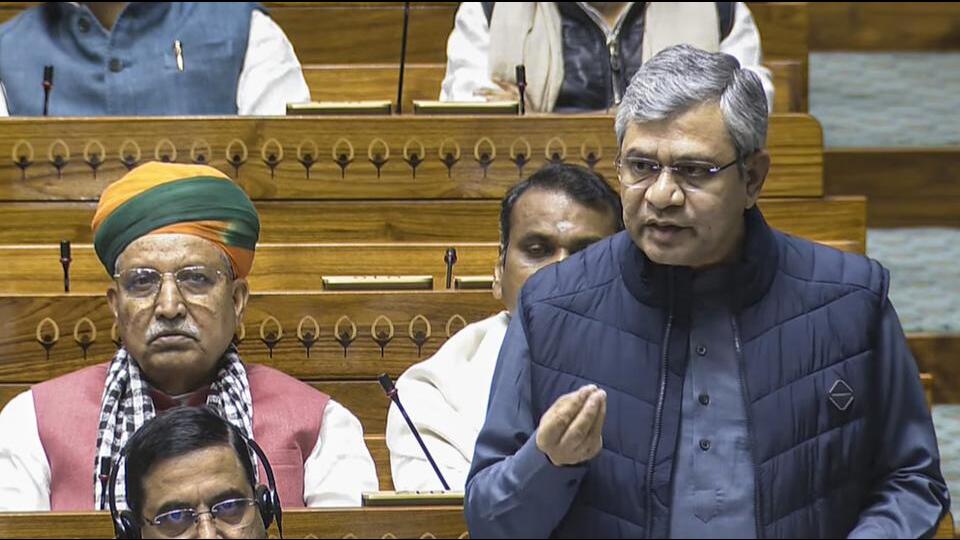
In a written response to a starred question on fake news, Vaishnaw told Parliament that strict action is needed against false information and content misleading people as “parts of the social media ecosystem do not wish to follow India’s constitution or comply with laws passed by Parliament.”
On 22 October 2025, the IT ministry, which Vaishnaw heads, put out draft amendments to the Information Technology (Intermediary Guidelines and Digital Media Ethics Code) Rules, 2021, adding a formal definition of “synthetically generated information” and requiring social-media intermediaries to mark or label AI-generated content. Feedback on the same was invited till November 13.
Vaishnaw said consultations are ongoing.
The IT ministry has also tightened the IT rules on how intermediaries must act on unlawful content. From November 15, platforms must take action within 36 hours of receiving “actual knowledge,” either through a court order or a written notice from a government officer of at least Joint Secretary rank (or a police officer not below DIG rank).
Vaishnaw told Parliament that fake and misleading news is increasing across TV, print and digital platforms.
“Different rules already exist to control this,” he said, adding that TV channels must follow the Programme Code, newspapers follow Press Council rules, and digital news and social-media platforms must follow the IT Rules.
He added that the government can block content under Section 69A of the IT Act, and a Fact Check Unit under Press Information Bureau (PIB) verifies news related to the central government.
Overall, he said, these systems balance free speech with the need to stop misinformation.
Vaishnaw also thanked the Parliamentary standing committee on Communications and Information Technology for submitting a detailed report with recommendations on improving the legal framework for digital safety and accountability.
The report, tabled in Parliament on December 2, was published on the Sansad website in October. HT had reported earlier that key recommendations of the committee included defining fake news in law, fixing gaps in existing regulations, strengthening self-regulation, improving fact-checking coordination, introducing stronger penalties, creating a unified grievance system, regulating AI-generated misinformation, tackling cross-border fake news, promoting media literacy and ensuring transparency in platform algorithms.
Vaishnaw added that the challenge lies in balancing freedom of speech with the need to protect democratic institutions. According to him, the government is approaching this issue “with full sensitivity.”


