
 E-Paper



Finance commission asks Uttar Pradesh to bring down its debt burden
Uttar Pradesh’s debt burden is 29.8% of the GSDP, according to the Uttar Pradesh Budget Documents 2019-20.

 Prefer HTon Google


N K Singh, the chairman of the 15th Finance Commission, on Tuesday underlined the need for Uttar Pradesh to bring down its debt burden substantially. He said that it has gone down but there was a need for faster progress. “We will like it [debt burden] to come down to 25% of the GSDP [Gross State Domestic Product],” Singh told journalists at the end of a four-day visit to Lucknow on Tuesday.
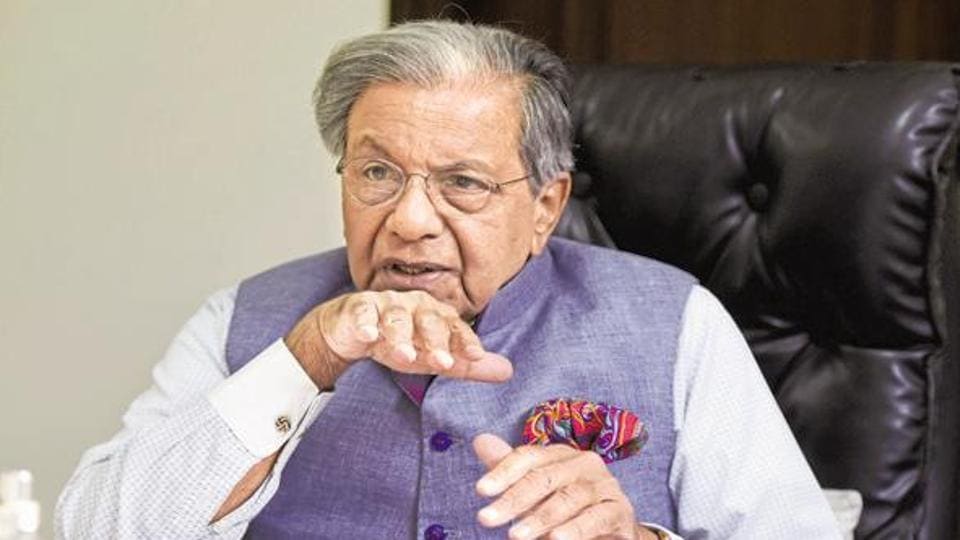
Uttar Pradesh’s debt burden is 29.8% of the GSDP, according to the Uttar Pradesh Budget Documents 2019-20.
Singh referred to Prime Minister Narendra Modi’s goal of making India a $5-trillion economy. He added that Uttar Pradesh, which accounts for India’s 17% population, needed to contribute to achieving this objective by becoming a trillion-dollar economy. “India cannot become a $5-trillion economy unless Uttar Pradesh becomes a trillion-dollar economy,” said Singh.
He said UP has had a higher GSDP growth vis-à-vis the national average. He added that the state was adhering to financial discipline by keeping the fiscal deficit to less than 3% as provided under the Fiscal Responsibility and Budget Management Act. Singh said the implementation of UDAY, the scheme for revival of power sector companies, had led to an increase in the state’s borrowings.
He added that UP was unable to achieve the objectives of UDAY as the line losses etc had not come down and losses of power companies had gone up from ~12,000 crore to ~18,000 crore. “Considerable progress had been made in this direction, too, and Uttar Pradesh was likely to move forward in accordance with UDAY’s objectives over the next two years,” he said.
Singh, who earlier met Uttar Pradesh chief minister Yogi Adityanath and his cabinet colleagues, referred to the sustainable development goals and added the state’s achievements were below the national average.
The 15th Finance Commission was constituted in November 2017 to provide recommendations for devolution of taxes and other fiscal matters for five years beginning April 2020. Yashvir Tyagi, retired professor of economics in Lucknow University quoted Reserve Bank of India report to say that state’s debt to GDP ratio was estimated to be 38.1% for the year 2019-20. “It is second highest in India after Punjab which has the debt GSDP ratio of 39.9%. For UP, it looks a tall order to reduce it to 25%...onus is also on the Finance Commission to allocate more funds to UP if it is to become a $1 trillion economy.”


