E-Paper



First instance of gharial breeding in natural habitat reported in Odisha
The tiny hatchlings were sighted on the back of the mother gharial and were also swimming independently in the gorge by Odisha wildlife officials over the past few days.


At least 28 gharial hatchlings have been sighted with their mother in the Satkosia gorge of the Mahanadi river in the first-ever case of breeding of the reptiles in natural conditions, wildlife officials said on Sunday.
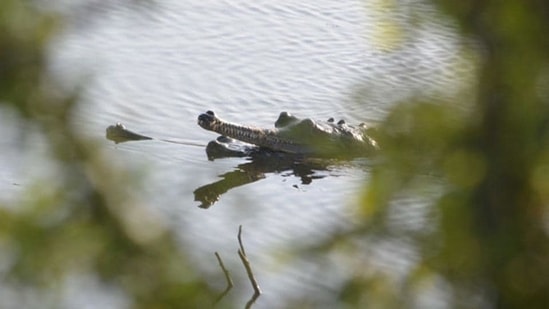
The tiny hatchlings were sighted on the back of the mother gharial and were also swimming independently in the gorge by Odisha wildlife officials over the past few days. Distinguishable by their long snout, the gharials are considered to be among the most critically endangered crocodiles with an estimated 200-400 remaining in the rivers of Uttar Pradesh as their habitat is threatened due to human encroachment and disruption of population through fishing activities. They are also genetically weak as compared to salt water crocodiles and muggers. Gharials caught accidentally in fishing nets are either hacked to death or have their snout chopped off by fishermen.
Divisional forest officer of the Mahanadi wildlife division, HB Udgata said this is the first time in the past 15 years that gharials were seen breeding in natural conditions away from the artificial breeding centres.
“Though we have been trying hard to get them to breed, it was not possible due to boating and fishing activities. In the last one year, four forest divisions around the gorge worked together to make the western part of Satkosia totally inviolate by stopping fishing and boating activities. Three of our research assistants also monitored the gharials and their courtship, which paid off,” said Udgata.
The DFO said this is the first time that gharials have bred in natural conditions south of the Chambals where they are normally found. “The key was minimising human interference and it worked. They eat only fish and once fishing stopped they had plenty to eat. Given a chance, wildlife can make a stunning comeback,” he said.
Only 14 gharials were spotted at the Satkosia gorge in 2019. A gharial project was started in Tikarpada in 1975 with the aim to increase their population as they are not considered as dangerous as other crocodiles.
The state forest department in June 2019 released six gharials fitted with radio transmitters from the Nandankanan zoo into the Mahanadi river to track their migratory routes in order to save them from extinction. While two gharials died, one moved to the Luna river in Kendrapara district and covered around 150km. In December 2019, another radio transmitter-fitted gharial was killed by some fishermen in the Mahanadi.