
 E-Paper



Food Security | El Nino to keep food supplies tight, upside risk to inflation
The key concern is a dent in agriculture output at a time when food inflation is high and recovery in the rural economy still weak

 Prefer HTon Google


A strengthening El Nino has impacted the June-September monsoon’s progress and spread, which is likely to keep food supplies tight and pressure on inflation up. The effects are also likely to spill into the broader economy as a sub-par monsoon could hit rural demand, analysts say.
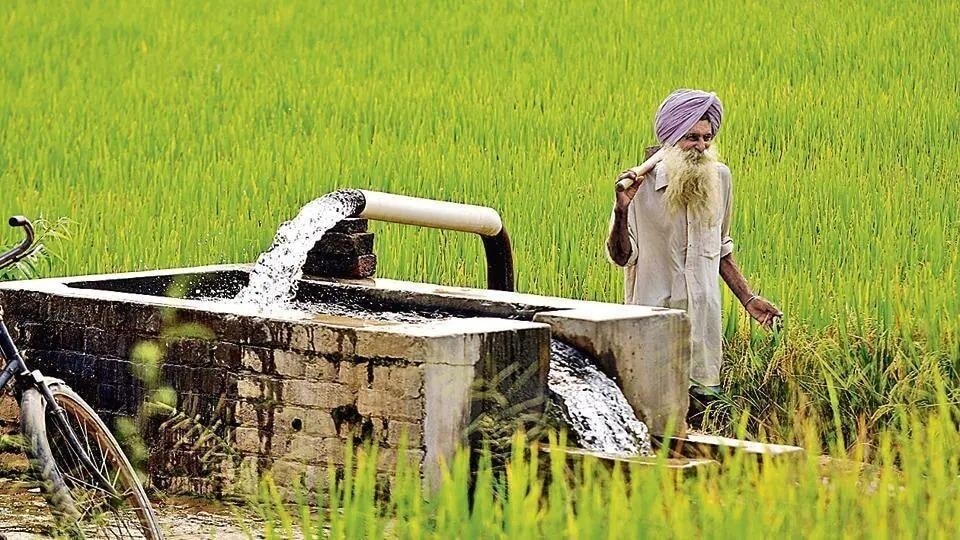
After recovering in July, the monsoon, vital for Asia’s third-largest economy, turned scanty in the next month, resulting in the driest month of August in 123 years, taking the cumulative deficiency to 11% as of September 8.
The key concern is a dent in agriculture output at a time when food inflation is high and recovery in the rural economy still weak. For good farm output, the rains need to be not only robust but evenly spread.
Distribution however has been skewed. Rainfall was 3% surplus in northwest India, which has good irrigation cover anyway. However, the rain-bearing system has been 17% below normal in the south and east, and 10% deficient in northeastern and central India, where access to irrigation is low.
“Any impact on crop output could increase upside pressure on the Consumer Price Index (CPI)-based food inflation, which is already hovering in double digits,” Dharmakirti Joshi, chief economist with Crisil Ltd, a rating agency, said.
Economists at Crisil Ltd have developed a proprietary deficient rainfall impact parameter (DRIP) model, which recently showed that Jharkhand, Karnataka, Maharashtra, Bihar and West Bengal are “vulnerable” to farm stress.
It also highlights pulses, some coarse cereals, rice and oilseeds as vulnerable crops facing duress due to deficient rains and a low irrigation cover.
Read more: Kharif crops output and food security
Red flags
Consumer prices leapt to 7.44% in July, a 15-month high, led by food prices. Disaggregated inflation data show a 13% growth in the prices of rice and pulses. Within pulses, inflation was the highest at 34.1% for pigeon pea (tur), followed by 9.1% for gram (moong) and 7.9% for black gram (urad).
Inflation in coarse cereals too has been rising. In July, the price rise in millets or coarse cereals was 11.5%, with the highest inflation recorded at 16.8% for sorghum (jowar) and 9.6% for maize. Higher maize prices tend to raise animal feed costs, which in turn feed into milk and meat prices.
In Jharkhand, Karnataka and Bihar rain deficiency has been high at 34%, 28% and 30%. In Maharashtra and West Bengal, rains have been deficient for most of the monsoon season so far despite a recent pick-up.
Jharkhand is a major grower of pulses. Maharashtra and Karnataka produce a range of crops, such as pulses, coarse cereals, sugarcane and cotton. West Bengal and Bihar are large rice producers.
Elevated prices have prompted India to ban rice and wheat exports, levy a 40% duty on onion shipments abroad and allow duty-free imports of pulses.
The Centre has been monitoring prices of all essential commodities in the run-up to the festive season, beginning next month, an official said.
This week, the government invoked the Essential Commodities Act, asking traders, supply-chain intermediaries and retailers of lentils (masur) to declare stocks held by them, after a review showed signs of cartelisation to ratchet up prices ahead of a festive season, when demand soars.
India may prohibit sugar export or curtail shipments considerably in the new season beginning October 1, in addition to other measures to boost domestic availability and keep prices stable, HT reported on Friday, citing people aware of the development.
A patchy monsoon may crimp sugarcane output in the world’s second-largest producer of the commodity, according to industry forecasts and prices of sugar have risen by about 3% over the past month, according to official figures.
The government is also weighing a proposal to impose a 25% duty on molasses, a by-product of sugar that goes into making of ethanol and also put limits on how sugar a mill can stock, measures aimed at boosting supplies.
India had limited overseas shipments to 6.1 million tonnes in the current season, compared to 11.1 million tonnes exported in the previous season.
The Indian Sugar Mill Association (ISMA), an industry body, last month said sugar output will decline by 3.41% to 31.68 million tonnes in the coming sugar season (2023-24). The government has yet to come out with its own estimates for the summer crop, although it has assured that it has enough stock.
Hope floats
Overall, food prices have remained elevated this year. Though some of the price pressure, mainly in perishable items like vegetables, is likely to dissipate with fresh harvests, a poor monsoon is likely to keep food inflation high, analysts say.
The Indian Meteorological Department (IMD), the national weather bureau, has predicted a catch-up in the monsoon in September, which will likely offset some of the impact of a parched August.
Showers across Madhya Pradesh, Jharkhand and some parts of Maharashtra on September 7-8 have been very beneficial for soyabean crops, which were under threat, said DN Pathak, executive director of Soyabean Processors Association of India.
In the past, rains have caught up right at the end of the monsoon season. For instance, the monsoon was 9% deficient at the end of August 2021, but it revived in September, decreasing the overall deficiency for the season to just 1%. This did help agriculture growth, which clocked 3.5% that year.


