
 E-Paper



Frequent tectonic activities, climate change causing landslides in Pithoragarh, say experts
Frequent small earthquakes in Pithoragarh loosen the soil which then become prone to major landslides during heavy rain.

 Prefer HTon Google


Frequent tectonic activities combined with changing weather patterns due to global warming are causing natural calamities including landslides in the Himalayan region especially Pithoragarh which has been the worst affected district in Uttarakhand this year, say experts.
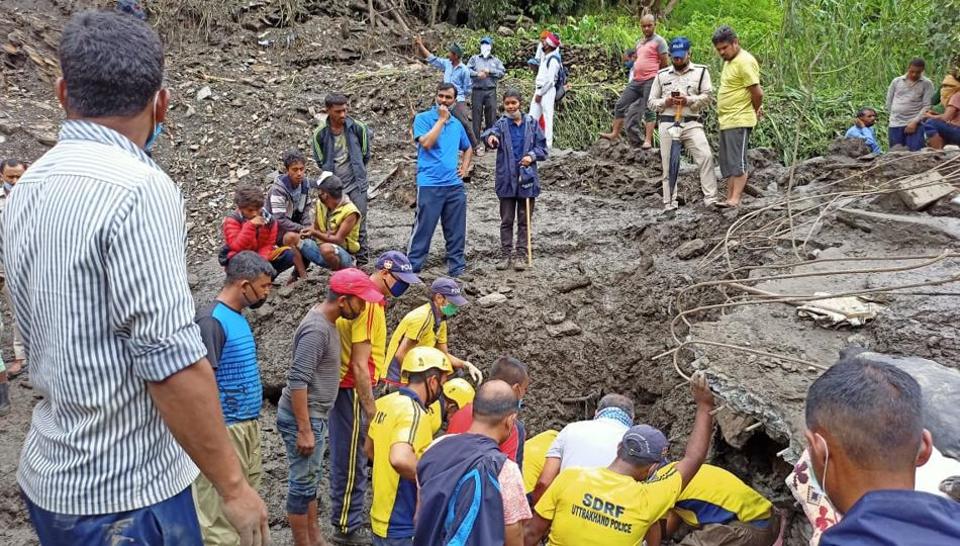
At least 21 people have died in the hill district of Pithoragarh since April due to various natural tragedies including landslides caused by heavy rains. Over 60 villages in its Munsiyari area were cut off due to heavy rains last month.
Pradeep Kumar assistant geologist, Pithoragarh district said, “The reason behind the natural tragedies in Pithoragarh seems to be a combination of tectonic activities beneath the ground and incessant rains in the higher reaches due to changing weather patterns.”
Kumar had conducted a geological survey of the villages that were hit hard by heavy rain in the last one month.
He added, “The areas of Dharchula, Bangapani and Munsiyari which houses most of the affected villages come under earthquake-prone areas in the Himalayas. These areas suffer small earthquakes round the year because of which the soil becomes loose. And when heavy rains lash these areas, landslides happen leading to severe damage to property and life.”
Scientists at GB Pant National Institute of Himalayan Environment (NIHE) in Almora corroborated Kumar’s contention and said the changing weather pattern has also contributed to the number of natural disasters happening in Pithoragarh.
“The increase in global surface temperature has increased the frequency of cloudbursts and incessant rains in the area. Unfortunately, this seems set to increase in the near future,” Dr RS Rawal, director of GB Pant NIHE.
Dr Rawal, however, said that the scientific community needs more time to study and analyse the changing weather pattern in the Himalayan region including that of Pithoragarh.


