E-Paper



Democracies shouldn’t take advantage of sanctions on Russian oil: German vice chancellor
German vice chancellor Robert Habeck said making money out of the cap on Russian oil and using the system to benefit from it was not the idea behind it

 Prefer HTon Google


NEW DELHI: Democracies shouldn’t take advantage of Western sanctions or the G7 price cap on Russian oil to provide more funds to Russia to fuel its war in Ukraine, German vice chancellor and economics minister Robert Habeck said on Thursday in the context of India not joining these measures.
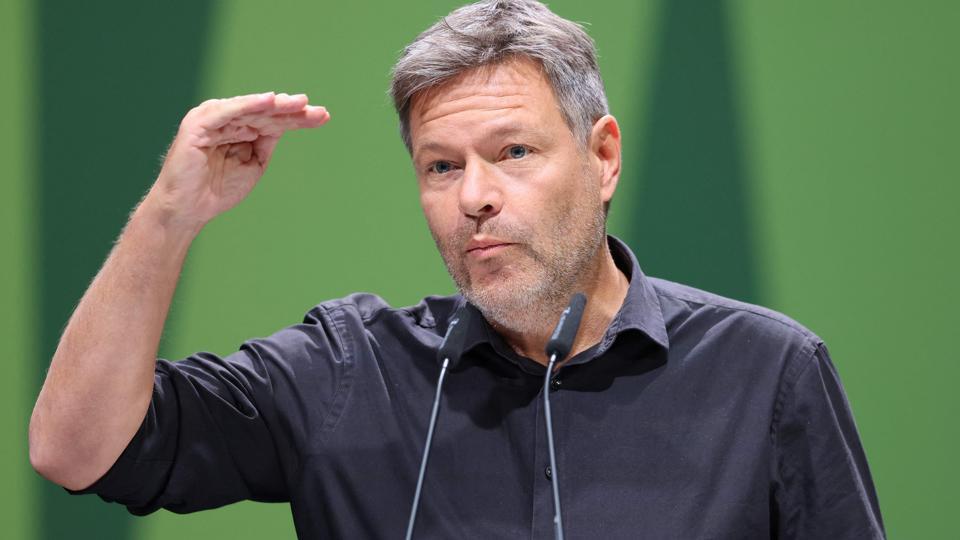
Western sanctions imposed after Russia’s invasion of Ukraine haven’t banned trade in Russian oil, but providing more funds to Russia or “using this sanctions system to benefit from it is not the idea of it”, Habeck told reporters on the margins of an Indo-German Business Forum.
Asked about India not joining the price cap imposed on Russia oil by the G7, Habeck replied: “The sanctions system means that we haven’t banned the trade of oil, but there’s a price cap on it. That means that you are allowed to buy crude oil and refine it, this is within the sanctions system, but making money out of it, bringing more money to Russia, using this sanctions system to benefit from it is not the idea of it.”
He added: “So, I ask all democracies worldwide not to use the sanctions system to give more credit, more money to Russia that they can fuel their war in Ukraine.”
Russia swiftly became India’s leading source of crude after refiners snapped up discounted Russian oil following the start of the Ukraine conflict. Russia currently accounts for almost 40% of India’s energy imports, with purchases hitting a high of about 1.95 million barrels a day in May.
Habeck, who is also the minister for economic affairs and climate action, said Russia’s aggression against Ukraine is “unprecedented” for the European side. “It has destroyed the European peace order built up after World War 2. This is a historic event that has changed everything in Europe. I know that Europe is a little bit away from Asia...but on the other hand, this is of such importance that I urge all the democracies worldwide to be clear in language and political position that this is not acceptable,” he said.
Habeck’s remarks triggered a response from Russian ambassador Denis Alipov. “Noted reports that one of the goals of German Vice Chancellor Robert Habeck’s visit to India is to discuss Russia-India cooperation. He’d do better to concentrate on India-Germany relations instead as he’s supposed.”
Alipov added in another tweet: “Unfortunately, Germany has abandoned independent position on security issues in Europe making its voice in the Ukrainian conflict irrelevant.”
In response to another question that Germany’s relations with China are “complicated”. Habeck said China is Germany’s biggest trading partner and many German companies have invested in that country. “On the other hand, we see that being dependent on only one market could be a risk. And even more so if we see that economic issues are not politically neutral, that interests are interwoven in the economic relations,” he said.
Pointing to tensions between China and Taiwan and growing cooperation between China and Russia, he said, “This means that we can’t de-couple from China, and nobody wants that, but de-risking and diversification is of highest importance.”
In this context, the Indo-German partnership has become more important, and there is a mutual interest on both sides to strengthen cooperation in trade and investments, he added.