
 E-Paper



MoD says 2,736 defence items indigenised in self-reliance quest
All these items were part of different ‘positive indigenisation lists’ published by the defence ministry to cut the import dependence of defence public sector undertakings (DPSU)

 Prefer HTon Google


The government on Tuesday said that 164 defence items that were under an import ban, and used in platforms including tanks, infantry combat vehicles, missiles and warships, have been indigenised in a fresh push for self-reliance. This has taken the total number of such defence items, including line replacement units, sub-systems and spares, indigenised during the last two-and-a-half years to 2,736.
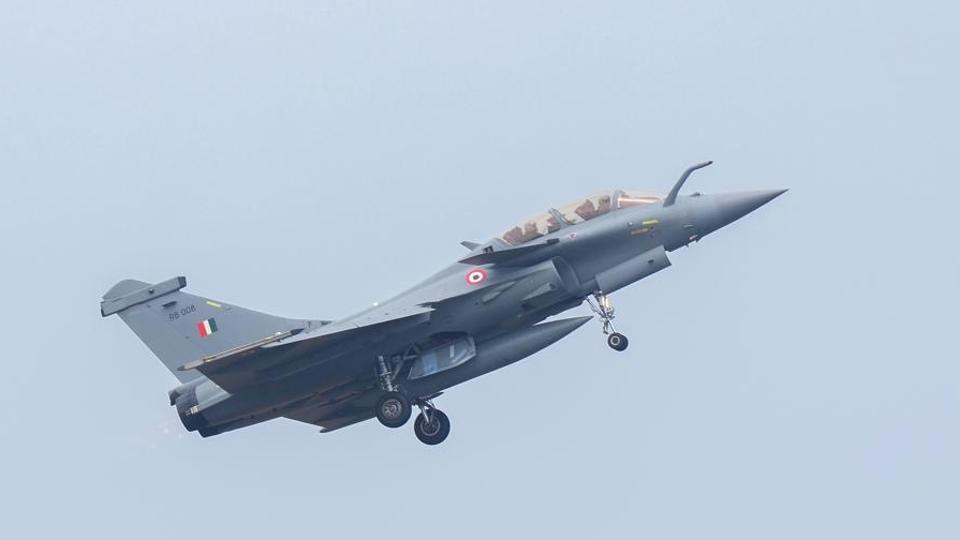
All these items were part of different ‘positive indigenisation lists’ published by the defence ministry to cut the import dependence of defence public sector undertakings (DPSU).
These 164 items have an import substitution value of ₹814 crore, the defence ministry said in a statement.
It said the total import substitution value of the 2,736 items indigenised so far was ₹2,570 crore.
These items will now be procured from the Indian industry only, the statement said.
The deadline for indigenisation of these items was December 2022.
Also Read: President Droupadi Murmu flies maiden sortie in Sukhoi-30. Watch
The indigenisation has been achieved by DPSUs either through industry partners, including micro, small & medium enterprises (MSMEs), or in-house, it said.
The ministry’s department of defence production has so far published four ‘positive indigenisation lists of 4,666 items including LRUs, sub-systems, spares and components that have come under a phased import ban.
The fourth list of 928 items was published last week and brought these items under a phased import ban between December 2023 and December 2029. It included items used in fighter planes, trainer aircraft, warships and different types of ammunition.
It came on the back of three similar lists published by the defence ministry in December 2021, March 2022 and August 2022.
The 928 defence items have an import substitution value of ₹715 crore.
The latest list seeks to promote the local production of several parts of Sukhoi-30 and Jaguar fighter jets, Hindustan Turbo Trainer-40 (HTT-40) planes, magazine fire-fighting systems on board warships, and gas turbine generators.
The components and sub-systems in the previous lists included several items for fighter jets, Dornier-228 planes, multiple systems for submarines, equipment for T-90 and Arjun tanks, BMP-II infantry combat vehicles, warships and submarines, and anti-tank missiles.
India has employed a two-pronged approach to achieve indigenisation through import bans.
One approach relates to banning the import of weapons and systems such as fighter jets, warships, helicopters and artillery guns, while the other covers sub-systems, spares and components that are part of bigger weapon platforms.
As part of the former, India has published four other lists that have imposed a phased import ban on 411 different types of weapons and platforms including light weight tanks, naval utility helicopters, artillery guns, missiles, destroyers, ship-borne cruise missiles, light combat aircraft, light transport aircraft, long-range land-attack cruise missiles, basic trainer aircraft, airborne early warning and control (AEW&C) systems, and multi-barrel rocket launchers.
These lists were announced during the last three years --- in August 2020, May 2021, April 2022 and October 2022. Import substitution of ammunition, which is a recurring requirement, has been given special emphasis in these lists.
India has taken a raft of measures over the last four to five years to boost self-reliance in defence. Apart from a series of phased import bans, these steps include creating a separate budget for buying locally made military hardware and increasing foreign direct investment (FDI) from 49% to 74%.


