
 E-Paper



Govt asks SC to accept panel’s majority view on wider road for Char Dham highway project
In its report to the SC, the high-powered committee presented a divided opinion with the majority in favour of the wider roads on the Char Dham route, considering the strategic requirement and snow removal needs.

 Prefer HTon Google


The ministry of road transport and highways (MoRTH) has urged the Supreme Court to accept the majority view of the high-powered committee (HPC), which has favoured a 10-metre road width for the Rs.12,000-crore Char Dham highway project.
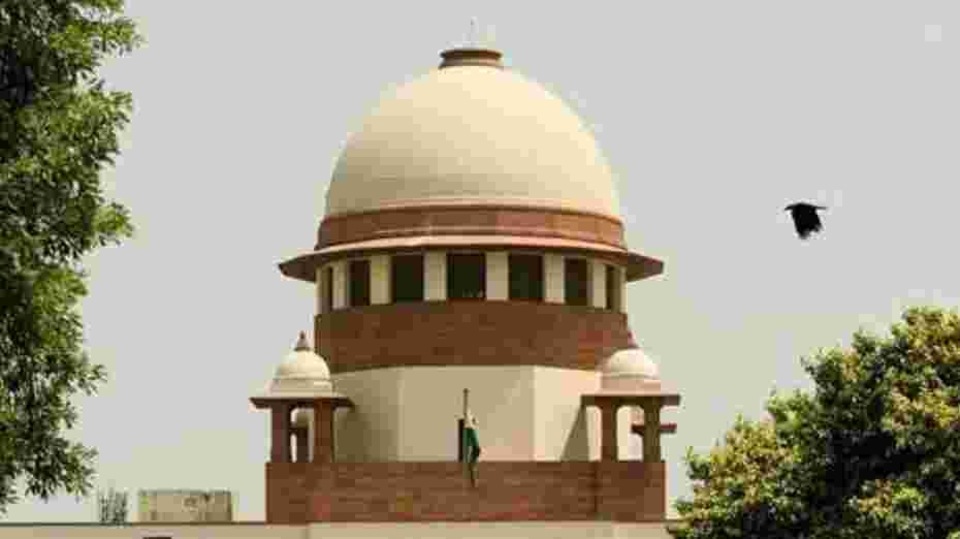
In its affidavit, the ministry has pointed out that 21 out of 26 members of the court-appointed HPC have been in favour of the wider road to ease movement of military forces along the Indo-China border areas, and to ensure better amenities for local communities.
The MoRTH, expressing its acceptance of the majority view, has also agreed that HPC should monitor the Char Dham road project, aimed at improving connectivity to the Hindu pilgrimage sites of Yamunotri, Gangotri, Kedarnath and Badrinath.
The affidavit has been filed before a bench, headed by justice Rohinton F Nariman, which will take up the MoRTH’s plea on Monday. The top court had in September 2020 ordered that the road width on the entire Char Dham route cannot be more than 5.5 m in view of MoRTH’s own circular in 2018.
Subsequently, MoRTH as well as the ministry of defence (MoD) sought a modification of this order, citing security concerns amid tensions along the Indo-China border.
While these circulars restricted the widening of roads in hilly and mountainous terrains based on the number of vehicles plying every day, the MoD emphasised that aspects relating to movement of troops and artillery were overlooked.
Subsequently, the bench referred this issue to the HPC for making suitable recommendations to the court. The HPC submitted its report in two parts – the majority repot and minority report, dated December 31, 2020.
Meanwhile, by a fresh circular on December 15, 2020, MoRTH also amended its previous circular and increased the road width in hilly and mountainous terrains along the Indo-China border to 10 m.
In its report to the SC, the high-powered committee presented a divided opinion with the majority in favour of the wider roads on the Char Dham route, considering the strategic requirement and snow removal needs. The majority report also took into account the state government’s focus on reversing the migration in border areas by providing ample livelihood opportunities and ease of transportation, and said that the latest MoRTH circular on wider roads should be accepted.
The majority report added it is not “feasible” to revisit the entire project where work is already completed and reduce the road width from 10 m to 5.5 m, underlining that it was “impractical” to reclaim the already tarred road because it will not be possible to grow trees on the excavated parts.
“Road width may be kept as approved for Char Dham with flexibility as per site conditions, considering the prior, during and post vulnerability of the terrain in the design, instead of restricting the road width,” stated the majority report, adding landslides may have no direct connection with road cutting and constructions.
The minority group comprised high-powered committee chairman Ravi Chopra, who is a noted environmentalist, and two other members, however, expressed their dissent and maintained that the road width should be restricted to 5.5 m.



