
 E-Paper



Govt to buy 156 light combat helicopters from HAL at ₹50k-cr
The light combat helicopters (LCH) can perform a variety of missions such as destruction of enemy air defences, It can target slow moving aircraft and remotely piloted aircraft

 Prefer HTon Google


The defence ministry has issued a tender to Bengaluru-based plane maker Hindustan Aeronautics Limited (HAL) for the proposed acquisition of 156 Prachand light combat helicopters (LCH) to sharpen the capabilities of the Indian Army and the Indian Air Force, officials aware of the matter said on Monday.
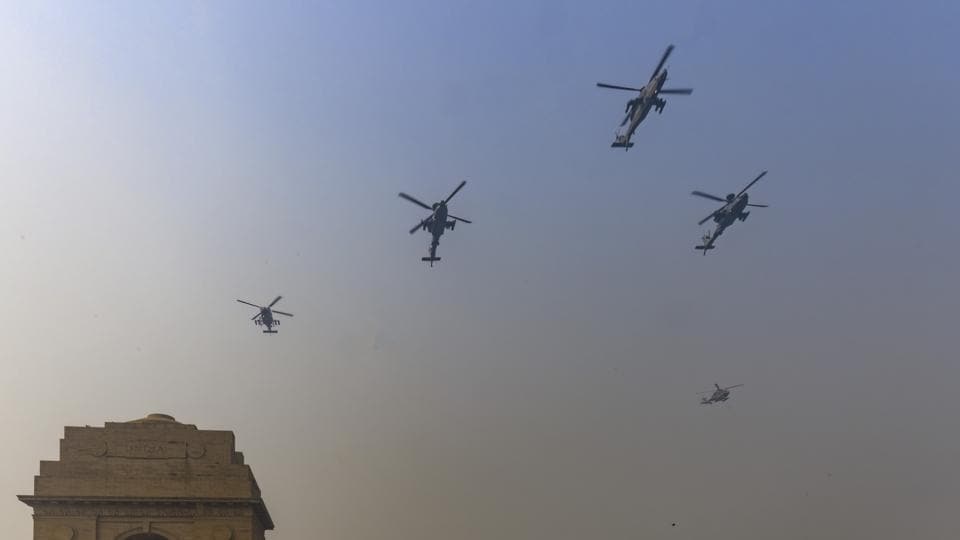
The new helicopters, 90 for the army and 66 for IAF, are estimated to cost ₹50,000 crore, the officials said asking not to be named. This will further boost India’s self-reliance drive.
The development comes two months after the ministry issued a tender to HAL for the proposed acquisition of 97 light combat aircraft (LCA Mk-1A) to strengthen the IAF’s capabilities at a time it is grappling with a shortage of fighter squadrons. The new fighter planes are expected to cost around ₹67,000 crore.
HAL has thus far manufactured 15 limited series production Prachand helicopters for the IAF (10) and army (5), and now the series production will begin. Once the contract for 156 helicopters is signed, HAL will target to execute the order in five to six years, the officials said.
The LCH currently has an indigenous content of 45% by value, which will progressively increase to more than 55% for the series production version. The LCH can perform a variety of missions such as destruction of enemy air defences, it can target slow moving aircraft and remotely piloted aircraft, destroy high-altitude bunkers, carry out counter-insurgency operations in jungle and urban environments and provide support to ground forces.
These helicopters figure on one of the government’s positive indigenisation lists, which seek to ban the import of different types of weapons, systems and ammunition over the next five years to boost self-reliance in defence.
Last year, the defence ministry slapped an import ban on 98 weapons and systems including futuristic infantry combat vehicles, ship-borne unmanned aerial systems, medium-range precision kill systems, a variety of ammunition, radars, sensors, and equipment for fighter jets, maritime surveillance planes, warships, helicopters and tanks.
This was the fifth positive indigenisation list published by the government and took the number of major defence items placed under an import ban to 509.
India has taken a raft of measures during the last five to six years to boost self-reliance in the defence manufacturing sector. Apart from a series of phased import bans, these steps include creating a separate budget for buying locally made military hardware, increasing foreign direct investment (FDI) from 49% to 74% and improving ease of doing business.
The LCH inherits several features of advanced light helicopter (ALH) Dhruv. A critical safety upgrade on the military’s Dhruv fleet, initiated by HAL after a string of accidents last year, will be completed by June-end and the upgraded control system installed on the locally made choppers will improve their airworthiness, as first reported by HT.
The Dhruv fleet, plagued by a nagging design issue, was grounded several times last year after the accidents called into question its flight safety record. The IAF’s LCHs were also grounded then.


