
 E-Paper



GRAP 4 explained: 50% work from home, BS-6 car restriction, truck ban amid ‘severe’ Delhi pollution
Delhi pollution: The Delhi government called a meeting on Monday to discuss implementing stricter curbs under the final stage of the air pollution control plan.

 Prefer HTon Google


New Delhi: The Commission for Air Quality Management has decided to invoke the fourth stage of the anti-pollution GRAP regime in Delhi and surrounding areas after the air quality index plummeted to 'severe' levels. Apart from the provisions of the fourth stage, provisions of stages 1, 2 and 3 will remain effective in the national capital region. In its order, the panel directed government and private offices to operate with 50 percent staff working from home. According to PTI, entry of polluting trucks, commercial four-wheelers has been banned in Delhi. Only CNG, electric, BS VI vehicles from other states will be allowed in the national capital, it added. The Delhi government has called a meeting on Monday to discuss implementing stricter curbs under the final stage of the air pollution control plan.
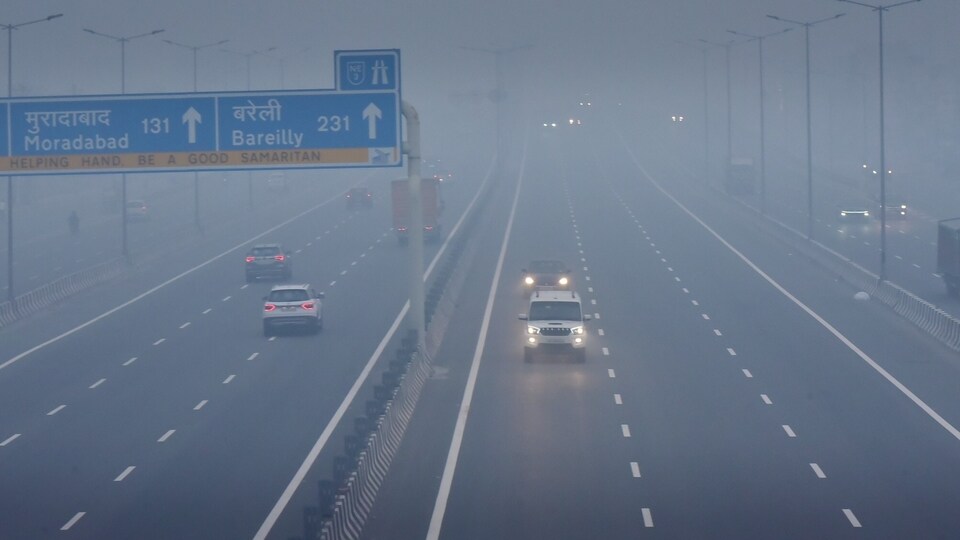
What is GRAP Stage 4 and what are its provisions?
The eight-point action plan under Stage 4 of GRAP entails stopping entry of trucks in Delhi except for LNG/CNG trucks and those involved in essential services; and banning Delhi-registered diesel operated Medium Goods Vehicles (MGVs) and Heavy Goods Vehicles (HGVs) in the national capital, except those carrying essential commodities/ providing essential services.
It also empowers authorities in Delhi and NCR to take a decision on discontinuing physical classes even for classes VI - IX, class XI and conduct classes in an online mode.
It also empowers state governments to take a decision regarding making people work from home.
Under this, state governments may also consider additional emergency measures like closure of colleges/ educational institutions non-emergency and closure commercial of activities, permitting running of vehicles on odd-even basis of registration numbers etc.
Under the final stage (Stage IV) of GRAP, only CNG, electric, and BS VI-compliant vehicles from other states are allowed to enter Delhi, with exemptions granted to those involved in essential services.
GRAP categorises actions into four stages: Stage I - 'poor' (AQI 201-300); Stage II - 'very poor' (AQI 301-400); Stage III - 'severe' (AQI 401-450); and Stage IV - 'severe plus' (AQI above 450).
On Sunday, Delhi's air quality index remained way above the 450-mark, prompting the authorities to take severe measures to mitigate the situation.
With inputs from agencies


