The tourism industry in Kodagu, a popular hill station near Bengaluru, has been impacted this year due to heavy rains and landslides, people familiar with the matter said.
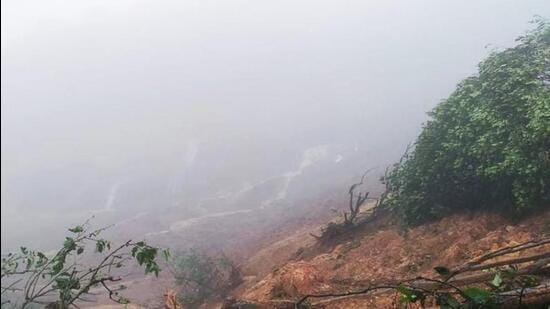
Thousands of tourists typically visit Kodagu during the monsoon season to enjoy its lush landscapes. However, the adverse weather conditions have caused a sharp decline in tourism, resulting in substantial financial losses for local businesses.
“At least 1,50,000 to 2,00,000 tourists visit the district every month. During weekends, Dasara, and summer holidays, the number increases to 10,000-15,000 per day. There are no current restrictions on entry to tourist spots, but tourist numbers are noticeably down this year, with a more than 50% drop in visitors,” a tourism department official in Madikeri told HT.
Kodagu, situated just 250 kilometres from Bengaluru, is a favourite getaway for residents of the city and other parts of Karnataka. In light of the heavy rains, the district administration has restricted access to popular tourist spots such as the Dubare Elephant Camp, Abbey Falls, and other attractions. Night traffic has also been banned on the Madikeri-Mangaluru national highway. These measures have forced tourists who had booked tickets and accommodations to cancel their plans.
Home stays, hotels, and lodges are among the worst affected by the Wayanad landslides. “I own a 14-room accommodation in my homestay, but in the past month, I haven’t even reached 10% of bookings,” Rohan Chinnappa, owner of Village World Homestay in Madikeri, said.
{{/usCountry}}Home stays, hotels, and lodges are among the worst affected by the Wayanad landslides. “I own a 14-room accommodation in my homestay, but in the past month, I haven’t even reached 10% of bookings,” Rohan Chinnappa, owner of Village World Homestay in Madikeri, said.
{{/usCountry}}“Every August, residents of the hilly regions face anxiety, especially after the 2018 and 2019 landslide tragedies that affected thousands in the district. This year, heavy rain lashed after the second half of July, but the fear in August remains,” he added.
In 2018, more than 18,000 people living in the hilly regions of Kodagu were affected by landslides and floods, resulting in over 20 fatalities and 1,000 families losing their homes.
Another hotel owner, N Bhaskar in Kushalnagar, said: “Bookings have been cancelled due to heavy rains and the temporary banning of entry to some tourist spots. Although the situation has improved and there is no ban on tourists now, many are still wary of visiting due to fears of landslides after seeing the Wayanad tragedy.”
“We’re getting just 25% of bookings this month, whereas last year, we had 60-70% occupancy. Tourists usually love to visit waterfalls during the rainy season. It will take another month for the tourism industry to return to normalcy,” he said.
In response to the recent landslide in Wayanad, the Kodagu district administration has proactively identified potential danger zones.
An extensive analysis by the Indian Geospatial Department has pinpointed 104 landslide-prone areas within the district. As a precautionary measure, the administration has issued notices to 2,995 families residing in these high-risk regions, urging them to relocate to safer areas.
The identification process was carried out based on comprehensive disaster reports and surveys. Both sensitive and ultra-sensitive locations were scrutinised before finalising the families that need to be relocated. To facilitate this large-scale undertaking, 14 relief centres have been established, accommodating more than 200 residents seeking refuge. Plans are also underway to set up an additional 95 relief centres across disaster-prone areas.
“We will take prompt action to evacuate residents from landslide-prone zones as per rain forecasts,” Kodagu deputy commissioner Venkat Raja said.