
 E-Paper



How Nithyananda’s ‘Kailasa’ members grabbed land of indigenous groups in Bolivia, report details
The information about the land deal with indigenous communities came to light after an investigation by the Bolivian newspaper El Deber.

 Prefer HTon Google


Members of fugitive self-styled godman Nithyananda's fictional country, Kailasa, were deported from Bolivia for allegedly attempting to seize land belonging to indigenous communities.
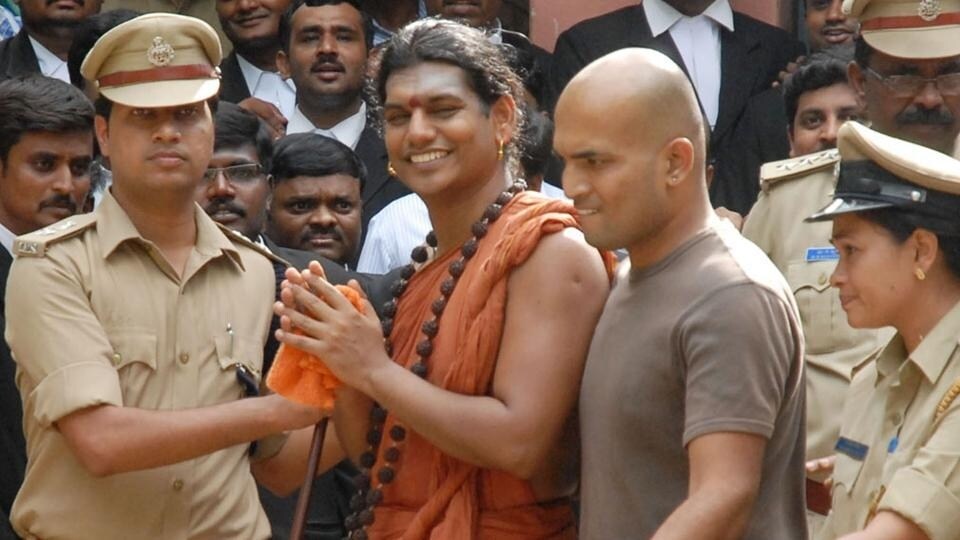
In a statement issued on March 25, officials in Bolivia said they had arrested 20 people associated with Kailasa. They were charged with “land trafficking” after they negotiated 1,000-year leases with Indigenous groups for swathes of the Amazon.
According to a New York Times report on Thursday, the agreements by Kailasa members were declared void and they were deported to their home countries, including India, the United States, Sweden and China.
“Bolivia does not maintain diplomatic relations with the alleged nation ‘United States of Kailasa,’” Bolivia’s ministry of foreign affairs told the New York Times.
How Kailasa members did the land deal
According to the report, Kailasa followers had arrived in Bolivia on tourist visas. Such was their clout that they even managed a photo with the country’s president Luis Arce.
The information about the land deal with indigenous communities came to light after an investigation by the Bolivian newspaper El Deber.
The newspaper revealed details about the leases that Nithyananda's fictional country members had signed with the groups in the Amazon.
Pedro Guasico, a leader of the Baure, one of the groups, told the New York Times that contact with the Kailasa emissaries started last year after they arrived to help with forest fires.
Also Read | What is ‘Kailasa’, fugitive godman Nithyananda's fake nation under probe?
The conversations subsequently turned to a lease of land – three times the size of New Delhi. According to the report, the Baure agreed to a 25-year deal that would supposedly have paid them nearly $200,000 annually.
However, when Kailasa members returned with a draft in English, the lease year was increased to 1,000 years and also included the use of air space and the extraction of natural resources.
“We made the mistake of listening to them,” Guasico told The New York Times. “They offered us that money as an annual bonus for conserving and protecting our territory, but it was completely false.”
Who is Nithyananda?
Self-styled godman Nithyananda is wanted in India on charges of kidnapping and confining children to make them collect donations from followers to run his ashram. His passport was cancelled in 2019 and his whereabouts remain unknown.
In 2023, Nithyananda’s self-declared “United States of Kailasa” had signed a “cultural partnership” with over 30 American cities.
In the same year, a Paraguayan government official was replaced after it was revealed that he had signed a memorandum of understanding with representatives of Kailasa, who also appear to have duped several local officials in the South American country.


