
 E-Paper



In Pics | Snapshots from Bastar: Life in India’s Maoist hotbed
A glimpse of life for the local, largely tribal population enmeshed in the bruised Indian heartland of Chhattisgarh’s Bastar division --a Maoist hotbed with rebels and security forces in combat for decades.

 Prefer HTon Google


Spread across 39,117 sq kms, more than 26 times the size of Delhi, Bastar division in Chhattisgarh comprising seven districts is a Maoist hotbed with rebels and security forces engaged in offensives since 1980 when the region was still a part of Madhya Pradesh. Chhattisgarh itself was carved out of MP on November 1, 2000.
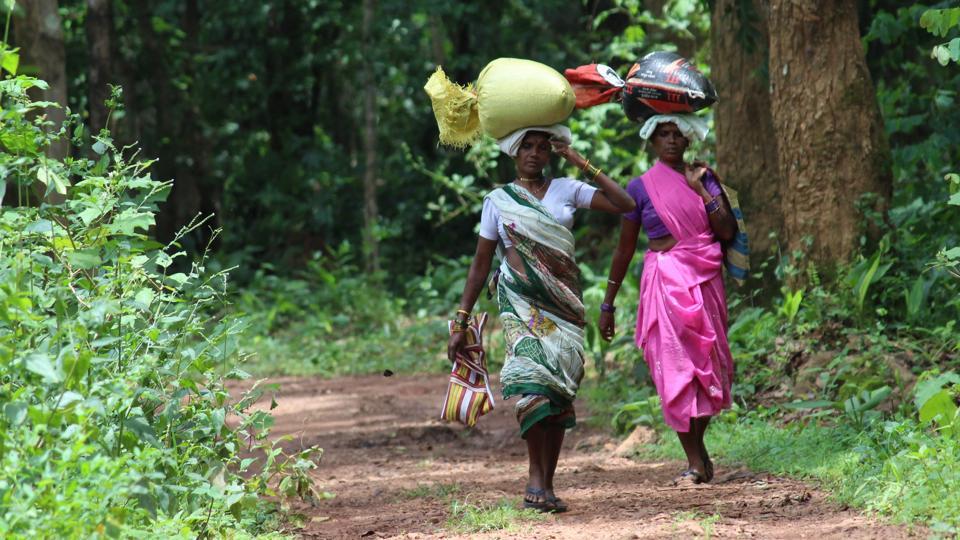
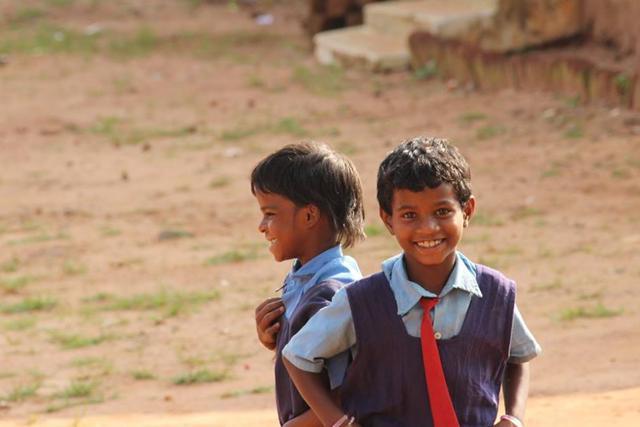
About 70% of Bastar’s population of around 1,413,199 is tribal according to the 2011 census. Gonds, Abhuj Marias and Bhatras are among the main tribes. Security forces reach out to locals for information but Maoists are quick to brand them as informants, at times after trial in their dreaded Jan Adalats (kangaroo courts) with punishment being death.
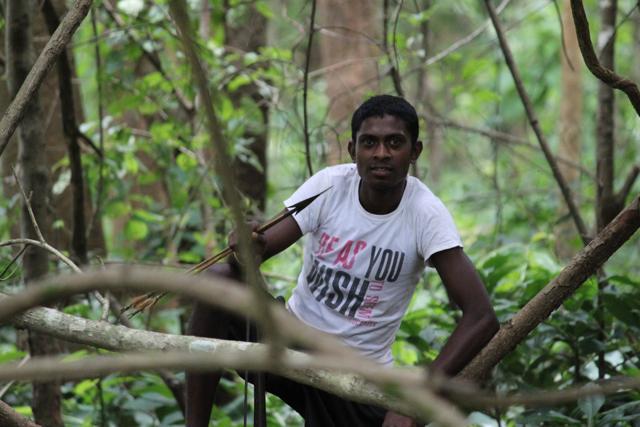
Gonds go out hunting for game in groups during festivals and share the meat, mostly from wildfowl. Animal rights activists oppose this ritual and say animals are also killed during the Parad festival, but Gonds insist they respect their forests and animals and hunt only for subsistence, not sport.
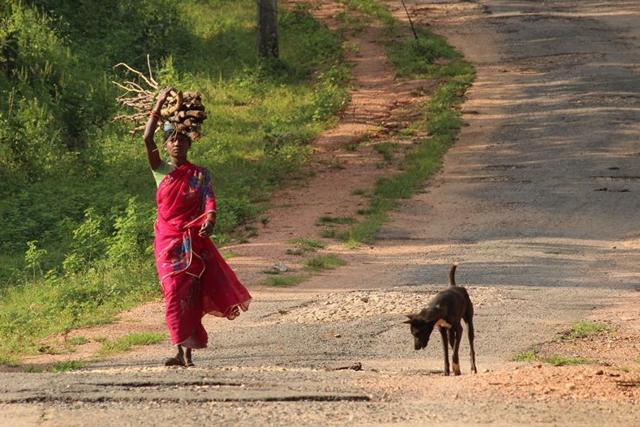
Weekly haats or rural markets are the lifeline of Bastar’s villagers, who rarely venture out to cities for larger purchases.The haat is about 8 km from their village and they cover it in foot once every week after harvest.
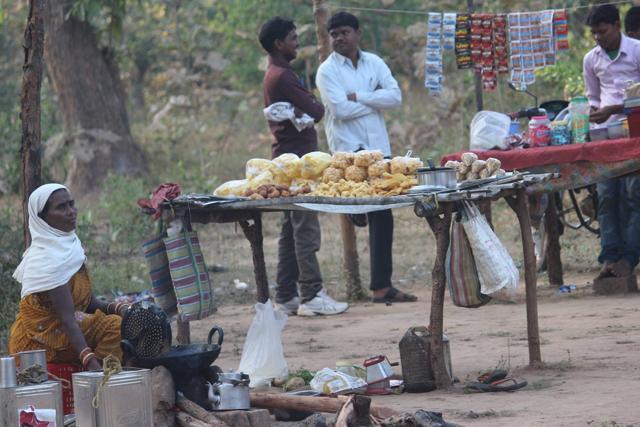
Many areas of Bastar are practically out of bounds for journalists from mainstream media organisations without the nod of authorities and help of security personnel. Even with official approval, having local contacts is the key.
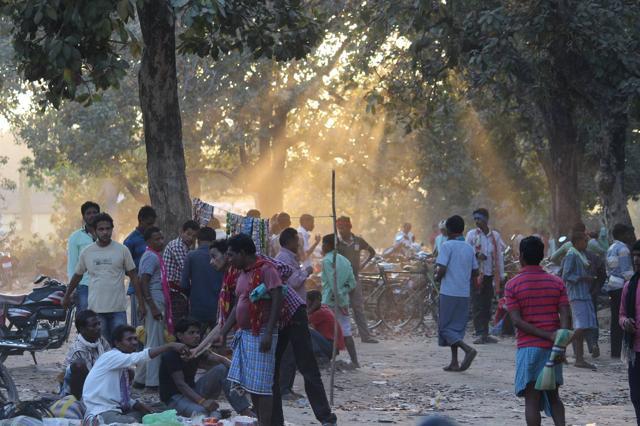
The marketplace has two claims to fame. First, it is the district’s biggest village bazaar. Second, it hosts the most raucous of cockfighting in the region. Cockfights, while illegal see roosters with sharp blades tied to their legs locked in duel, mostly to the death. Despite police crackdowns, villagers organise the fights and betting is prevalent.
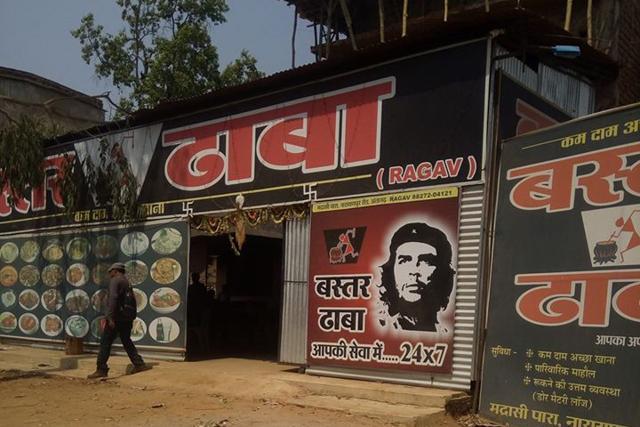
The eponymous Bastar Dhaba, sporting a mural of Marxist revolutionary Che Guevara, came up in Antahagarh block in Kanker district last year. There are no eateries after this one for people travelling to Narayanpur district, about 54 kms away. While the origins of the mural are unknown, but it is a talking point among people from cities who often stop by the eatery.
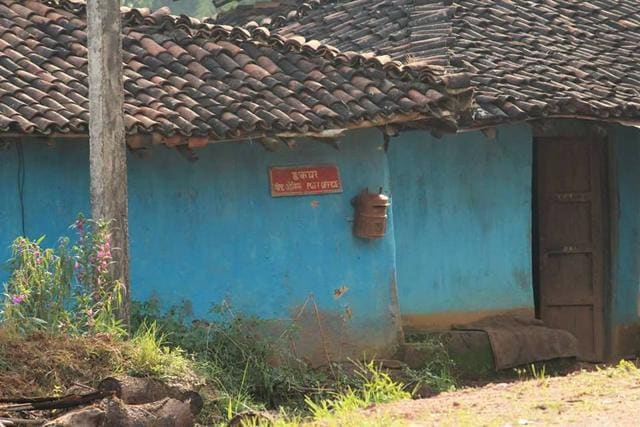
Maoists target concrete buildings in Bastar’s interiors to prevent security personnel from setting up camps. Moreover, most villagers are too poor to buy material for concrete structures and get them ferried. Locals rely on bamboo, wood, and thatch roofing.
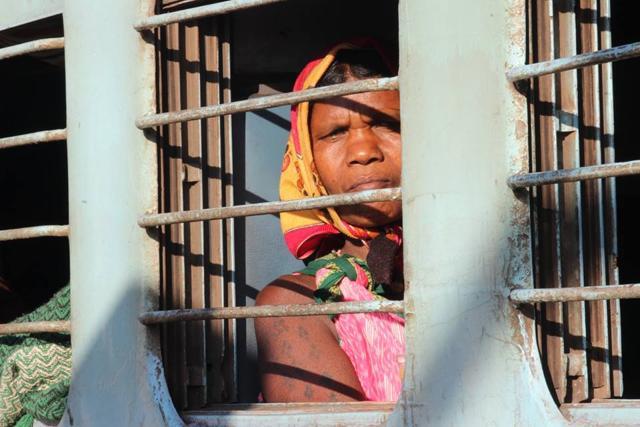
Mobile networks are non-existent or dodgy in many parts of Bastar making communication with the outside world spotty. A train operates daily and is the only one running through Maoist-hit Dantewada. According to railway officials, the stretch between Kirandul and Kumar Shadra, after Geedam, is highly Maoist-infested.


