E-Paper



Jaishankar speaks to US, Iran counterparts, says situation taken ‘very serious turn’
New Delhi, which has been put in a difficult position because of its good relations with both Tehran and Washington, has been watching the escalation with growing concern.

 Prefer HTon Google


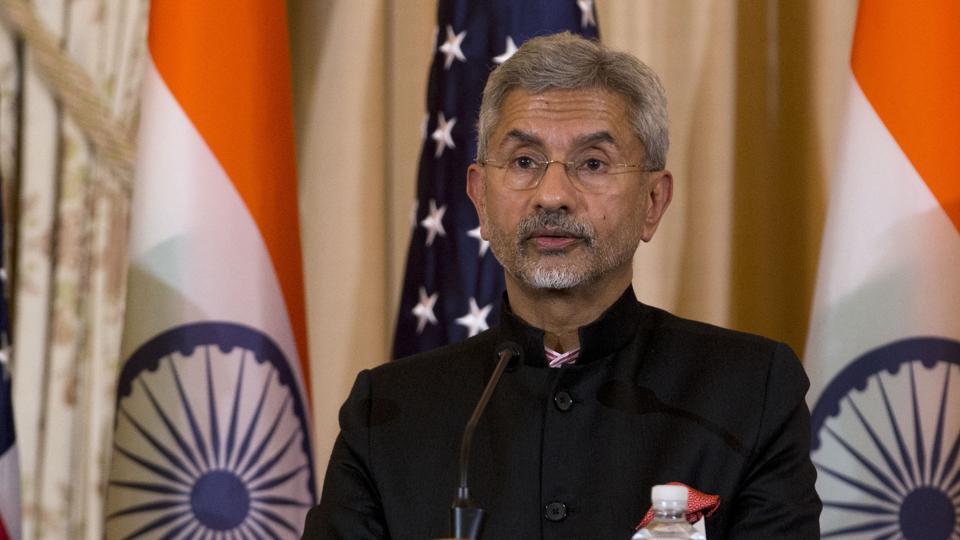
India on Sunday reached out to the US and Iran to discuss its concerns over the situation in West Asia following the killing of Iranian general Qassem Soleimani in an American airstrike, with external affairs minister S Jaishankar saying developments had taken a “very serious turn”.
US President Donald Trump has threatened to strike 52 specific Iranian targets after Iran’s Supreme Leader Ayatollah Ali Khamenei vowed “severe revenge” for the killing of Soleimani, commander of the al-Quds Force foreign operations arm of the Islamic Revolutionary Guard Corps (IRGC) on Friday.
New Delhi, which has been put in a difficult position because of its good relations with both Tehran and Washington, has been watching the escalation with growing concern. Any flare-up in the region could hit crude oil prices and supplies and also affect nearly 8 million Indian expatriates in West Asia.
Jaishankar worked the phones on Sunday, speaking to US secretary of state Mike Pompeo, Iran foreign minister Javad Zarif, foreign minister Abdullah bin Zayed Al Nahyan of the United Arab Emirates and Oman foreign minister Yusuf bin Alawi “to discuss ways to reduce the rising level of tension in the region”, said a person familiar with developments who declined to be named.
Following the first phone conversation with Zarif, Jaishankar said in a tweet: “Noted that developments have taken a very serious turn. India remains deeply concerned about the levels of tension. We agreed to remain in touch.”
In another tweet, Jaishankar said he and Pompeo discussed the “evolving situation in the Gulf region” and that he “highlighted India’s stakes and concerns”.
Jaishankar also tweeted he and Alawi discussed the “tense situation in the region” and reaffirmed their “shared interest in the stability and security of the Gulf”. Jaishankar said he exchanged views on “recent developments” with his UAE counterpart.
The person cited above said India is closely tracking developments in West Asia. “We are engaged with all important stakeholders on the prevailing situation given our deep interest in the stability and security of the region,” the person said.
Eyebrows had been raised in New Delhi over Pompeo contacting his Indian counterpart only on Sunday, especially since the US secretary of state had begun an outreach to key world capitals soon after Soleimani’s killing on Friday. Pompeo spoke to Pakistan Army chief Gen Qamar Bajwa on Friday, which was followed hours later by the US president’s decision to resume a military training programme for Islamabad that was suspended in 2018.
Over the past two days, Pompeo has spoken to Israeli Premier Benjamin Netanyahu, Bahrain Crown Prince Salman bin Hamad, UAE Crown Prince Mohamed bin Zayed, Saudi Crown Mohammed bin Salman Prince, Chinese Politburo member Yang Jiechi, Afghan President Ashraf Ghani, and his Turkish, Russian, French, German and British counterparts on countering Iran’s “malign influence and threats” and to seek support.
Meanwhile, a statement from the Iranian embassy here described the US strike that killed Soleimani as a “terrorist criminal act”. It said Soleimani was a “prominent champion” of the fight against terror in the region, and he was acting as a military advisor at the invitation of the governments of Syria and Iraq to help their armed forces combat groups such as Daesh, Al-Nusra Front, and al-Qaeda.
“All the responsibilities of this criminal act and escalation of tensions in the region rest with the terrorist US government which has to bear all the repercussions of this act,” the statement said. Despite Iran’s strategic restraint, the country considers safeguarding its national and security interests a legitimate right and it “shall take appropriate retaliatory action in the suitable time and place”, the statement added.