E-Paper



India in touch with ‘various stakeholders’ in Afghanistan: MEA
The move marks a significant shift from India’s long-standing position of not engaging with the Afghan Taliban and comes at a time when key world powers are veering round to the position that the Taliban will play some part in any future dispensation in Kabul.

 Prefer HTon Google


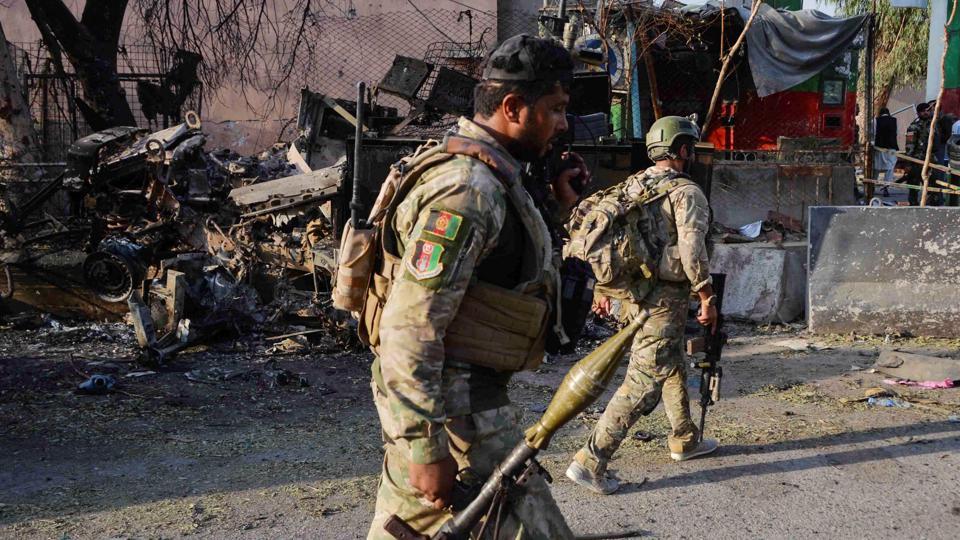
India on Thursday said it is in touch with “various stakeholders” in Afghanistan in order to work for the long-term goal of development and reconstruction of the war-torn country.
External affairs ministry spokesperson Arindam Bagchi was responding to questions at a weekly news briefing on Hindustan Times’ report on India opening channels of communication with Taliban factions and leaders for the first time, and whether there had been a shift in India’s policy on Afghanistan.
Bagchi declined to comment on the HT report but said: “We are in touch with various stakeholders...in pursuance of our long-term commitment towards development and reconstruction of Afghanistan.”
Describing India’s relations with Afghanistan as historical and multifaceted, he added: “We have been engaging with Afghans across ethnicities. As a friendly neighbour, we are concerned about peace and security in Afghanistan and the region. We support all peace initiatives and have been engaged with several stakeholders, including regional countries.”
Bagchi noted that external affairs minister S Jaishankar had virtually participated in the inaugural ceremony for the intra-Afghan talks in Doha last September, while a senior official delegation had attended the same talks.
The intra-Afghan talks marked the first time that Indian officials were present in the same venue as a Taliban delegation.
Bagchi further said there were “visits by multiple Afghan leaders to India” in the recent past, and the Indian side had made official visits to Kabul.
HT reported on Tuesday that India had for the first time opened channels of communication with Afghan Taliban factions and leaders, including Mullah Abdul Ghani Baradar, against the backdrop of the rapid drawdown of US forces from Afghanistan.
The move marks a significant shift from India’s long-standing position of not engaging with the Afghan Taliban and comes at a time when key world powers are veering round to the position that the Taliban will play some part in any future dispensation in Kabul.
The external affairs pointperson for Pakistan, Afghanistan and Iran, joint secretary JP Singh, visited Kabul last month for meetings with the Afghan leadership. National Security Adviser Ajit Doval made a two-day visit to Kabul in January, becoming the first senior Indian official to travel to Afghanistan since the peace process began last year.