E-Paper



India makes exemption to rice export ban for Singapore
India imposed export ban on July 20 to mitigate cereal inflation amidst fears of price pressures due to floods and torrential rains.

 Prefer HTon Google


New Delhi: India on Tuesday announced an exemption to a month-old ban on export of non-basmati white rice to supply the commodity to Singapore in view of the special relationship between the two countries.
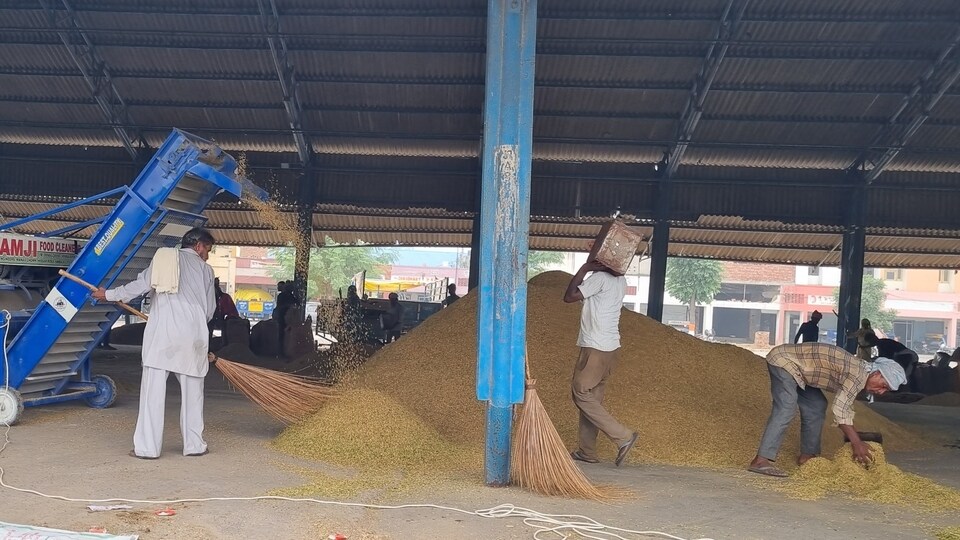
The export ban had been imposed on July 20 by India, the world’s top exporter of rice, to cool cereal inflation in the wake of fears of price pressures due to floods and torrential rains in nearly two-thirds of the country.
However, the official notification regarding the ban said it could be waived in case of friendly countries making requests for rice for domestic consumption needs. Announcing the exemption, external affairs ministry spokesperson Arindam Bagchi said the decision was prompted by the “very close strategic partnership” between India and Singapore.
He said, “In view of this special relationship, India has decided to allow export of rice to meet the food security requirements of Singapore. Formal orders in this regard will be issued shortly.”
The close strategic partnership between India and Singapore is “characterised by shared interests, close economic ties and strong people-to-people connect”, Bagchi said. There was no official word on the quantum of rice that will be supplied to Singapore, which is one of India’s closest partners within the Association of Southeast Asian Nations (Asean). People familiar with the matter said food security has emerged as one of the new focus areas of cooperation between India and Singapore.
A delay in the onset of the monsoon and widespread flooding in July due to heavier-than-anticipated rainfall hit planting of rice or destroyed saplings in many rice-producing states, leading to lower acreage.
“In order to ensure adequate availability of non-basmati white rice in the Indian market and to allay the rise in prices in the domestic market, the government of India has amended the export policy of above variety,” the government notification had said regarding the ban. However, exports of par-boiled rice will continue to be allowed.
India’s exports make up more than 40% of global rice shipments. In 2021-22, India exported nearly 22 million tonnes of rice, about a sixth of its total output.