
 E-Paper



India, Pakistan plan to exchange elderly, mentally ill and female prisoners
Also under consideration is the revival of Indian and Pakistani joint judicial committees on prisoners that were established in 2008 but eventually became defunct.


India and Pakistan are exploring the possibility of breaking the ice through a humanitarian initiative involving the exchange of elderly, mentally challenged and female prisoners.
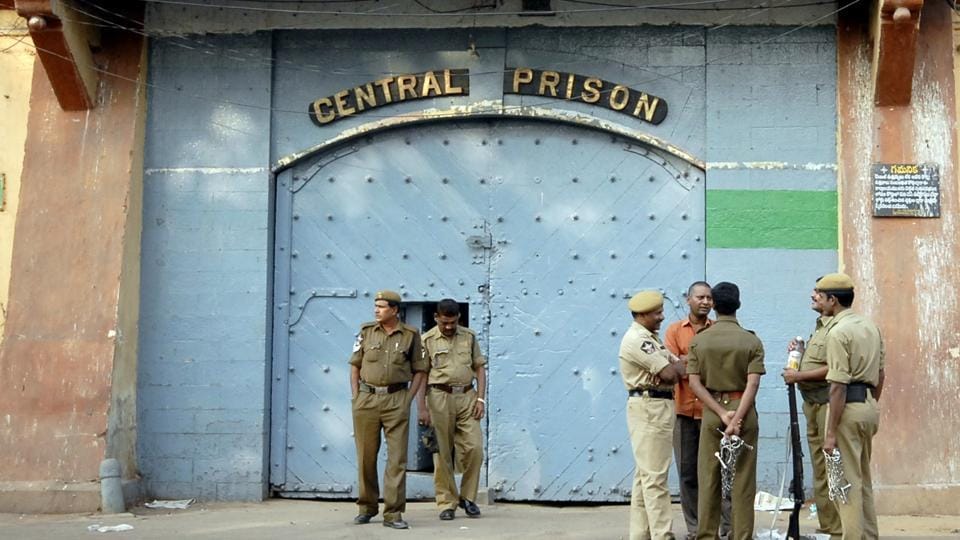
Officials familiar with the development said even as the two neighbours engaged in a war of words on terrorism and ceasefire violations, officials in New Delhi recently handed a list of Pakistani prisoners fulfilling the aforementioned criteria to their Islamabad counterparts.
Also under consideration is the revival of Indian and Pakistani joint judicial committees on prisoners that were established in 2008 but eventually became defunct. But officials refused to accord any time frame for these potential initiatives, given the “fragile” nature of bilateral ties.
The issue of the elderly, mentally challenged and female prisoners languishing in jails was first discussed when Pakistan envoy Sohail Mahmood met external affairs minister Sushma Swaraj in October 2017. The issue cropped up again in a subsequent meeting between the two.
“There was this feeling that while there is no change in the stated positions on key issues and no possibility of a structured dialogue process is likely to begin anytime soon, the two sides could look at making progress on possible humanitarian issues,” said an official. He said the issue of exchanging certain prisoners languishing in jail long after serving their term is something both sides can work on.
However, another Indian official said it was too early to get one’s hopes high. “Discussing an issue and having a concrete proposal are two very different things. When it comes to the India-Pakistan relationship, nothing happens until it has happened,” he quipped.
The possibility of a structured dialogue on Pakistan-sponsored terrorism and ceasefire violations remains dim, with India maintaining that “talks and terror cannot go together”. However, channels of communication between the national security advisors of the two countries remain open.
Although both the sides occasionally release prisoners, including fishermen who inadvertently trespass into foreign waters, this issue also begs a permanent and systemic solution. According to data provided by the Centre, as many as 341 Indian fishermen and 63 Indian civilian prisoners continue to languish in Pakistan’s custody. However, as per the lists exchanged between the two governments on January 1, Pakistan claims custody of just 253 fishermen and 58 civilian prisoners in its jails.
“The prisoner issue remains a grey area. The Indian and Pakistani joint judicial committees used to visit prisons on both sides of the border, but they are defunct now,” another official said.


