
 E-Paper



How Predator drones will neutralise the Chinese threat
The MQ9B drone will not only enhance capability of Indian Navy, but also add more teeth to the Indian Army on borders and better battlefield dominance to IAF

 Prefer HTon Google


India is set to get the game-changing MQ9B predator drones as the United States has approved sale of 31 of the deadly UAVs to New Delhi. The deal was announced during Prime Minister Narendra Modi’s visit to the United States in June last year. The US. Congress on Thursday formally notified the possible sale of 31 MQ-9B high altitude long endurance armed Unmanned Aerial Vehicles (UAVs) to India at a cost of $3.99 billion.
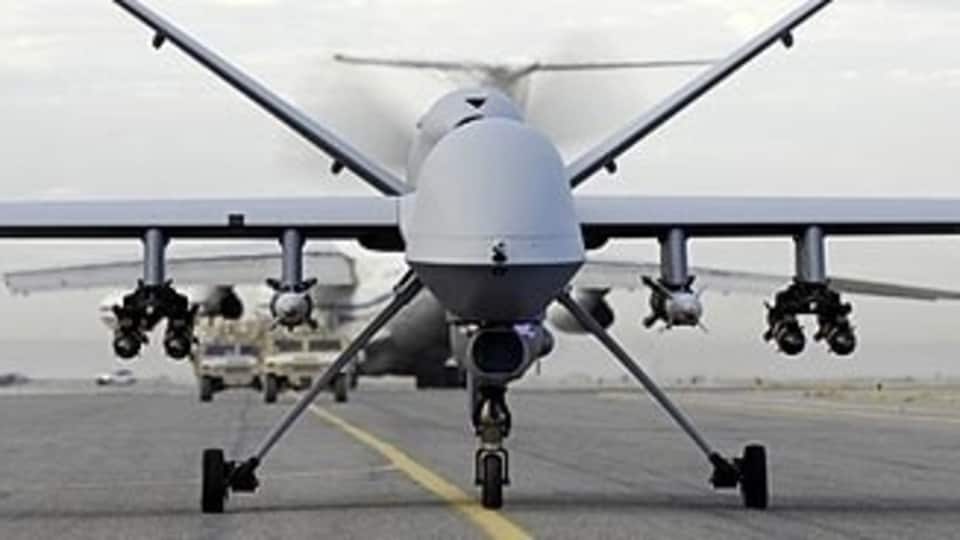
What does this MQ9B deal mean for India?
The draft letter of acceptance for the deal worth $3.99 billion (approximately ₹32,000 crore) has been put before the US Congress and will remain there for 30 days. Following this, the final letter of acceptance will be sent to India. When a government-to-government foreign military sale without involvement of any middleman takes place, the Indian government sends a letter of request to the US.
The letter is examined and the US will respond with a letter of acceptance. Once that happens, the deal will be crystallised. Since there are no negotiations due to it being a government-to-government deal, the deliveries will start as per schedule. This deal is very critical to Indian national security. The Predator MQ9B is a high capable, high altitude endurance drone. It can touch a height of 50,000 feet, operate at 27,000 feet and is equipped with state-of-the art missiles and surveillance suites.
It will not only enhance the capability of Indian Navy, but also add more teeth to the Indian Army and a better battlefield transparency to the Indian Air Force. The deal is not only aimed at sea domain, but will also have repercussions along the Line of Actual Control (LAC) with China as well as the Line of Control (LOC) with Pakistan.
ALSO READ: Why Indian Predator drone will be a game-changer against adversaries
How will these drones be utilised along the LAC?
These drones have multiple capabilities. They will give you a clear battlefield transparency along the LAC. You will be able to know what are Chinese PLA's capabilities across the LAC, that includes aircraft, bunkers, rockets and missile systems.
The Predator drone will also act as a deterrent in case there is any aggressive movement by the PLA towards the Indian side. It has the capability to take on the challenge by Chinese or Pakistanis at any height or ground.
At present, India has two Sky Guardian drones on lease from General Atomics and are based at INS Rajali in Tamil Nadu. When the Chinese transgression took place in East Ladakh, India used these drones for surveillance capabilities. The images captured by the drones were absolutely fantastic.
The drones which India is buying not only have surveillance capabilities but are also armed. These are Predator drones and the MQ9B is equipped with four Hellfire missiles that have a range of 11 kilometres. It is also equipped with at least two laser-guided bombs which have a range of 150 kilometres using a glide vehicle.
The Chinese already have an armed drone called Wing Loong 1 and 2. The Chinese have supplied or are planning to supply 50 armed drones to Pakistan. This MQ9B drone is a next-level capability and India requires something to match what the Chinese or Pakistanis can throw us at.


