
 E-Paper



India waives customs duty on key petrochemicals amid US–Iran conflict. Full list
The move comes amid a war which has disrupted global supply chains, tightened shipping routes, and pushed up input costs for energy-linked industries worldwide.

 Prefer HTon Google


The finance ministry has announced a full customs duty exemption on a wide range of critical petrochemical products to shield the domestic industry amid the raging US-Iran war. The exemptions will stay in place till June 30, 2026, the ministry said in a statement.
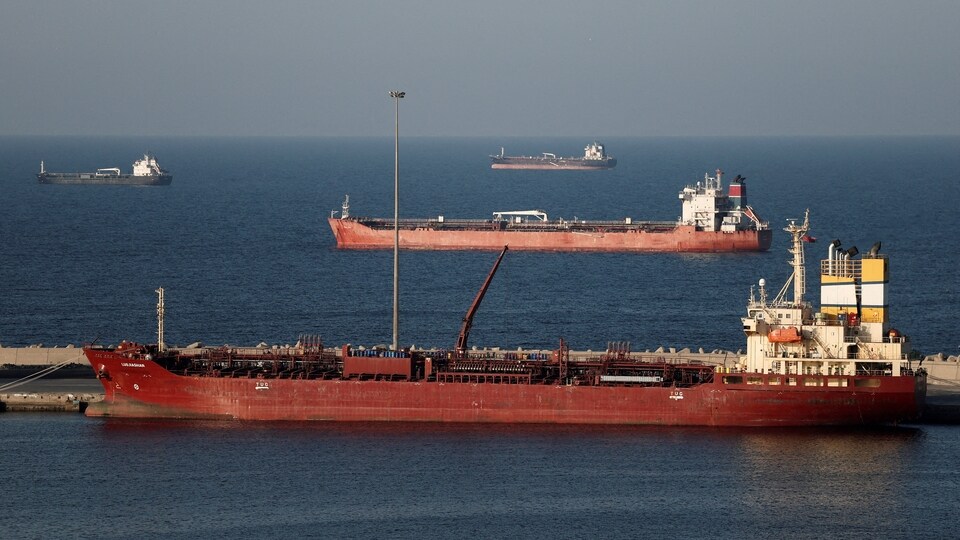
The move comes amid a war which has disrupted global supply chains, tightened shipping routes, and pushed up input costs for energy-linked industries worldwide.
Relief amid global turbulence
According to the Finance Ministry, the exemption is a temporary, targeted intervention to ensure uninterrupted availability of key petrochemical inputs and to contain inflationary pressures across sectors.
The West Asia crisis - fuelled by rising tensions between the United States and Iran, threats to critical shipping lanes like the Strait of Hormuz, and sporadic strikes on energy infrastructure - has already begun impacting global trade flows. India, which relies heavily on imported petrochemical feedstock, is particularly vulnerable to such disruptions.
The ministry said the move will support industries such as plastics, packaging, textiles, pharmaceuticals, chemicals, and automotive manufacturing, while also easing the burden on consumers.
Full list of items that will get cheaper
The exemption covers a broad spectrum of petrochemical feedstocks, intermediates, and polymers. Key items include:
Basic chemicals and intermediates
- Anhydrous ammonia
- Toluene
- Styrene
- Dichloromethane (methylene chloride)
- Vinyl chloride monomer
- Methanol (methyl alcohol)
- Isopropyl alcohol
- Monoethylene Glycol (MEG)
- Phenol
- Acetic acid
- Vinyl acetate monomer
- Purified Terephthalic Acid (PTA)
- Ethylenediamine
- Diethanolamine & Monoethanolamine
- Toluene di-isocyanate
- Ammonium nitrate
- Linear alkylbenzenes
Major polymers & plastics
- Polymers of ethylene (including EVA)
- Polypropylene
- Polystyrene
- Styrene-acrylonitrile (SAN)
- Acrylonitrile-butadiene-styrene (ABS)
- Polyvinyl Chloride (PVC)
- Polytetrafluoroethylene (PTFE)
- Polyvinyl acetate
- Polyvinyl alcohol
- Poly (methyl methacrylate)
- Polyoxymethylene (POM/acetal)
Advanced materials & engineering plastics
- Polyols
- Polyether Ether Ketone (PEEK)
- Epoxy resins
Polycarbonates
- Alkyd resins
- Polyethylene terephthalate (PET) chips
- Unsaturated polyester resins
- Polybutylene terephthalate
- Polyurethanes
- Polyphenylene sulphide (PPS)
Industrial resins and rubber
- Formaldehyde and related resins (urea, melamine, phenol formaldehyde)
- Polybutadiene
- Styrene-butadiene rubber
Why this matters
Petrochemicals are core industrial inputs, feeding into everything from plastic packaging and textiles to car parts, electronics, medicines, and fertilizers. Any spike in their cost quickly cascades into higher prices across the economy.
By eliminating customs duties, the government aims to:
- Lower input costs for manufacturers
- Prevent supply shortages
- Stabilise prices of everyday goods
- Support export competitiveness
- War-driven supply risks
The decision reflects growing concern over the economic fallout of the US–Iran conflict, which has:
- Increased volatility in crude oil and petrochemical markets
- Raised insurance and freight costs for shipments through West Asia
- Triggered fears of chokepoints like the Strait of Hormuz being disrupted
The exemption will remain in place until June 30, 2026, suggesting the government expects continued uncertainty in global markets in the near term.


