E-Paper



India warns nations against accepting China’s aid
Jaishankar brushed aside a suggestion that India’s ties with the West had improved because of the differences with China, saying India’s relations with the West were “quite decent” even before June 2020 – when Indian and Chinese forces were involved in a brutal clash that left 20 Indian troops and at least four Chinese soldiers dead.

 Prefer HTon Google


China’s violation of agreements on not massing forces at the Line of Actual Control (LAC) is the reason why its relations with India are going through a difficult phase, external affairs minister S Jaishankar has said, while warning nations not to get sucked into a debt trap by accepting Chinese aid.
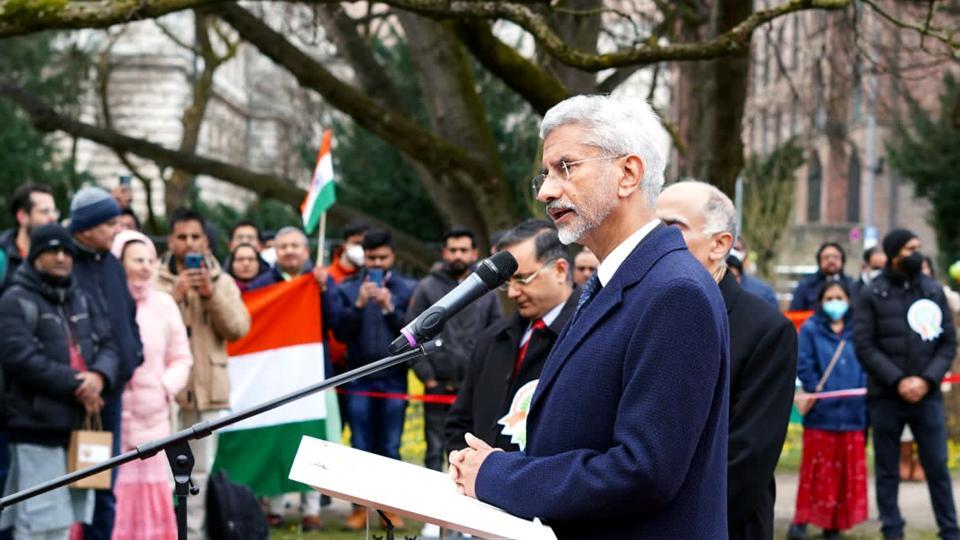
Jaishankar made the remarks while participating in a discussion on the theme “Regional order and security in the Indo-Pacific” at the Munich Security Conference on Saturday. He was speaking alongside his Australian and Japanese counterparts, Marise Payne and Yoshimasa Hayashi.
“It’s a problem we’re having with China. And the problem is this – that for 45 years, there was peace, there was stable border management, there were no military casualties on the border from 1975,” he said in response to a question on India’s troubled relations with China.
“That changed, because we had agreements with China not to bring military forces [to] the Line of Actual Control and the Chinese violated those agreements. Now, the state of the border will determine the state of the relationship, that’s natural.
So, obviously relations with China right now are going through a very difficult phase,” he said, referring to the military standoff that began in May 2020.
Jaishankar brushed aside a suggestion that India’s ties with the West had improved because of the differences with China, saying India’s relations with the West were “quite decent” even before June 2020 – when Indian and Chinese forces were involved in a brutal clash that left 20 Indian troops and at least four Chinese soldiers dead.
He also contended the situation on the LAC couldn’t be compared to the Ukraine crisis while responding to a question on India speaking out against China’s actions on the LAC while abstaining from voting on the Ukraine issue at the UN Security Council. The two are “distinct challenges”, he added.
Bangladesh foreign minister AK Abdul Momen, who was in the audience, raised the issue of his country requiring funds for infrastructure projects to meet the aspirations of the people, and China offering a “basket of money” and aggressive and affordable proposals while aid from other partners came with a lot of strings.
Jaishankar responded by cautioning countries against getting caught in a debt trap while accepting China’s assistance. “International relations are competitive, every country will look for opportunities and see what it can do but while doing so, it’s in their own interest to be prudent about what they’re getting into,” he said.
“We have seen countries, including in our region, being saddled with large debts. We have seen projects which are commercially unsustainable – airports where an aircraft doesn’t come, harbours where a ship doesn’t come. I think people would be justified in asking themselves what am I getting into,” he said.
In the case of unsustainable projects, “debt becomes equity and that becomes something else”, he warned.