
 E-Paper



Indian Army takes a leaf out of Chinese warfare, deploys tunnel defences in Ladakh
On August 29-30, the Indian Army troops along with Special Frontier Force (SFF) occupied positions on the Line of Control (LoC) south of Pangong Tso lake on the Kailash Range ridgeline for the first since 1962. Indian Army has already dismissed the PLA energy weapon report as fake news.

 Prefer HTon Google


While the People’s Liberation Army (PLA) propaganda machinery has reported frying of Indian troops by futuristic energy weapons on August 29 in East Ladakh, the Indian Army has dug into Chinese warfare manuals and deployed “tunnel defences” to pre-empt any further transgressions from the adversary.
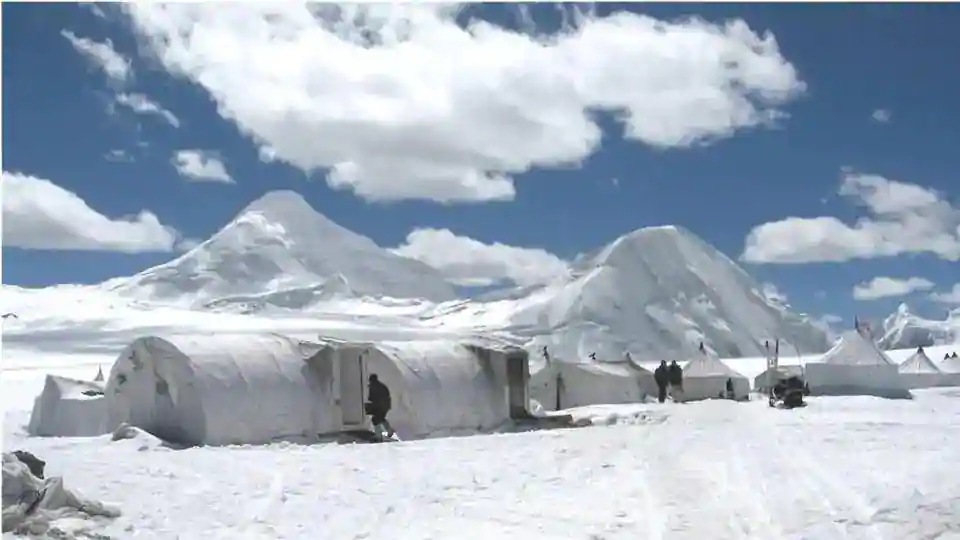
On August 29-30, the Indian Army troops along with Special Frontier Force (SFF) occupied positions on the Line of Control (LoC) south of Pangong Tso lake on the Kailash Range ridgeline for the first time since 1962. Indian Army has already dismissed the PLA energy weapon report as fake news.
Also Read: Indian troops hold positions at LAC in Ladakh braving PLA and polar temperatures
The Chinese successfully used tunnel defences against Japanese in Second Sino-Japanese war, the Vietcong used the same tactics at against Americans in the guerrilla war and North Korean in Korean war in 1960s. The PLA has built tunnel shelters to house aircraft at Lhasa air base and underground pens to house nuclear ballistic missile submarines in Hainan Islands in South China Sea.
Also Watch | Indian Army sets up modern habitats for troops deployed in Ladakh
According to senior military commanders, the Indian Army has deployed large diameter Hume reinforced concrete pipes in dug in tunnels to shelter the troops from enemy attack and surprise the adversary in the case of a worst -case scenario. The reinforced concrete pipes have diameter from six to eight feet, which allows troops to easily move underground from one location to other without being exposed to enemy fire. The other benefit of tunnels is that they can be heated and shelter the troops from polar temperatures and snow blizzards.
Also Read: China is fortifying defences across Ladakh border, not prepping to disengage
While the ninth round of India-China military dialogue to disengage and de-escalate from the friction points is expected to take place soon, the Indian Army has settled down to defend the LAC from any further transgression by the PLA. The Indian security planners are quite clear that the restoration of status quo ante has to begin with PLA, which started the entire build-up by transgressing on the north banks of Pangong Tso early May 2020. The PLA then followed the Pangong Tso aggression by making similar moves in Galwan river valley and Gogra-Hot Springs area near Kongka La.
The Indian Army is not only defending the Ladakh LAC but also keeping a close watch on PLA moves in Central, Sikkim and Eastern sectors with the Chinese army continuing to build military infrastructure in Tibet.
The Indian diplomacy is also in no hurry to negotiate an early withdrawal of PLA from east Ladakh and believes that restoration of status quo ante is the only just solution even if it takes a long time. “The PLA always like a staring match waiting for adversary to blink. But this aggressive tactic will not succeed with India,” said a senior official.


