
 E-Paper



Indian Army to train newly recruited Assam police commandos
The Assam government has started five new commando battalions in the state that will focus on urban operations, law and order, hijackings, raids in hideouts of terrorists, jungle warfare etc


The Indian Army has agreed to give training to the newly recruited commandos of the Assam police who will be part of the five new battalions in the state, director general of police (DGP) Bhaskar Jyoti Mahanta said on Sunday.
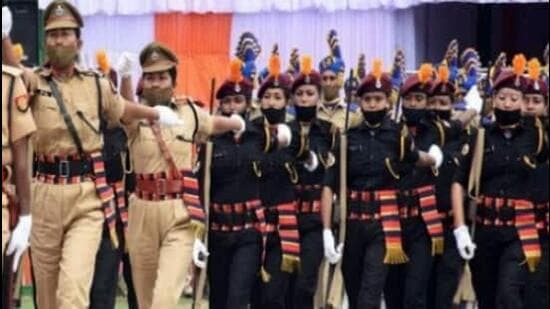
A total of 5,200 candidates, including 707 women, have been selected to fill vacancies under six different heads in the state police department. Of them, 278 have been selected as sub-inspectors and 2,442 as constables for the five commando battalions. In May this year, 9,005 personnel were recruited in various departments of the police force.
“As all our existing training centres are occupied at present in training new recruits, we had talks with the Indian Army and agreed on providing our new commandos training in army facilities. Army instructors along with our own personnel would provide training to the new commandos,” the DGP said.
Mahanta said that an Indian Army brigadier, who retired recently, has already been appointed as a special deputy inspector general (DIG) in the state police to help with scientific training of the new commandos.
“The Assam government had decided to start five new commando battalions for the state police. The recruitment process for these battalions was more stringent than for those selected for other departments,” said Mahanta.
“A psychometric test of the candidates was also done by representatives from Army and Central Armed Police Force (CAPF) to find out if they are eligible to be recruited as commandos,” he added.
Mahanta said that land has already been selected to set up the five new commando battalions. The state police already have 33 regular battalions and training of newly recruited personnel is taking place at present.
Two of the new commando battalions would be focussed on urban operations and law and order and three others would be regular commando battalions with focus on hijackings, raids in hideouts of terrorists, jungle warfare etc.
“The new recruits have been selected purely on merit without fear or favour and chief minister Himanta Biswa Sarma had been regularly reviewing it. Since they have been selected through a clean process, I am hopeful they will provide efficient service and help improve image of the force,” Mahanta said.



