
 E-Paper



IndiGo did not flag troubles during Dec 1 meet: Minister
The crisis has affected at least 4,600 flights and millions of passengers since December 2

 Prefer HTon Google


IndiGo did not flag any trouble with adapting to the revised crew fatigue rules during a meeting with the civil aviation regulator on December 1, a day before operational problems at India’s biggest airline became apparent, civil aviation minister Ram Mohan Naidu said on Monday.
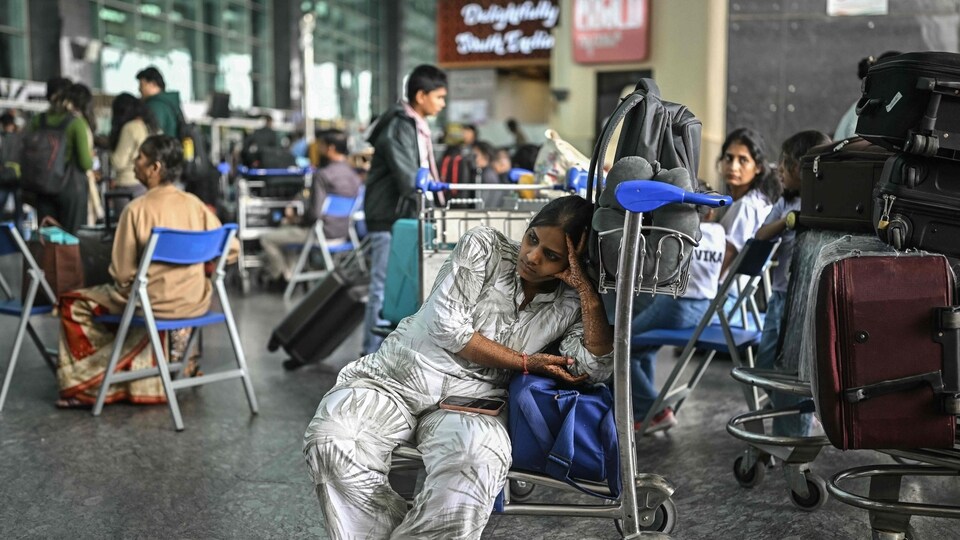
The crisis, which has affected at least 4,600 flights and millions of passengers since December 2, was caused by IndiGo’s crew rostering system and internal planning, he said. IndiGo on Monday claimed a “compounding effect of multiple factors” was responsible for the chaos.
“On December 1, we held a meeting with IndiGo regarding FDTL (Flight Duty Time Limitations) when they sought clarifications, and we provided them. They did not flag any issues then, and everything was running normally,” Naidu told Rajya Sabha, on a day IndiGo cancelled more than 450 flights and delayed hundreds more as the airline struggled to bring its operations back on track.
In an interview with HT, he said DGCA met with airlines, but IndiGo did not “raise any issue with them nor did they inform them about any trouble they were facing, if any.”
It was not immediately clear what the specifics of the meeting on December 1 were. That meet was held exactly a month after the revised FDTL rostering norms came into effect. A day later, on December 2, IndiGo cancelled over 100 flights, leaving thousands stranded.
Naidu said “we took control of the situation at airports,” on December 3.
But between then and December 8, the airline cancelled around 4,500 flights and delayed many more. People scrambled to reschedule their flights, struggled to get refunds and find their luggage as the airline stonewalled passengers and offered little transparency.
On December 5, DGCA exempted Indigo’s Airbus A320 fleet from certain rules on pilot duty hours at night, after a representation from the airline a day earlier. It also allowed IndiGo to call back pilots deputed elsewhere for flying duties. Separately, it withdrew a rule that prevented airlines from counting pilot leave as weekly rest to meet flying duty norms. Still, the disruptions continued over the weekend. The move was criticised by pilots and experts who said that this would compromise safety, which was the primary motivation for such rules. The regulator insisted the exemption was granted “solely to facilitate operational stabilisation and in no way amounts to dilution of safety requirements”.

IndiGo, in a statement on Monday, said it had issued refunds worth ₹827 crore for bookings made between November 21 and December 7, for 955,591 PNRs.
Between December 1 and 7, 586,705 PNRs were cancelled, and refunds worth ₹569.65 have been issued.
It also said it had processed refunds for all bookings made till December 15.
The airline on Monday said it had returned 4,500 bags and aimed to return the rest in 36 hours. The airline replied to a show cause notice from DGCA blaming the mass cancellations on a “compounding effect of multiple factors” – minor technical glitches, schedule changes in the winter season, adverse weather, increased congestion and the updated rostering norms. DGCA, in a release, said the airline sought more time for a detailed response to the show cause notice. The minister warned of “very, very strict action” that would act as an example for the industry. “We are doing an inquiry, and we will take very, very strict action not only for this situation but also as an example. We will set an example for all the airlines. If there is any miscompliance, any non-compliance or non-adherence for any single person, any entity or any organisation or any operator functioning in this civil aviation industry, we will take very, very strict action so that we set an example in the industry,” he said.
To be sure, IndiGo is by far the largest operator in India’s skies. It has captured more than 65% of India’s domestic market – the Air India group, with 25.7% is a distant second – and operates 2,200 flights to over 90 domestic and 45 international destinations Naidu addressed IndiGo’s virtual monopoly on Indian aviation. He admitted that India has two major airlines, but stressed on the need for more.
“We are talking about two airlines, but the capacity, the demand that India is creating today, we need to have five big airlines,” he said. “The collapse of Jet Airways and GoAir led to a total of 280 aircraft exiting India’s fleet register, leaving India at the mercy of a monolith — IndiGo, a recovering Air India and whatever was left of SpiceJet... India today desperately needs a strong third - an airline that can emerge with a minimum of 150 aircraft to not fight for competition, but create balance and maturity with India’s aviation market,” said aviation expert Mark D Martin of Martin Consulting.


