E-Paper



Jindal Poly challenges NCLT class action suit order
On February 5, the NCLT’s Delhi bench admitted the class action suit filed by minority shareholders of Jindal Poly Films.

 Prefer HTon Google


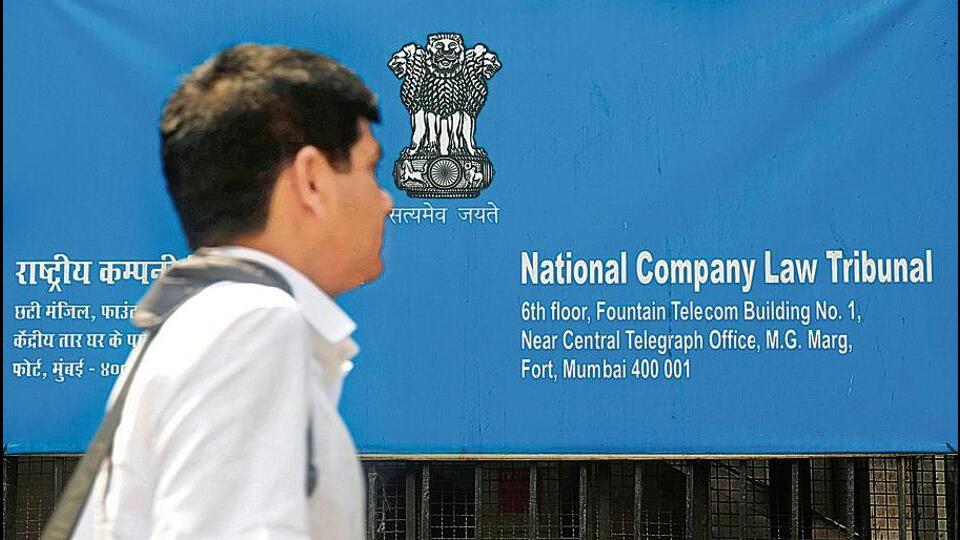
A day after the National Company Law Tribunal (NCLT) admitted a rare class action lawsuit against manufacturing major Jindal Poly Films, the company on Friday moved the National Company Law Appellate Tribunal (NCLAT) challenging the order.
Senior counsel Abhishek Manu Singhvi, appearing for Jindal Poly Films, sought an urgent hearing of the appeal before an NCLAT bench headed by the chairperson, justice Ashok Bhushan, and technical member Barun Mitra.
Singhvi told the appellate tribunal that the matter involved a rare class action suit initiated under Section 245 of the Companies Act by minority shareholders of a prominent listed company. He submitted that the NCLT’s order admitting the suit had already resulted in a fall in the company’s share price and had impacted “45,000 shareholders”.
Taking note of the submissions, the NCLAT agreed to hear Jindal Poly Films’ appeal on Monday.
On February 5, the NCLT’s Delhi bench, headed by its president, justice Ramalingam Sudhakar, and technical member Ravindra Chaturvedi, admitted the class action suit filed by minority shareholders of Jindal Poly Films. In its order, the tribunal held that the plea filed by shareholders holding 4.99% of the company’s total share capital met the statutory requirements to proceed under company law.
The group of minority shareholders, led by Ankit Jain, has alleged that Jindal Poly Films undertook a series of transactions that stripped the company of valuable assets and transferred them to promoter-linked entities at sharply undervalued prices, causing a loss of more than ₹2,268 crore to the company and its shareholders.
The shareholders have sought damages of ₹250.42 crore.
According to the petition, Jindal Poly sold optionally convertible and redeemable preference shares linked to group power companies to SSJ Trust — an entity controlled by promoter Shyam Sunder Jindal — at what was described as “scrap value”.
The petition names several members of the promoter family, along with current and former directors of the company, as respondents.
Jindal Poly Films has, however, maintained that the minority shareholders wrongly invoked the class action mechanism under Section 245, arguing that the allegations amounted to a “derivative action” or a case of oppression and mismanagement.
The company contended that the petition did not qualify as a class action because the alleged losses were suffered by the company and not directly by individual shareholders. Under established corporate law principles, such claims must be pursued either as a derivative action or as an oppression and mismanagement petition, both of which involve higher thresholds and limited remedies.
The NCLT, however, held in its order that Section 245 permits shareholders to bring a collective action even where the alleged harm is to the company itself, and not only to individual investors.