Sentenced to life for murder 22 years ago, a man will now be set free by a local juvenile court in Madhya Pradesh on payment of fine after the Supreme Court concluded that the convict was a juvenile at the time of commission of the crime.
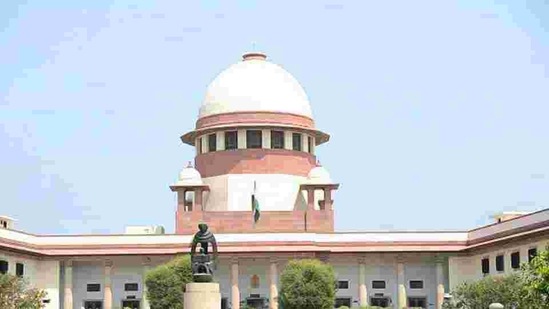
For all these years, the accused made no whisper about his juvenility before the trial court or the Madhya Pradesh high court, which returned consistent findings of guilt against the man, holding that he along with his father Devi Lal and brother Gokul killed one Ganeshram due to enmity. In May 1999, the trial court at Neemach, MP, sentenced the three accused to life imprisonment for murder and under various provisions of the Scheduled Castes and Scheduled Tribes (Prevention of Atrocities) Act. Following this, the Madhya Pradesh high court in September 2006 upheld this ruling.
The trio appealed in the Supreme Court in 2007 but the plea of juvenility of one of the accused was raised for the first time a decade later in 2017. The top court in October 2018, directed the sessions Judge, Neemuch to hold an inquiry into this aspect. Based on the inquiry, the accused was found to be aged 16 years and 11 months on the date of the incident, i.e. July 19, 1998.
The question before the Supreme Court was whether the accused should be tried as a juvenile as under the Juvenile Justice Act, 1986 as it then prevailed when the crime was committed as those under 16 years were termed juvenile under the act. The accused did not fall in this category as he exceeded the age limit. In the year 2000, this bar was lifted to 18 years.
{{/usCountry}}The question before the Supreme Court was whether the accused should be tried as a juvenile as under the Juvenile Justice Act, 1986 as it then prevailed when the crime was committed as those under 16 years were termed juvenile under the act. The accused did not fall in this category as he exceeded the age limit. In the year 2000, this bar was lifted to 18 years.
{{/usCountry}}Section 20 of the modified act provided, “all proceedings in respect of a juvenile pending in any court in any area on the date on which this act comes into force in that area, shall be continued in that court as if this act had not been passed and if the court finds that the juvenile has committed an offence, it shall record such finding and instead of passing any sentence in respect of the juvenile, forward the juvenile to the board which shall pass orders in respect of that juvenile in accordance with the provisions of this act.”
Also Read: UK Court terms Markandey Katju’s testimony in Nirav Modi trial unreliable
Following this law, the bench of justices UU Lalit, Indira Banerjee and KM Joseph held, “Even while holding the appellant to be juvenile in terms of the 2000 act and guilty of the offence with which he was charged, we set aside the sentence of life imprisonment imposed upon him and remit the matter to the jurisdictional Juvenile Justice Board for determining appropriate quantum of fine that should be levied on appellant.”
As regards the other two accused, the Supreme Court upheld the life sentence confirmed by the high court. Since they were released on bail by the top court in April 2009, the bench directed them to surrender before the concerned police station within two weeks and undergo the sentence.