
 E-Paper



Plan to kill Kanhaiya Lal was hatched on June 20 after Anjuman rally
The national security agencies are now examining whether the PFI-Muslim Brotherhood link was used to translate Nupur Sharma’s remarks into Arabic and spread through the Brotherhood network.

 Prefer HTon Google


Investigations into the Udaipur ISIS style beheading of tailor Kanhaiya Lal on June 28 have led the focus to a June 20 meeting of select Barelvi Muslims immediately after a rally of Anjuman Taleemul Islam in Udaipur against Nupur Sharma.
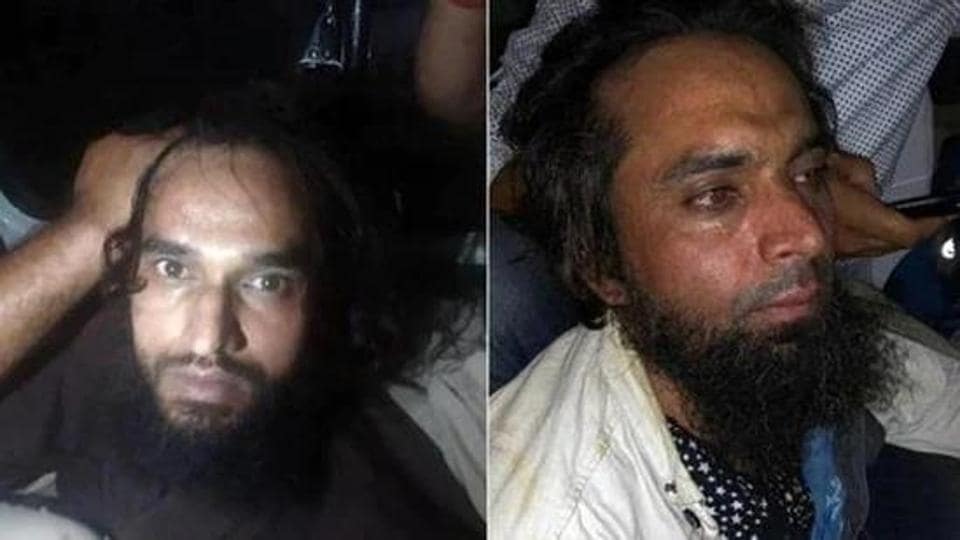
While Kanhaiya Lal killer Ghous Mohammed has told his interrogators that the decision to behead the tailor for supporting Nupur Sharma was taken in this meeting, the others present in the meeting are now denying that any such decision had been taken. According to Ghous Mohammed, it was at this meeting that he volunteered to decapitate Kanhaiya Lal with others present agreeing to provide legal, logistical, or financial support to the families of the murderers after the crime. All those who were identified by Ghous as present in the June 20 meeting have been interviewed by the investigating agencies. The killing of Kanhaiya Lal was initially planned for June 26, but the tailor did not turn up at his shop that day. The murder was executed two days later.
The Udaipur Anjuman is headed by Mujeeb Siddque, who is now being interviewed by the investigating agencies. The Anjuman is part of the Ahle-Sunnat ideology of which Barelvis are a sub-sect.
While Anjuman has become an organization of interest in the murder probe, the investigators are also focused on the Popular Front of India-Social Democratic Party of India links with savage killing. The main accused Riyaz Attari and one of the key conspirators Farhad Mohammed Sheikh alias Babla were both members of the PFI, which in turn has links with the global Muslim Brotherhood.
The national security agencies are now examining whether the PFI-Muslim Brotherhood link was used to translate Nupur Sharma’s remarks into Arabic and spread through the Brotherhood network. Interestingly, the Brotherhood is active in Qatar, Kuwait, Turkey and Pakistan, the countries which raised serious objections to the remarks.
Although the investigators are still awaiting the forensic laboratory report on the electronic devices seized from the killers and the co-conspirators, the analysis of the devices will reveal the link between the accused with Pakistan-based Dawat-e-Islami and Mumbai-based Sunni Dawat-e-Islami. Only then will the investigators be able to unravel how the entire conspiracy was hatched in India after Nupur Sharma remarks and how deep was the role of countries where Muslim Brotherhood is a dominant force.


