
 E-Paper



Karnataka plans curbs on trekking after 19-year-old falls into gorge
On February 21, Nishank Kaul, a native of New Delhi, who was studying in Bengaluru, was stranded on the Bhramagiri Hills after falling 200 feet into a gorge

 Prefer HTon Google


A recent incident involving a 19-year-old trekker from Bengaluru, who was trapped on a hill for over eight hours, has prompted the Karnataka police to plan stricter restrictions on trekking, especially in areas near the Western Ghats and outskirts of Bengaluru, Superintendent of Police (SP) Chikkaballapura district GK Mithun Kumar said on Saturday.
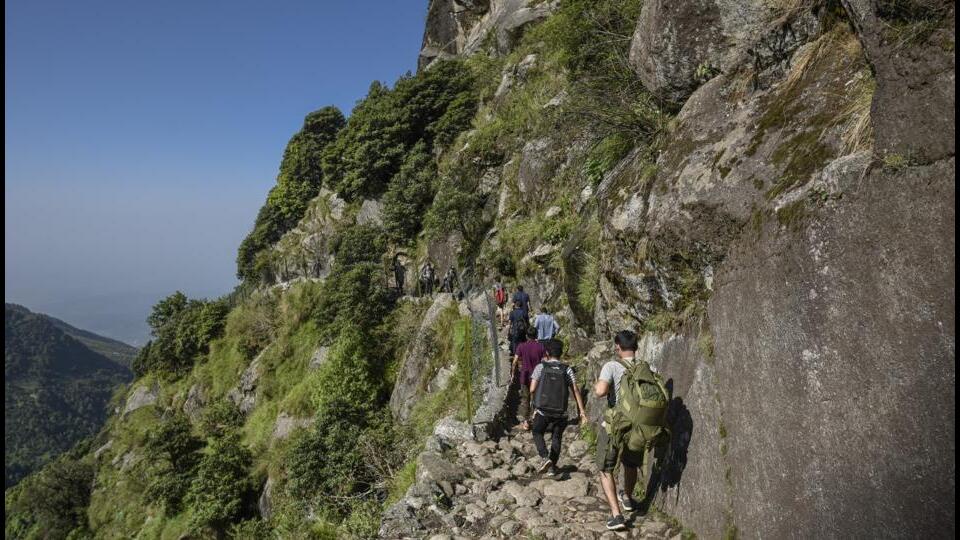
On February 21, Nishank Kaul, a native of New Delhi, who was studying in Bengaluru, was stranded on the Bhramagiri Hills after falling 200 feet into a gorge. The trekker was finally rescued by an Indian Air Force helicopter, after efforts of the fire and emergency services went in vain.
“There is an increase in the number of the youngsters who want to trek. The concern is that many of them are not taking adequate safety measures and they are also taking unnecessary risks. They are also not informing authorities when going on such treks. In the case of a 19-year-old trekker, he was on a solo trekking expedition, which was not just irresponsible but also dangerous,” said Kumar, explaining the rationale behind the decision.
Following the February 21 incident, the Nandigiri Police station near the Nandi hills recommended more restrictions be imposed on trekking at Nandi Hills and the hills surrounding it. According to police, there are five hills around Nandi hills, including Bhramagiri, which are popular among the trekkers.
The SP added that similar proposals are being made by the forest officials of the major forest ranges in the state.
The new recommendations will be in addition to the existing regulations. In July 2021, the Chikkaballapur district administration had decided to put a limit on the number of visitors heading to the hill station. As of now, there’s parking space available for 310 cars and 550 bikes on top of the hills. On average, Nandi Hills sees close to 10 million visitors each year.
However, trekkers are not in favour of the new restrictions in the state, Deepak Sharma, a chartered accountant, and a frequent trekker from Bengaluru said that instead of imposing restrictions, trekking in the state should be streamlined. “Trekking is a sport, and many people are taking to the sport because it makes one challenge oneself more than any other sport. Such restrictions will be detrimental to this new culture, which I must say is helping several people cope with their mental health concerns,” said Sharma.
At the present, the forest department is regulating trekking in some areas, like Kudremukh in Chikkamagaluru. “In treks like these, forest department issue passes and restricts the number of people. It also provides strict instructions, on what can be carried inside the reserve forest and confiscates all plastics. More importantly, authorised guides are sent with the trekking teams to ensure safety. But there are only a handful of such treks. The rest of them are unattended and trekking in such places lead to accidents,” he added.
The department’s earlier decision to ban trekking in Karnataka was withdrawn due to various reasons. In 2017, the state forest department had banned trekking in the forests of Karnataka in the wake of a fire tragedy at Kurangani Hills in the Theni district of Tamil Nadu, which killed nearly ten students.
The order was modified after the department realised that the move would hurt eco-tourism activities, which are being pursued by the state tourism department. The tourism department had declared 2017 as the ‘Year of the Wild’ and had aggressively marketed eco-tourism for tourists to take a look at the widespread presence of wildlife and dense jungles.
In the years that followed, the government not only removed the restrictions but started open guided trekking near Bisle Ghat, and proposals were made to Karnataka Eco-Tourism Development Board to open more such treks.
Izzat Yaganagi, the head of Experiential Learning Programmes at Indiahikes, a Bengaluru based trekking organization, said that with documentation of trekking increasing in recent times, the interest in the sport is spreading and the government should support the emerging trekking culture. “We have been documenting treks in Karnataka, with information that would make trekking safe and more people are using it. The benefits of going to the hill outweigh the occasional incidents that happen. If the government streamlines the process, these incidents could be controlled. In the case of Nandi hills, if there were more people on the trail, the accident could be have been avoided. It would stop people from getting lost in the trail,” she said.
Experts also argue that banning trekking would invite more trouble as it could lead to more people taking unsafe trails to the hills to avoid authorities.


