
 E-Paper



Keeping people behind the bars can’t be the solution, says Justice Kaul
“This is the mindset of the prosecution…this is also the mindset of all our brethren at times – ‘Prosecution is not going to do its job, I know this fellow has done this, let me put him behind bars for the time period. I can even if I am not able to convict him’. That is no solution,” said Justice Kaul, speaking at the valedictory function of the First All India District Legal Services Authorities meeting in New Delhi.

 Prefer HTon Google


Keeping people behind bars cannot be the panacea for a flawed and weak prosecution, Supreme Court judge Sanjay Kishan Kaul said on Sunday, urging the trial judges from across the country to decide bail pleas exclusively on merit.
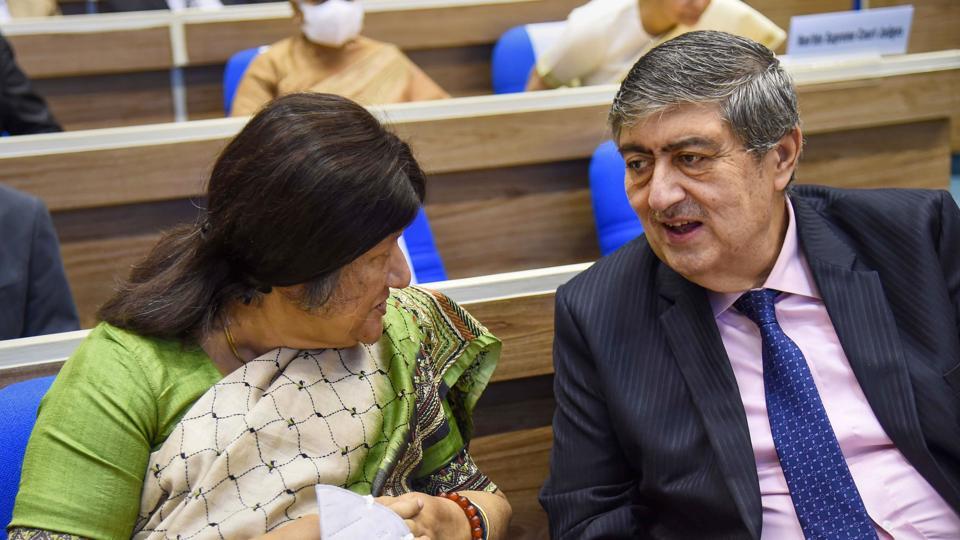
“This is the mindset of the prosecution…this is also the mindset of all our brethren at times – ‘Prosecution is not going to do its job, I know this fellow has done this, let me put him behind bars for the time period. I can even if I am not able to convict him’. That is no solution,” said Justice Kaul, speaking at the valedictory function of the First All India District Legal Services Authorities meeting in New Delhi.
Referring to the low conviction rate, Justice Kaul pointed out that almost 70% of criminal cases end up in acquittal even as the accused spend a lot of time in jail.
“It is not the job of a judge to do the work of a prosecutor. Just because a judge feels that the accused might get away is not sufficient reason to keep them behind bars...To say that people get away so we should keep them behind bars through this convoluted process is not the solution,” he maintained.
Justice Kaul highlighted that the prosecution ought to be more innovative and scientific in its approach.
Regretting the ever-mounting huge pendency of cases, the judge exhorted judicial officers to make an earnest attempt to bring an end to a spectrum of litigation at the first stage itself.
“The sheer volume of pendency to my mind is creating an impediment. If every case has to be tried till the end; every first appeal has to be heard by the courts; if every matter transcends itself to come into the Supreme Court, why 200 years, 500 years, we will also not see the end of this litigation,” he added.
Justice Kaul pitched plea-bargaining and mediation as potential tools to close litigation at the initial stages.



