
 E-Paper



Kerala, Jharkhand and Chhattisgarh add more bird flu deaths amid second wave
In January first week at least 80,000 ducks and 10,000 chickens were culled in Alappuzha and Kottayam districts and the Centre had rushed a high-level team to Kerala. The state government had announced ₹100 per bird to compensate poultry farmers.


There appears to be a second wave of bird flu hitting Indian states with fresh cases of the disease reported from Kerala and suspected cases from Jharkhand and Chhattisgarh.
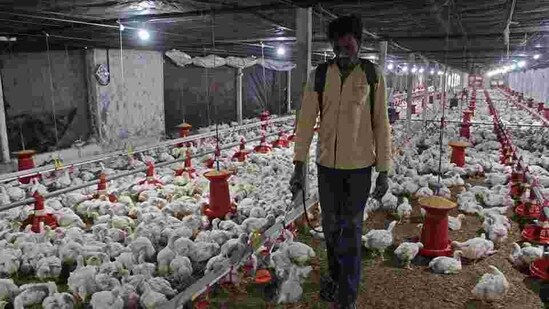
The first case of bird flu was reported from Jhalawar in Rajasthan on December 29 and slowly the virus, deadly for birds but not humans, spread to 10 other states, resulting in the deaths of thousands of birds. The animal husbandry departments of state governments have culled lakhs of birds to prevent the spread of the disease.
On Wednesday, Kerala was put on high alert after fresh cases of bird flu were reported from Alappuzha, said the state animal husbandry department, following the Bhopal based National Institute of High Security Animal Diseases confirming presence of the virus in at least 300 samples.
The officials said the culling of birds will begin on Thursday and in the first phase 5000, mostly ducks, will be destroyed. In January first week at least 80,000 ducks and 10,000 chickens were culled in Alappuzha and Kottayam districts and the Centre had rushed a high-level team to the state. The state government had announced ₹100 per bird to compensate poultry farmers.
Fresh cases were reported a few days after the state made a claim that the flu was localised and contained effectively. The animal husbandry department has called an emergency meeting in the evening to review the situation. Later experts had identified the latest virus strain H5N8 and said it was less pathogenic when compared to H5N5 detected in the area in 2016.
In Chhattisgarh, at least 45 mynas were found dead near a Central Reserve Police Force (CRPF) camp in Bijapur district of Bastar region, officials said on Wednesday. Samples of five mynas have been sent for avian influenza tests, they said.
“There is a CRPF camp in Naimad area where the carcasses of the birds were found on Monday and Tuesday. We rushed to the spot and sent five dead birds for tests on Tuesday evening,” said AP Dohare, Deputy Director of Veterinary Services.
He said that no signs of bird flu have been found in the domestic birds of the district but precautions are being taken. Till now, Bijapur has not reported any bird flu cases but transportation of poultry birds and products to the district has been stopped. In Chhattisgarh, the first confirmed bird flu case was reported from poultry in Balod district on January 14. On Monday, bird flu was reported in two more districts, Bastar and Dantewada, which comes under Bastar region which is a thickly forested area of Chhattisgarh.
In Jharkhand, around 200 pigeons were found dead in Hazaribagh and authorities have rushed teams there. The local villagers said that they had buried the carcasses of birds themselves as the district animal husbandry department officials did not respond, a charge denied by officials.
“We have sent teams to take samples,” a department official said. The department has so far sent 4,300 samples of birds from across the state to a Kolkata lab for bird flu testing but no deaths because of the virus has been confirmed yet.
Bird flu, also known as Avian Flu, is a variety of influenza caused by a virus in birds. It can spread to humans and can trigger person to person transmission, experts say. There are many varieties of viruses and H7N9 is considered most dangerous among them, they say. According to the World Health Organization there are many subtypes of avian influenza virus and only some of them will be dangerous to humans. Migratory birds are reported to be the main carriers of the virus.

-kW0H-U20214218012MgB-250x250%40HT-Web.jpg)


