E-Paper



Key takeaways from the reduction in LPG prices
A look at what the decision to decrease LPG cylinder price by ₹200 may mean.
Updated on: Aug 30, 2023, 23:56:42 IST

 Prefer HTon Google
Share via


Copy link

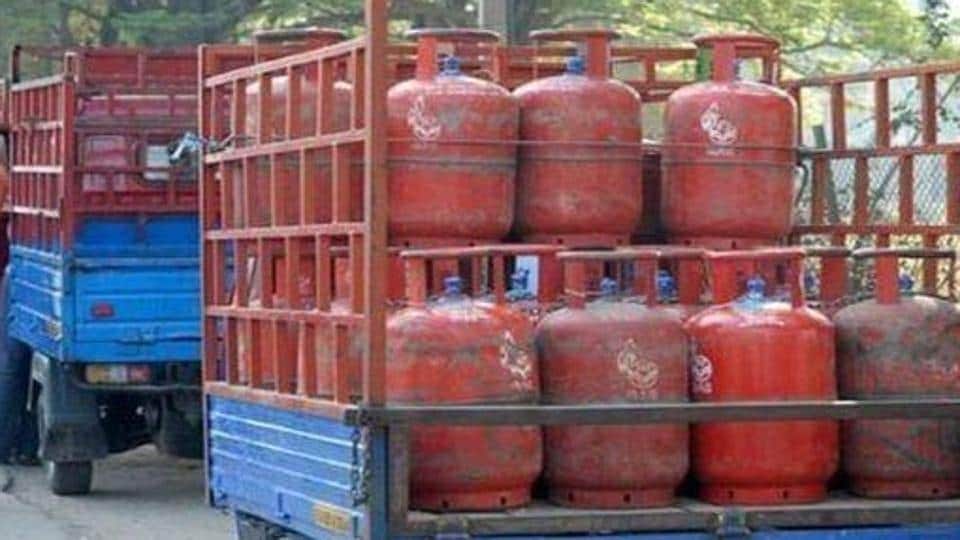
On Tuesday, the Union cabinet announced a reduction in the prices of LPG cylinders. The price of non-subsidised cylinders has been reduced by ₹200 and Pradhan Mantri Ujjwala Yojna (PMUY) customers will now enjoy a subsidy of ₹400 per cylinder. Will the decision help the BJP politically and economically? Here are four charts which explain this in detail.
The charts that matter
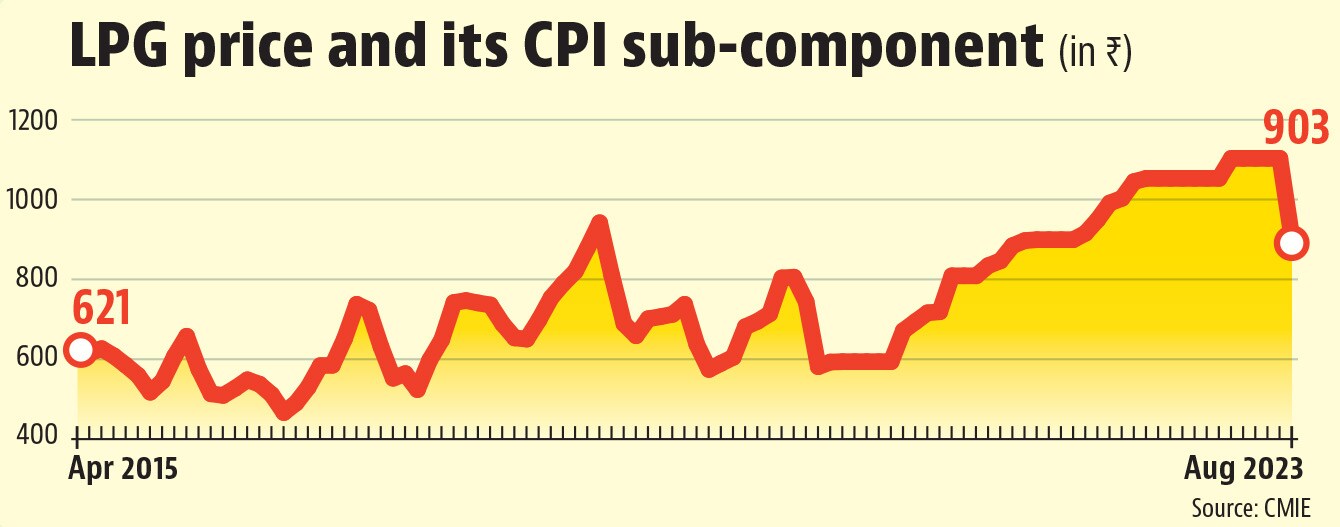
 The price drop can lead to a significant reduction in inflationThe government’s decision has brought down the price of non-subsidised domestic LPG cylinders in Delhi from ₹1,103 to ₹903. Barring PMUY customers, everyone else had to buy cylinders at non-subsidized prices before this announcement. Data from Centre for Monitoring Indian Economy (CMIE) shows that this is the lowest price for a non-subsidised LPG cylinder since February 2022 when it was ₹899.5. Analysts believe that this will have a big impact in bringing down inflation, perhaps by around 0.3%. “LPG has a direct weight of 1.29% in the CPI (consumer price index) and could indirectly impact prepared meal prices with a lag which has a weight of 5.6%. We estimate that the price cut in cooking gas would bring down inflation by ~30bps in the Sep-2023 CPI print”, said a note by Citigroup economists Samiran Chakraborty and Baqar Zaidi. “All else constant, the LPG price cut leaves a real possibility of Sep-23 inflation print to be slightly below-6%,” the note adds.
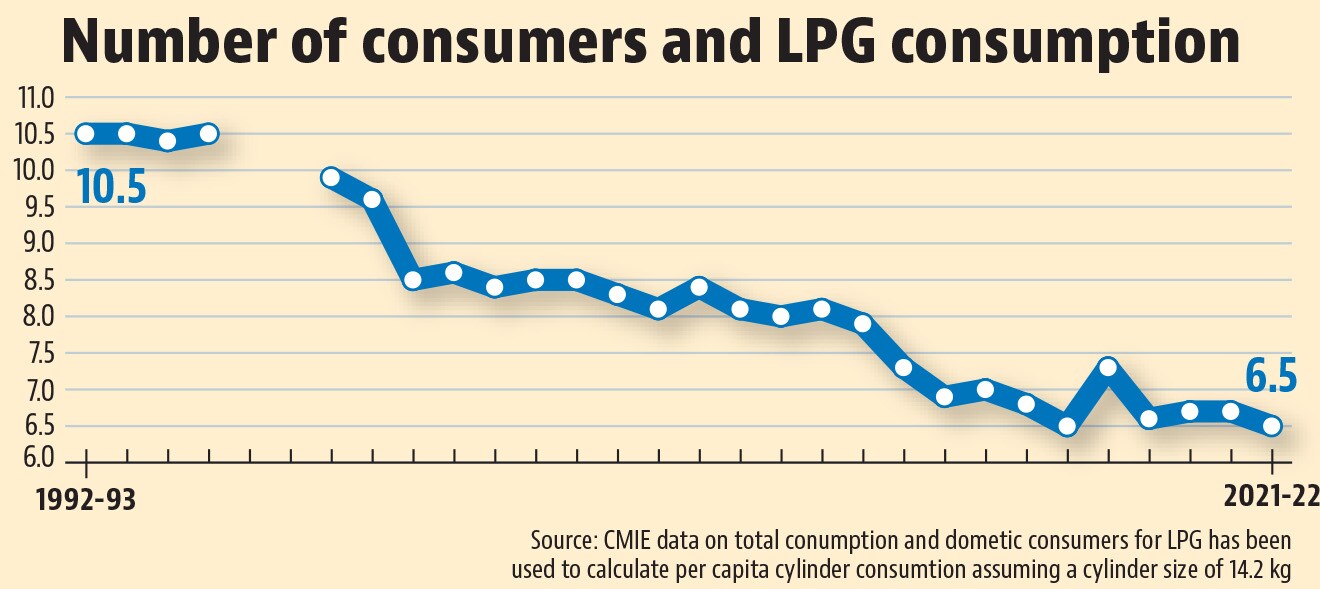
- ... And boost offtake under the PMUYThe PMUY scheme is one of the flagship welfare programmes of the current government. The scheme involves free provision of an LPG connection and the first refill and has led to a big growth in number of LPG connections in the country. However, a comparison of growth in number of consumers and LPG consumption shows that the latter had not kept pace with the former. This suggests that PMUY beneficiaries lack the material wherewithal to refill their LPG connections to use clean fuel on a regular basis. Statistics shared by the government in the parliament support these claims: 11.8 million out of the 95.9 million PMUY beneficiaries (as on July 1, 2023) did not even take one refill in the fiscal year 2022-23, the government said in Lok Sabha on July 27. While per capita consumption of in terms of 14.2 kg cylinder of PMUY beneficiaries has increased from 3.01 (FY 2019-20) to 3.71 (FY 2022-23), the numbers show that PMUY beneficiaries do not reply on LPG as the only source of cooking. The reduced price could help address this problem.
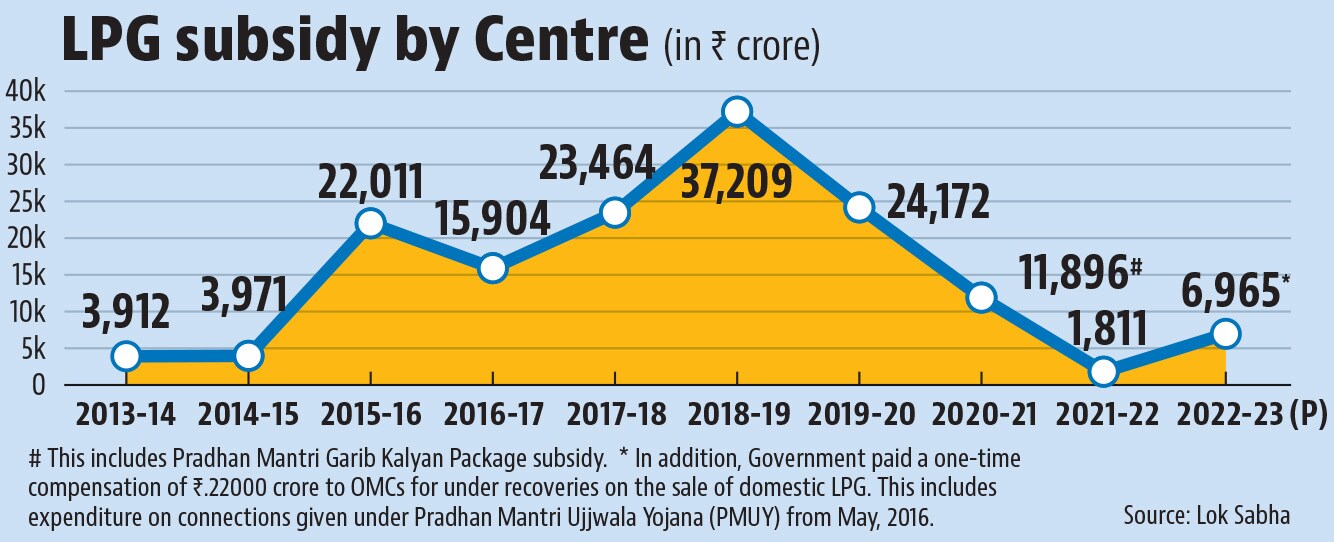
- Will it help the BJP politically?The latest LPG price cut will lead to a decline in inflation for sure. It will also be a huge comfort on the monetary policy front and ease the pressure to increase interest rates. The BJP will obviously try its best to amplify the political narrative around it. However, the fact remains that cylinder prices for non-PMUY beneficiaries will still be significantly higher than what they were during most of this government’s tenure. Data on LPG subsidy shows that the government’s subsidy bill has declined significantly compared to what it used to be in the past. It is important to note that the government’s decision has come after some opposition ruled states such as Rajasthan started giving a higher subsidy on LPG cylinders. Ironical as it sounds, the Union government’s decision will actually ease the fiscal burden on these governments which could encourage an even bigger competition on the welfare front, by freeing up resources for more such measures.
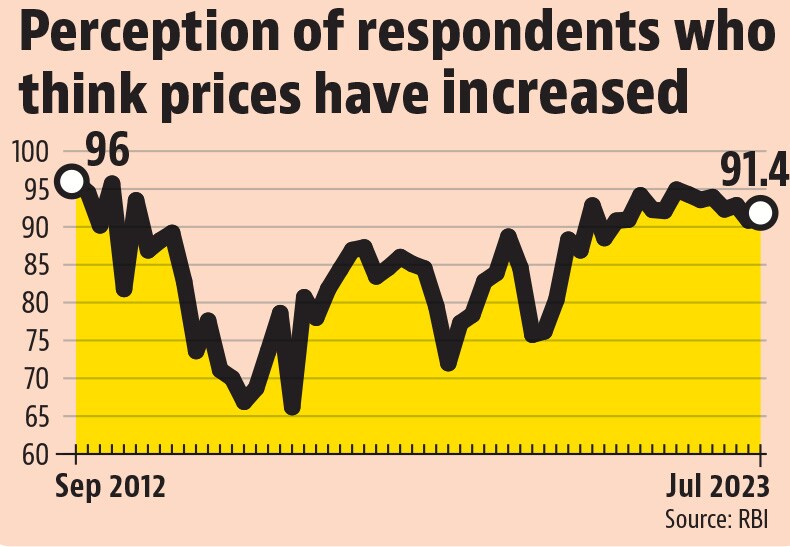
- The bottom line: inflation will be a major factor in 2024The move by the Modi government to reintroduce subsidies for non-PMUY LPG consumers is an admission of the fact that inflation is emerging as a factor not just for the poor but also middle-class voters. This reasoning is supported by RBI data on net current perception on inflation as seen in the Consumer Confidence Survey. The only thing that can be said with certainty about the latest decision is that it is not the last inflation-relief/welfare measure we will see in the run-up to 2024 general elections.