
 E-Paper



Kunal Kamra, Zohran Mamdani and more pen letters, essays on Umar Khalid's 5 years in jail in new book
A former research scholar at JNU, Khalid was arrested in 2020 in connection with the riots in northeast Delhi. Khalid has been denied bail multiple times.

 Prefer HTon Google


A new book compiling letters, essays and reflections by and about jailed student activist Umar Khalid offers a glimpse into his five years in prison as he faces trial under the Unlawful Activities (Prevention) Act (UAPA), foregrounding themes of hope, resistance and the costs of dissent.
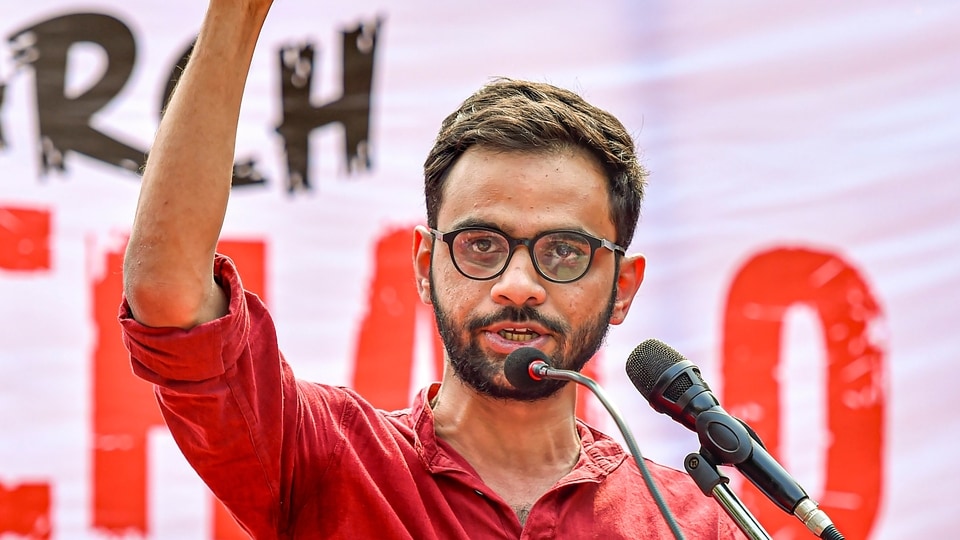
Titled “Umar Khalid and His World”, the volume is edited by researcher and activist Anirban Bhattacharya, artist Shuddhabrata Sengupta, and writer and Umar’s partner Banojyotsna Lahiri, who describes herself as his “soulmate” in the book.
“This book bears Umar’s name as an addressee, but in reality, it is for every person, young or old, who is behind bars, or in danger of being put behind bars, for daring to desire, dream and act towards a better tomorrow,” the editors write in their foreword.
Also Read | Umar Khalid case shows bail denial can't be punishment, says ex-CJI Chandrachud
A former research scholar at Jawaharlal Nehru University (JNU), Khalid was arrested in 2020 in connection with the February riots in northeast Delhi. Khalid has been denied bail multiple times.
The book opens with two previously unpublished letters written by Khalid from jail. In one, he reflects on what he terms the rise of “21st-century Indian fascism” and argues that the lived experiences of many Indians do not align with the Constitution’s promises of liberty, equality and fraternity. “We have seen how a democratic republic committed to ideas of liberty, equality and fraternity has been hollowed out from within,” he writes.
The collection features contributions from a range of public figures, including historians Romila Thapar and Ramachandra Guha, activist Anand Teltumbde and comedian Kunal Kamra.
Thapar, designated professor emerita at JNU, whose speech on the changing interpretation of history is featured in the book, expressed how words like “azadi” and “inquilab zindabad” were foundational to the Independence movement. “Yet, there are enough people today who — strangely enough — regard these words when they are used today as ‘anti-national’,” she wrote.
The book brings together speeches, poems and letters by activists and scholars, including some of Khalid’s co-accused such as Sharjeel Imam, Gulfisha Fatima and Natasha Narwal.
It concludes with a handwritten note addressed to Khalid by New York mayor Zohran Mamdani: “I think of your words on bitterness often, and the importance of not letting it consume oneself. It was a pleasure to meet your parents. We are all thinking of you.”


