E-Paper



Mahatma Gandhi memorial Rajghat in MP submerged under Narmada waters
The water level rose from 123.6 metres on August 30 to 128.5 metres on Friday, inundating the memoiral site, farms and inhabited areas.


Rajghat, the Mahatma Gandhi memorial, and adjoining inhabited areas in Madhya Pradesh’s Barwani, have submerged under Narmada waters that have been gradually rising since the closure of gates of the Sardar Sarovar Dam in neighboring Gujarat in June.
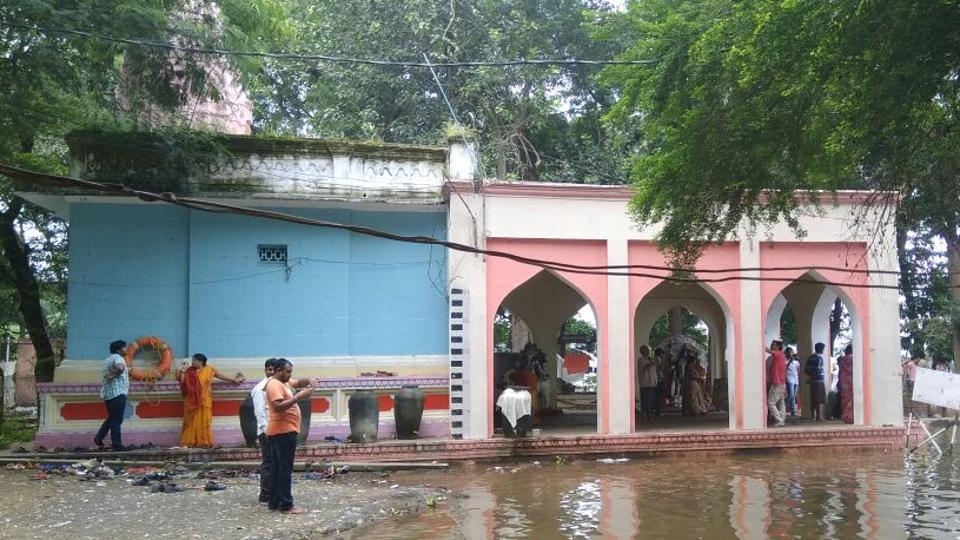
The water level rose from 123.6 metres on August 30 to 128.5 metres on Friday-- much above the danger mark of 123.2 metres-- inundating the Samadhi site, farms and inhabited areas closer to the Narmada banks.
Noted Gandhian Kashinath Trivedi brought ashes of the father of the nation, his wife Kasturba Gandhi, and his secretary Mahadev Desai to set up the memorial on the banks of Narmada in 1965. The place came to be known as Rajghat.
The government, however, dismantled the concrete structure of the memorial and shifted the urns containing the ashes on July 27, few hours before Narmada Bachao Andolan (NBA) leader Medha Patkar was scheduled to start her hunger strike at Rajghat.
The government will build the memorial to another safer site in the district.
District officials, police and the National Disaster Response Force (NDRF) are on high alert in the two affected districts of Barwani and Dhar, keeping a tab on the developments and making appeals to project-affected people to vacate their homes in time.
Vice-chairman Narmada Valley Development Authority Rajneesh Vaish said: “The Narmada Control Authority’s requirement is to have a water level of 130m. So water will further rise in the next few days.”
Months ahead of inauguration of Sardar Sarovar Dam Project (SSP) sluice gates by Prime Minister Narendra Modi on September 17, the authorities had closed them triggering the rise in water level in the 214 km stretch upstream of Narmada. Following closure of the gates, the height of the dam was increased to 138 metres from the earlier 121.92 metres.
Meanwhile, NBA in statement on Friday afternoon said that, “since Thursday the water level is continuously rising and it has now reached 128.50 meters drowning Rajghat, Nisarpur and other villages. Water level is continuously rising after release of large amount of water from unfilled dams just to celebrate the Narmada Mahotsav on Modi’s birthday”
“A large number of affected families haven’t received the house plots and compensation entitled to them, thousands of applications remain unheard before the Grievance Redressal Authority (GRA), leaving no options to the families but to protest on streets”, said the NBA statement .
NBA has appealed to stand with the people of the Narmada valley and “call our elected representatives and ask them to immediately stop filling Sardar Sarovar dam till the rehabilitation is complete as per the Narmada Water Disputes Tribunal Award (NWDTA), state policy and many court judgments”.