
 E-Paper



Major airlines say new pilot rest rules unsustainable, ask govt for tweaks
Country’s national airlines, which together fly 95% of passengers, are nudging the government to relax the new crew rest rules.

 Prefer HTon Google


New Delhi : Four of the country’s five national airlines, which together fly 95% of passengers, are nudging the government to relax the new crew rest rules that came into force on November 1 last year, multiple officials told HT, who said the companies contend the regulation is unsustainable in the long run.
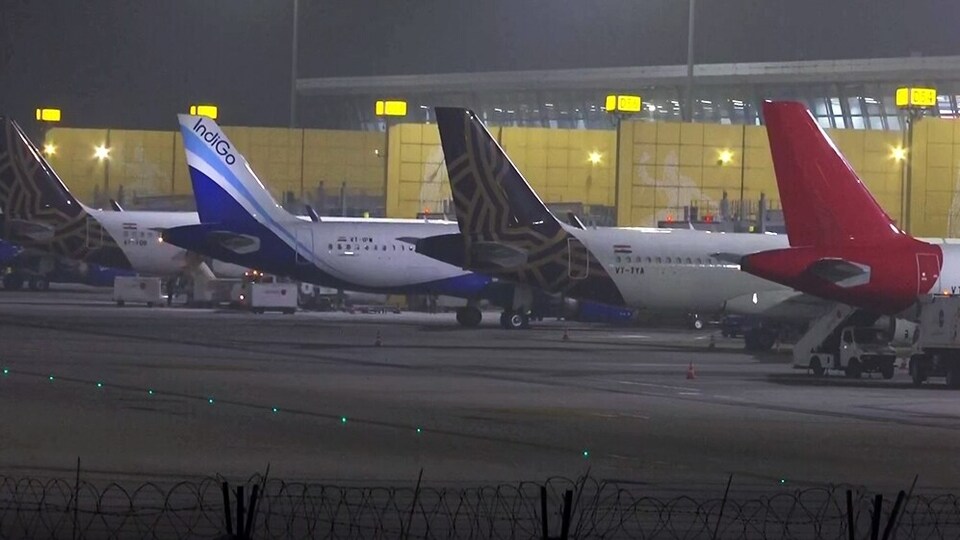
The rules pertain to what is known as flight duty time limitations (FDTL), which were toughened after an arduous litigation led by pilots who called for stricter limits on how long and what hours aviators can work for airliners in the interest of passenger safety.
“Airlines have approached the ministry to ask for certain relaxations in the newly mandated FDTL. Discussions are going on,” said an official requesting anonymity, and added that the matter was discussed during a parliamentary standing committee meeting on December 17.
Also Read | DGCA monitoring IndiGo to ensure smooth operations: Officials
That meeting came days after one of the worst aviation crises in India when operations of IndiGo, which has over 63% market share, collapsed between December 3 and 5. A government inquiry released earlier this month found the airline “failed to adequately identify planning deficiencies” and maintained “minimal recovery margins” despite having two years to prepare for the regulations.
At the time, IndiGo was allowed an exemption from the FDTL rules till February 10, a move experts at the time said jeopardises safety. The airline has since been fined a record ₹20.2 crore for being exempted from the rules, and another ₹1.8 crore for systemic oversight that led to its December collapse, that left 300,000 passengers affected.
The new FDTL rules mandate substantially tighter limits on pilot working hours and rest periods. Weekly rest increased from 36 to 48 continuous hours, including two full nights at the crew member’s home base. The definition of night duty expanded from midnight-5am to midnight-6am, and airlines can now assign pilots to only two consecutive night duties instead of an unlimited number. Night landings were capped at two per week, down from six previously. Monthly flight time was reduced from 125 hours to 100 hours in 28 days.
Also Read | India-EU trade deal sends message against tariffs, protectionism: European Council President Antonio Costa
“The airlines have been firm that the second set of the new FDTL rules are not feasible for airlines in the longer run. The government however, has not taken a decision on the matter yet,” another official said, referring to the rules that came into force in November.
IndiGo, Air India, Air India Express, Akasa and SpiceJet did not respond to requests for comment from HT on whether they were in talks for relaxation.
The civil aviation ministry did not respond to requests for a comment. An airline executive, who spoke on condition of anonymity, said “all airlines except SpiceJet and Alliance Air are in discussions with the government over the need for relaxations”.
An airline executive, from one of the key carriers, said his company supported the move. “With caps on airfares and the fluctuating geopolitical situation apart from Pakistan airspace closure has put enough stress on Indian aviation. The new FDTL means additional pilots, which is another cost, hence the relaxation in FDTL is being discussed in the interest of the growth of the sector in India,” this person said, asking not to be named.
The government imposed an emergency fare cap on December 6 during the IndiGo crisis after ticket prices spiked to ₹40,000- ₹1 lakh on certain routes, reviving dormant Covid-era fare band ceilings. The ministry said at the time the caps would be relaxed once fares stabilised. The bands are still in place.
Pilots said such a push once again is against the interest of passenger safety. President of Federation of Indian Pilots (FIP) C S Randhawa, said, “Safety cannot be compromised in any situation. If there is any untoward incident, pilots are the first ones to be blamed. The rest factor of a pilot needs to be taken as a priority. Where there is will, there is a way, so the airlines who were given time for two years, cannot give excuses now.”
To be sure, airlines appear to have adapted to the new crew rest rules and except for IndiGo, none of the other airlines reported drastic rostering issues.
IndiGo, in a recent weekly meeting with the regulator (that have been conducted since the disruptions), assured the DGCA that it now has adequate pilot strength and will not cancel flights after February 10, when temporary exemptions from crew fatigue rules expire — although the airline gave similar assurances in October before its network collapsed in early December.


