
 E-Paper



Monsoon floods ravage Pakistan's farmlands, hit industrial centres marring economic recovery
The floods, which struck both the rural heartlands and industrial centres in what is a first in decades, has also caused strains in food supplies and exports.

 Prefer HTon Google


The monsoon floods in Pakistan hit both the agricultural and industrial sectors, leading to the country incurring billions of dollars in damage.
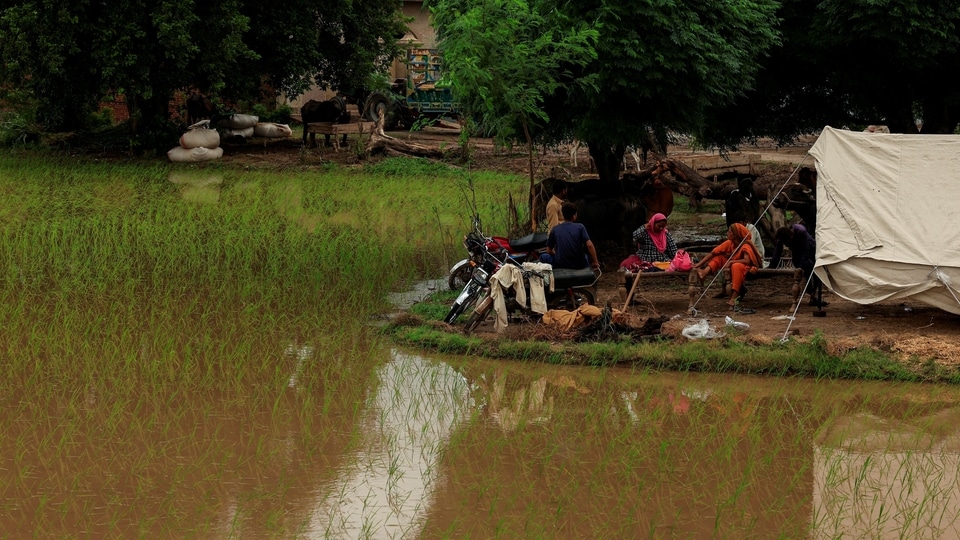
The floods, which struck both the rural heartlands and industrial centres in what is a first in decades, also caused strains in food supplies and exports, hitting the country's economic recovery, according to a Reuters report.
This comes after record monsoon rains starting late June, and dam releases from India, which led to the inundation of large swathes of land in Punjab and Sindh. The two populous provinces are among the most vital to Pakistan's economy.
The heavy rains and flooding have killed at least 1,006 people in Pakistan since June, the country's disaster management authority said, with over 2.5 million people being evacuated in Punjab and Sindh.
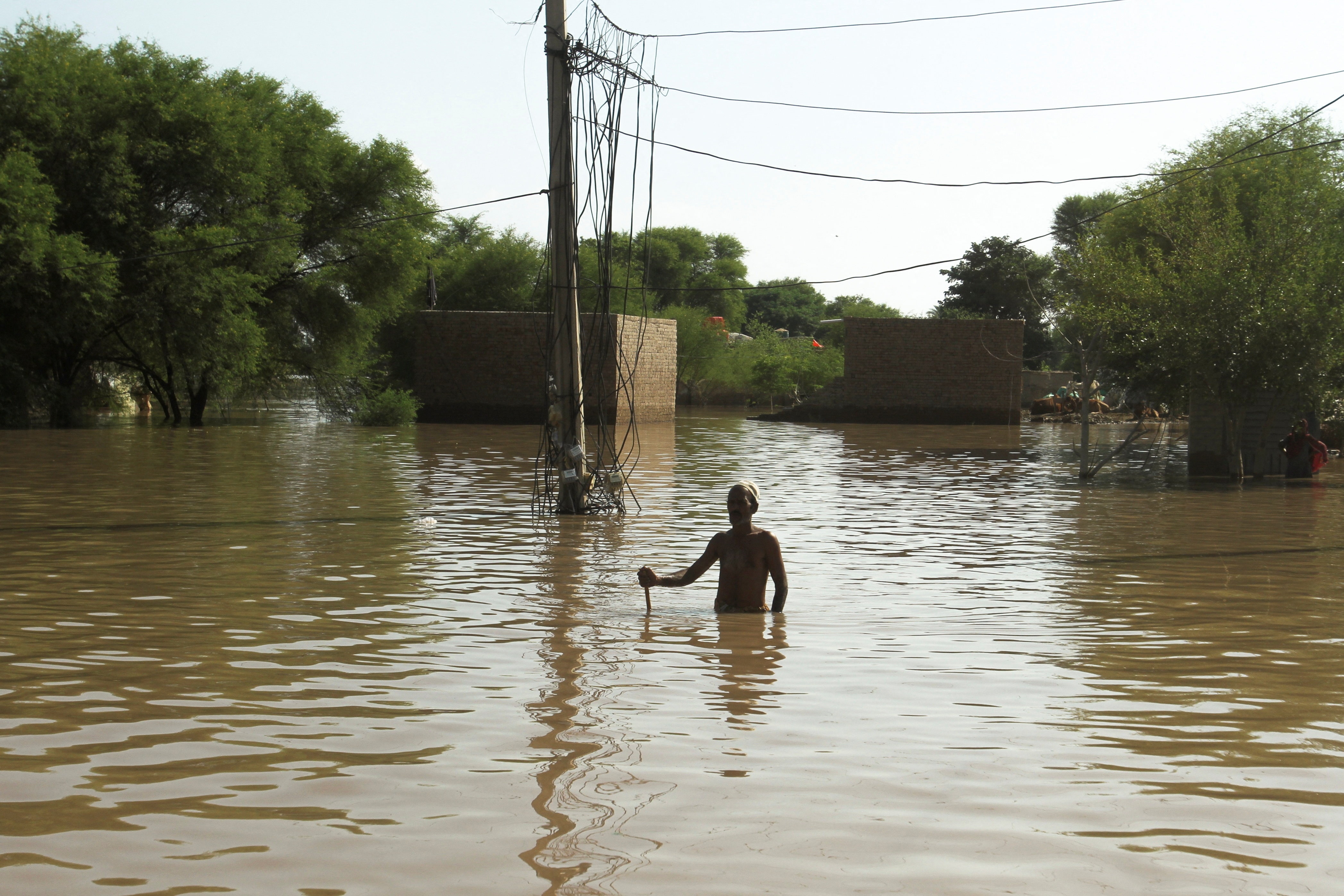
In Pakistan's Punjab, which is a major producer for rice, cotton and maize in the country, the deluge submerged 1.8 million acres of farmland, according to the provincial disaster management agency.
This led to 50 to 60 per cent of cotton and maize crops being damaged, Reuters quoted chairman of the Pakistan Farmers Association, Khalid Bath, as saying.
Iqrar Ahmad Khan, former vice chancellor of the University of Agriculture Faisalabad, estimated that a tenth of Pakistan's crops are destroyed, with vegetable losses at more than 90% in some districts.

The floods also struck industrial cities including Sialkot, where several workshops were marooned. Sialkot is a hub for textiles, sporting goods and surgical equipment, which underpin the country's exports, Reuters reported.
Apart from the direct damage, the inundation of farmlands will also spill over to the industries. For example, the cotton shortfall will result in a hit to the textile sector, industrialists warned, according to Reuters. The textile sector is Pakistan's top foreign exchange earner.
A farmer residing in Pakistan's Multan said that while he earlier had 400 acres of cotton, only 90 acres were left after the flooding. Meanwhile, homes and small businesses were also gutted in Lahore.

Floods threaten Pakistan's economic recovery
Pakistan's economy, which was stabilised under a $7 billion International Monetary Fund bailout, is again under strain following the monsoon floods.
The country's government had earlier projected 4.2% growth in 2026, relying on growth in farming and manufacturing. However, with waters yet to recede from several districts, officials and analysts warn that the impact of the floods could be larger than the one in 2022, Reuters reported.
Pakistan's planning minister Ahsan Iqbal admitted that the floods could “set back” GDP growth, while the country's central bank said it would cause “temporary yet significant supply shock.”

According to a report from agricultural monitoring initiative GEOGLAM, cited by Reuters, at least 220,000 hectares of rice fields were flooded in Pakistan between August 1 and September 16.
Pakistan Farmers Association chairman Bath estimated that the losses could exceed 2.5 million acres, amounting to $3.53 billion.
The timing of the floods, before the country is about to sow wheat, a crop which accounts for nearly half its's caloric intake, might also spur food insecurity. “Food insecurity is coming, not just higher prices,” Reuters quoted Iqrar Ahmad Khan as saying.
“The floods will increase the current account deficit by $7 billion. They are worse than the previous floods,” former finance minister Hafeez Pasha said.


