
 E-Paper



Mumbai power cut: Electricity disrupted in parts of city and suburbs like Thane
Mumbai does not usually face mandatory power cuts as part of the state's load-shedding issues but has faced problems in the past, including an 18-hour disruption in October 2020.

 Prefer HTon Google


Electricity supply in parts of Mumbai and adjoining areas - including Thane, Mulund, Ambarnath, Badlapur and Dombivali – was affected Tuesday morning due to tripping in the 400KV sub-station at Padgha. There was small explosion at the station at 10.15 am but power supply is being restored slowly, officials said. Officials said around 255 MW load was shed but supply was restored by 11.30 in a phased manner. The disruption comes as Maharashtra faces a supply deficit that has led to discoms cutting electricity to some pockets.
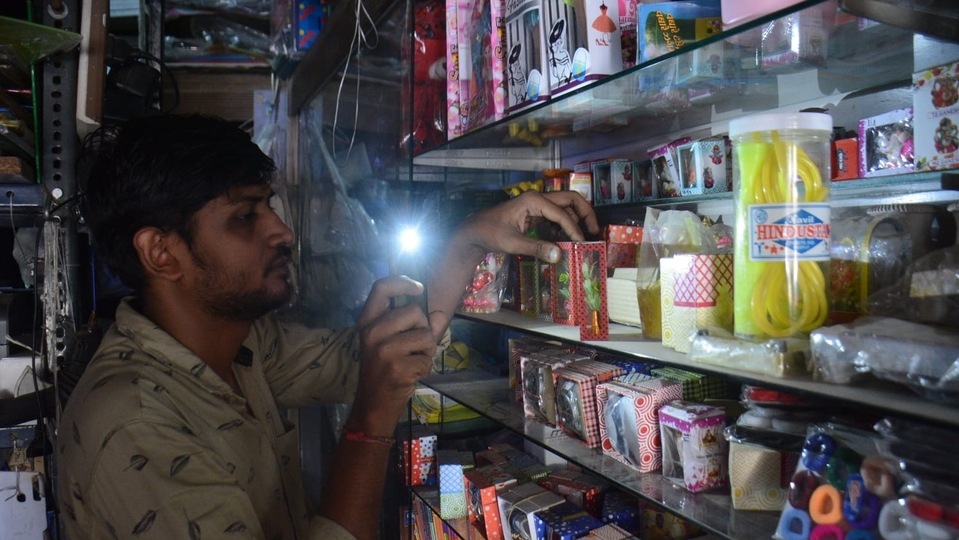
Some parts of central Mumbai, with suburbs like Bhandup and areas within the city's municipal limit, faced the outage from around 10 am, news agency PTI reported.
There has been no comment from any official so far, PTI said.
The nation's financial capital does not usually face mandatory power cuts as part of the state's load-shedding issues but has faced problems in the past, including a disruption that lasted up to 18 hours in October 2020.
Back then Mumbai came to a halt for a few hours. It took up to 24 hours for supply to be restored in some areas.
On 27 February, a similar power cut occurred in Mumbai due to the tripping of a transmission line, planned outages for linear infrastructure projects and a fire on a hillock at Trombay.
READ: Heatwaves, coal shortage spark fear of power crisis
Heat waves across several parts of India, the consequent increase in power demand, and fears of a coal shortage have triggered planned blackouts in at least seven states in the country, and experts worry that at least some parts of India could face a serious power crisis this summer.
Maharashtra is facing a severe power crisis due to shortage of coal coupled with private plants reducing their power supply with power demand soaring to 24,800 MW this year, from 22,000 MW last year around this period. “The load shedding is inevitable as the demand for power has increased sharply due to summer,” said state energy minister Nitin Raut.
Demand for power, and coal, increased as temperatures rose to 42.6 degrees Celsius on April 20, the hottest (for the day) in five years, according to the India Meteorological Department. The national average maximum temperature reached almost 33.2 degree Celsius in March, the highest on record since authorities started collecting the data in 1901.
With input from PTI


