
 E-Paper



Mumbai weather: Heatwave conditions today, tomorrow; IMD issues ‘yellow’ alert
Weather in Mumbai: The city faced extreme heat Monday, with temperatures reaching 38.4°C, a five-year high for February.

 Prefer HTon Google


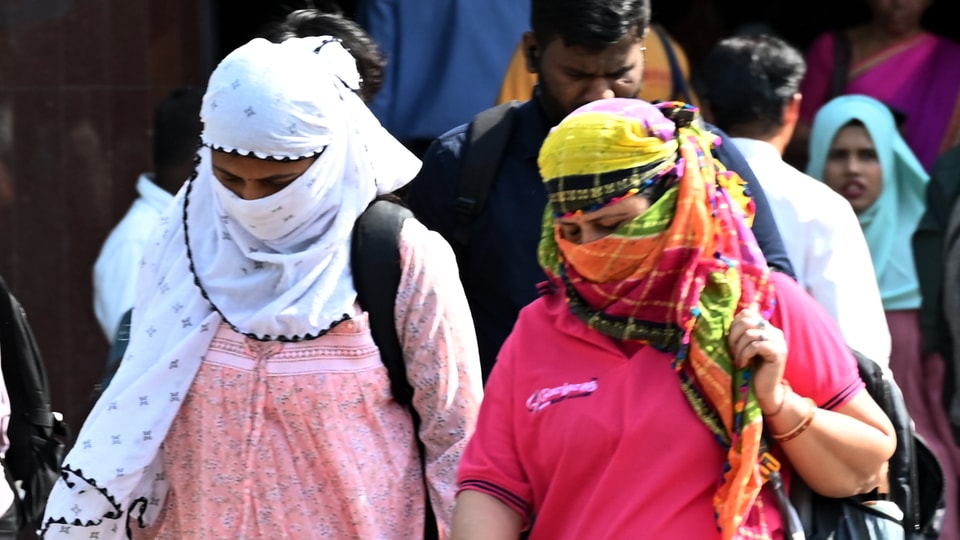
Mumbai is expected to reel under scorching heat on Tuesday and Wednesday, February 25 and 26, as the India Meteorological Department has issued a yellow alert for heatwave. Mumbai’s maximum temperature reached 38.4 degree Celsius on Monday, a five-year high in the month of February.
The maximum temperature recorded on Monday by the Mumbai Santa Cruz observatory was 6.4 degrees above normal, reported The Indian Express. Last time the temperature hit the 38.4 degree-mark in Mumbai was on February 28, 2020, the report added.
For the next 48 hours, the regional meteorological department has predicted a mainly clear sky in Mumbai and its suburbs. However, hot and humid conditions are very likely to prevail. The maximum and minimum temperatures are likely to be around 37 degrees Celsius and 23 degrees Celsius, the weather office added.
Sushma Nair, a scientist at the Mumbai IMD office, told The Indian Express, “It will continue to be hot and humid tomorrow and the day after. The temperature has been on the higher side for the past few days due to the strong easterly presence which is delaying the setting of a sea breeze. This is going to last for at least three more days as there is no possibility of rainfall in the days to come.”
Mumbai, Thane, Ratnagiri, and Raigard have also issued heatwave warnings for Tuesday and Wednesday. By Thursday, the temperatures are predicted to bring some relief from the heat.
Precautionary measures
The weather office has suggested taking precautionary measures before stepping out during peak hours, adding that exposure to heat could cause heat cramps and heat rash. Other measures suggested by the weather department include -
- Stay hydrated and drink sufficient water even if not feeling thirsty to avoid dehydration.
- Wear lightweight, light-colored, loose, cotton clothes.
- Cover your head using a wet cloth, hat or umbrella while going out during peak hours.
- Workers should avoid direct sunlight during the peak hours.
- Schedule strenuous jobs at cooler times of the day.
- Increasing the frequency and length of rest breaks for outdoor activities.
- Recognize the signs of heat stroke, heat rash or heat cramps such as weakness, dizziness, headache, nausea, sweating and seizures


