
 E-Paper



Naresh Kumar, 1987-batch IAS officer, to be Delhi's new chief secretary
NDMC chairman Dharmendra will be the new chief secretary of Arunachal Pradesh, while Rajeev Verma has been appointed as the new Puducherry chief secretary. Puducherry's current chief secretary Ashwini Kumar is coming back to Delhi.

 Prefer HTon Google


In a major bureaucratic reshuffle, Naresh Kumar, who was currently serving as the chief secretary of Arunachal Pradesh, has been appointed the new chief secretary of Delhi, a notice by the Union home ministry stated on Tuesday. Kumar, a 1987 batch IAS officer, had earlier served with the Delhi Transport Corporation (DTC).
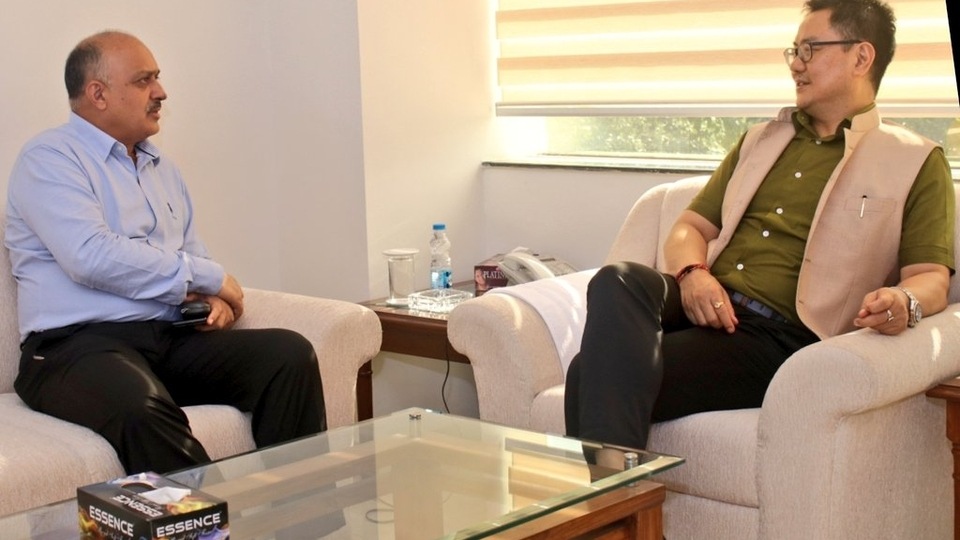
New Delhi Municipal Council (NDMC) chairman Dharmendra will be the new chief secretary of Arunachal Pradesh, while Rajeev Verma has been appointed as the new Puducherry chief secretary. Puducherry's current chief secretary Ashwini Kumar is coming back to Delhi.
Delhi chief secretary Vijay Dev will retire voluntarily on April 20. The order comes hours after President Ram Nath Kovid gave his nod to the Delhi Municipal Corporation (Amendment) Bill 2022.
A 1987-batch AGMUT (Arunachal Pradesh, Goa, Mizoram, Union Territories) cadre IAS officer, Dev was appointed as the chief secretary of Delhi in November 2018. He was to superannuate in March 2023 but has taken voluntary retirement from the service. He will take over as the state election commissioner for Delhi and Chandigarh on April 21, reports suggest.
With President Kovind giving his assent to the bill, which seeks to unify the three civic bodies in the city, an exercise to appoint a 'special officer' to run the new body and form a delimitation commission to carry out the demarcation of wards will be initiated.
Experts highlighted that given the current scenario, civic polls are unlikely to take place before early next year due to a delimitation exercise. They added that if the delimitation is carried out based on a fresh census then the election may be delayed by more than a year.
Officials also added that the reduction in number of wards from 272 to 250 in the proposed unified MCD is also likely to affect the composition of several assembly segments in the national capital.


