E-Paper



Nepal PM’s move to dissolve Parliament is ‘internal matter’, says India
Oli’s detractors have described the move as a “constitutional coup”, and media reports have pointed to the role played by the Chinese ambassador to Nepal, Hou Yanqi, in efforts to engineer a patch up between Oli and Pushpa Kamal Dahal “Prachanda”, the premier’s main rival in the ruling Nepal Communist Party.

 Prefer HTon Google


India on Thursday reacted in a guarded manner to Nepal Prime Minister KP Sharma Oli’s decision to dissolve Parliament and call snap elections, saying it was an internal matter that should be handled in keeping with the country’s democratic processes.
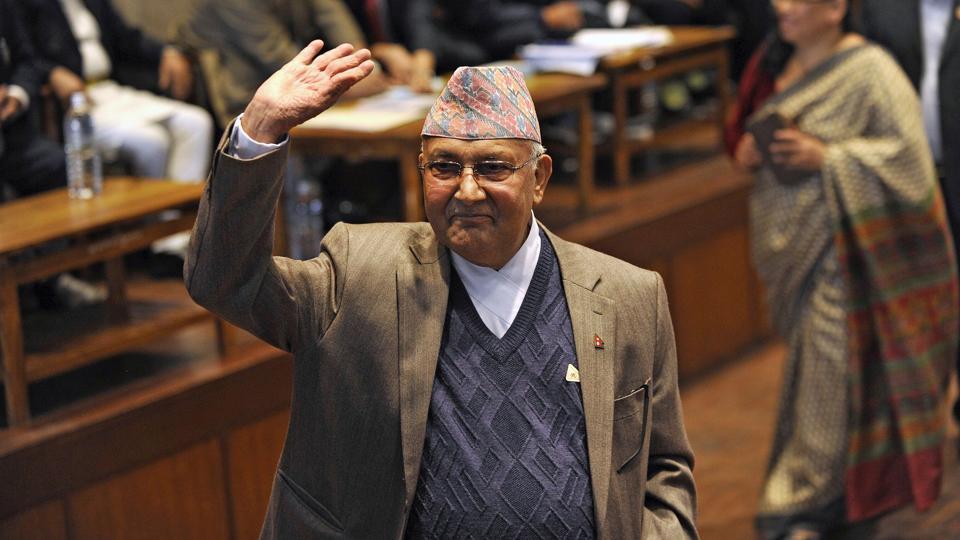
Oli’s detractors have described the move as a “constitutional coup”, and media reports have pointed to the role played by the Chinese ambassador to Nepal, Hou Yanqi, in efforts to engineer a patch up between Oli and Pushpa Kamal Dahal “Prachanda”, the premier’s main rival in the ruling Nepal Communist Party.
Asked about India’s position on the dissolution of Parliament and political uncertainty in Nepal, external affairs ministry spokesperson Anurag Srivastava said: “We have noted the recent political developments in Nepal. These are internal matters for Nepal to decide as per its democratic processes.”
He added, “As a neighbour and well-wisher, India will continue to support Nepal and its people in moving forward on the path of peace prosperity and development.”
This was the first foreign reaction to the developments in Nepal. One of the fallouts of the political turmoil in Kathmandu was the cancellation of a planned visit to New Delhi this week by Nepal’s foreign minister Pradeep Gyawali to take forward the normalisation of bilateral relations after a border row earlier this year.
Indian Army chief Gen MM Naravane, foreign secretary Harsh Shringla and Research and Analysis Wing chief Samant Goel visited Kathmandu in recent weeks as part of efforts to put ties back on an even keel after Nepal published a new map that included Indian territories such as Kalapani. The map was issued in retaliation for India opening a new strategic road to the Kalapani region in May.
On Sunday, Oli recommended that the president dissolve the House of Representatives and hold elections in April-May next year. Since then, Chinese envoy Hou Yanqi has held a string of meetings in an apparent bid to mend fences between Oli and Prachanda, who merged their parties in 2018 to form the Nepal Communist Party.
Hou met Prachanda on Thursday, two days after she called on President Bidya Devi Bhandari, who dissolved the House of Representatives and announced fresh elections. Prachanda has claimed control over the Nepal Communist Party after removing Oli from the posts of party parliamentary leader and chair.
This isn’t the first time Hou has intervened in Nepal’s politics amid a crisis. In May, she met with Bhandari, Oli and senior ruling party leaders, including Prachanda, when the prime minister was facing pressure to step down over poor governance.