NHPC Ltd had flagged methane as a risk at the Teesta VI hydropower project in Sikkim months before a methane explosion in an under-construction tunnel killed 25 workers on July 20, documents on the company’s website show. The documents record a methane leak in January and show that safety measures and equipment to monitor the gas were subsequently recommended and sought.
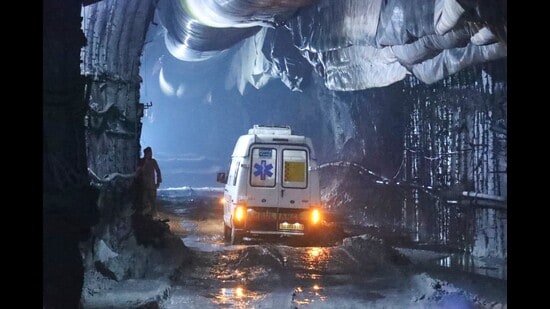
The blast occurred in the head-race tunnel (HRT) of the 500-MW Teesta VI project in Namchi district. NHPC said it was caused by a “sudden burst of suspected methane gas” trapped inside the rocks, leading to an explosion, dense fumes and toxic gases. Twenty-five workers trapped after a rockfall blocked the tunnel died. A detailed investigation into the incident is still underway.
Also read: 12 dead, 13 still trapped after suspected methane explosion in Sikkim tunnel; toll may rise
Methane leak reported months before fatal blast
An NHPC document prepared to justify nomination-basis contract awards for April-June 2026 records that on January 14 there was “a sudden leak of flammable methane gas during heading excavation at HRT Face 4A”.
{{/usCountry}}An NHPC document prepared to justify nomination-basis contract awards for April-June 2026 records that on January 14 there was “a sudden leak of flammable methane gas during heading excavation at HRT Face 4A”.
{{/usCountry}}“Several personnel from the executing agency….suffered burn injuries in the incident. Consequently, excavation work was suspended with immediate effect..” the document said.
A subsequent safety audit by CSIR’s Central Institute of Mining and Fuel Research (CSIR-CIMFR) recommended strict implementation of handheld, rugged methanometers for real-time monitoring. “The CSIR-CIMFR team advised that tunnelling may proceed safely if the effective protocols viz effective ventilation management, continuous monitoring, procurement of DGMS approved, handheld rugged methanometers for real-time site assessment are strictly implemented,” it stated.
It is not clear from the documents whether all these recommendations had been fully implemented before work resumed.
Also read: Rescue on as 27 workers trapped in Sikkim tunnel after landslides
Equipment procurement, calibration timeline unclear
NHPC documents show that the Ministry of Power issued a tender on June 17 for quarterly calibration of three methanometer-cum-toximeter units for two years at the project. The documents do not establish when the equipment was procured or whether all three units were operational on July 20.
More significantly, an expression of interest (EOI) issued by NHPC on July 10, just 10 days before the explosion, sought expert agencies to address challenges affecting excavation, including “seepage, ingress of water/slush, cavity formation, face collapses, and the presence of methane gas”.
Also read: Toxic gases slow rescue ops in South Sikkim tunnel blast, toll reaches 15
Experts question preparedness, seek independent probe
Experts said the documents raise questions about whether adequate safety measures were in place despite NHPC being aware of the methane risk, and sought independent and transparent investigation.
“If the details of methane gas leaks and its problems were well known, it shows NHPC has once again failed in basic monitoring and preparedness. Such incidents will continue as long as there is no accountability established through independent investigation,” said Himanshu Thakkar, Coordinator at South Asia Network on Dams, Rivers & People (SANDRP).
HT reached out to NHPC for comment, including on the implementation of the safety recommendations, availability of methane-monitoring equipment and preparedness at the site, but no immediate response was available.
“A detailed investigation will be undertaken to ascertain the cause of the incident. We remain committed and are extending full support to the rescue agencies and the affected families..” NHPC had said in a statement after the incident.