
 E-Paper



No evidence or intel shared, Canada should name Nijjar’s killer, says Indian official
Canada PM Justin Trudeau has accused India of being behind the June killing of Surrey-based Khalistan terrorist Hardeep Nijjar.

 Prefer HTon Google


New Delhi: Canada has not shared any evidence with India, at any level, on the possible involvement of Indian intelligence agencies in the murder of Surrey-based Khalistan terrorist Hardeep Nijjar, top Indian security officials said.
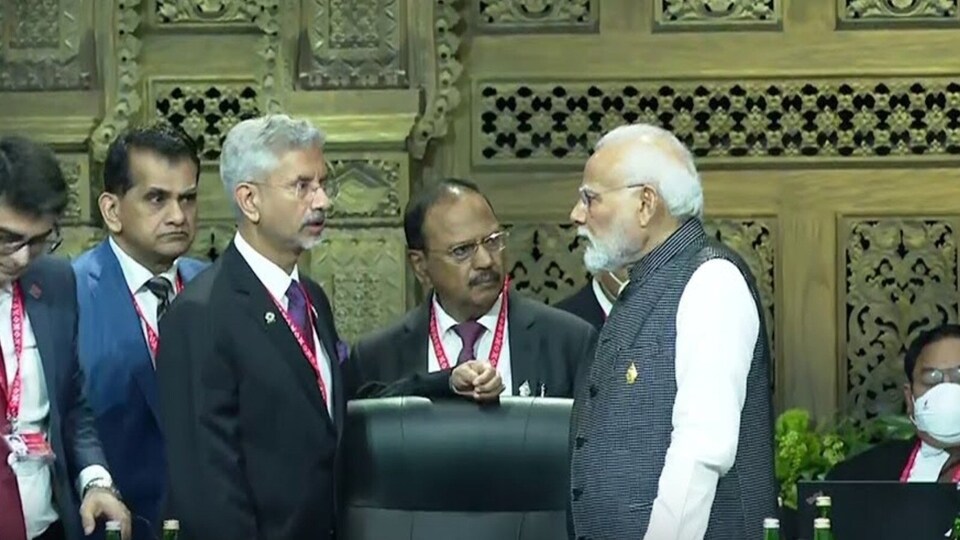
According to the officials, who asked not to be named, neither Ottawa nor Washington DC shared any intelligence on the killing of the Khalistan Tiger Force chief Nijjar with New Delhi in the run-up to the G-20 summit in Delhi. Canadian National Security Advisor Jody Thomas met the Indian intelligence chief and her Indian counterpart before the G-20 summit, but she did not share any evidence pointing to the involvement of India in Nijjar’s killing, the officials added.
Join our WhatsApp channel for latest news directly to your fingertips
It is not clear whether the issue was raised at all. The Financial Times reported that the US, the UK and Canada did raise the issue separately with New Delhi during the summit.
“Credible allegation is an oxymoron,” said one of the officials, referencing the language used by Canadian Prime Minister Justin Trudeau when he first mentioned the issue last week. And since then too, the officials added, no evidence has been shared.
“No credible evidence has been shared through either the diplomatic or the intelligence channel with India. Since India has nothing to do with Nijjar’s murder, it is ready to provide assistance provided Canada moves the legitimate legal process and prosecution of the identified killer or killers,” added this official.
Also Read: Share evidence on Nijjar, not accusations, India tells Canada
The Indian officials insisted that Trudeau’s allegation is politically motivated, with an eye on the Sikh diaspora in Canada, and that the US and Canada’s other Five Eyes and G7 alliance partners have been dragged into the issue. To be sure, this assessment runs counter to comments made last week by David Cohen, the US ambassador to Canada, that the allegation was based on “shared intelligence among Five Eyes partners”. The other members of the Five Eyes are Australia, the UK, and New Zealand. This intelligence, helped Canada in identifying a potential link between the killing and “agents of the Indian government” Cohen added.
Still, India, the officials added is prepared to meet the Canadian escalation over the matter and confront the Trudeau government over the unsubstantiated allegations. It also wants to know who killed Nijjar, they said.
The officials acknowledge that the US is caught between its closest ally Canada and new best friend India, and has taken the right position of seeking a full investigation. “It is critical that the Canadian investigation proceed, and it would be important that India work with the Canadians on this investigation,” US Secretary of State Anthony Blinken said Friday. “It is important that the investigation runs its course,” he added.
The best thing that can happen now is for Ottawa to produce the evidence — if it has any — the official cited above said.
“Justin Trudeau should name the killer of Nijjar and also name the Indian government official who, if any, ordered the hit in a prosecution document. An allegation is not evidence.”


