
 E-Paper



Share evidence on Nijjar, not accusations, India tells Canada
The officials said one of India’s primary concerns is the safety of Indians and the Indian diaspora in Canada.

 Prefer HTon Google


New Delhi: The Indian government has responded with alacrity to Canadian Prime Minister Justin Trudeau’s allegation that the country was involved in the killing of Canadian citizen and Khalistan Tiger Force (KTF) terrorist Hardeep Singh Nijjar on June 19 in Surrey, Vancouver, seeking evidence from Ottawa, offering to cooperate in the investigation, and briefing its key allies about both the emptiness of Trudeau’s charge and Canada’s tolerance and encouragement of terrorists and separatists working against India and Indian interests.
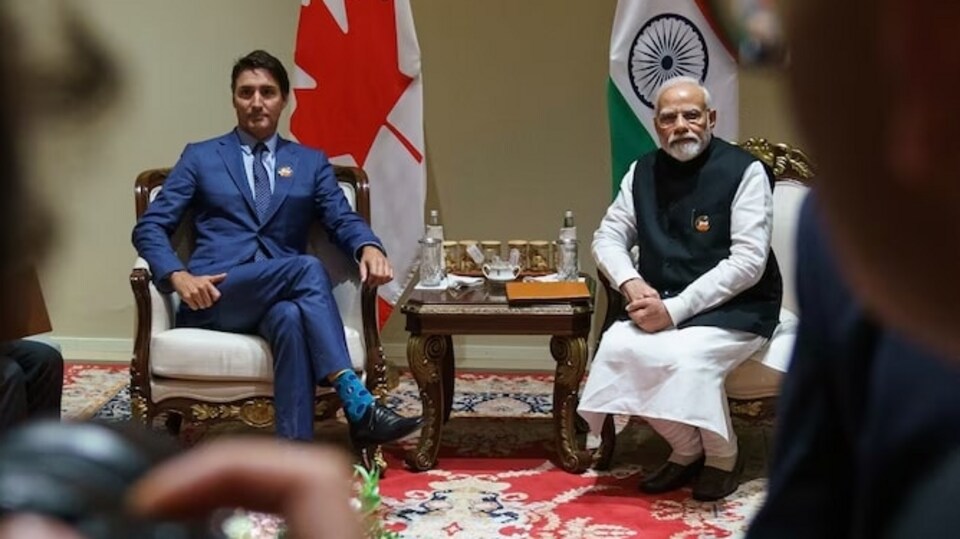
According to several senior officials, the response, across several dimensions, follows a meeting of top foreign ministry and national security officials in the new Parliament building on Wednesday morning. At one level, this response has taken the form of demanding that Canada come true on the allegation against Indian intelligence agencies. At another, it has taken the form of a message, using diplomatic channels, to Ottawa that India is ready to join the investigation in Canada, contingent on the evidence. And at a third, it has taken the form of an outreach by the country’s national security planners to India’s key allies in the West including the US and to Australia that Indian intelligence agencies had nothing to do with the killing and that the charges are baseless and motivated by local political calculus.
READ | Nijjar murder: Canada Opp asks Trudeau for India link proof
The minority Trudeau government is supported by the New Democratic Party of Khalistan supporter Jagmeet Singh. Finally, New Delhi is also putting in place plans and mechanisms to ensure the Indian diaspora in Canada is not polarised between Sikhs and Hindus, and that Indians and people of Indian origin in Canada remain safe.
India has already denied the charges made by Trudeau.
The officials, none of whom wished to be identified, said that external affairs minister S Jaishankar will further clarify India’s position during his visit to New York on September 23 to attend the United Nations General Assembly and then possibly pay a bilateral visit to Washington DC after his address to the UNGA on September 26.
READ | ‘Exercise utmost caution’: India issues advisory for its nationals in Canada
With Trudeau failing to rally both the Five Eyes grouping and the G7 — it is a part of both — to censure India over its alleged role in Nijjar’s killing, the Narendra Modi government is confident that its response is adequate. New Delhi has also pointed to Ottawa’s encouragement of separatists demanding Khalistan, a fringe radical group even among the Sikh diaspora.
Even as early as February 21, 2018, the officials said, then Punjab chief minister and now BJP leader Amarinder Singh gave a list and dossier of 10 terror fugitives being sheltered in Canada to Trudeau during the latter’s visit to Amritsar. The 10 names were: Gurjeet Singh Cheema, Gurpreet Singh , Hardeep Singh Nijjar, Gurjinder Singh Pannu, Malkeet Singh aka Fauji, Parvikar Singh Dulai aka Pary Dulai, Bhagat Singh Brar aka Baggu Brar, Sulinder Singh, Hardeep Sahota, and Tehal Singh.
The dossier contained the addresses of all the terror suspects in Canada along with a long list of their crimes. Despite the Punjab CM demanding action against the terrorists, Trudeau chose to do nothing.
The officials said one of India’s primary concerns is the safety of Indians and the Indian diaspora in Canada, especially with another separatist, Gurpatwant Singh Pannu, the leader of the proscribed Sikhs For Justice, issuing a threat to Canadian Hindus, asking them to leave the country. In a video posted on Wednesday, Pannu, based in the US, claimed that Canadian Hindus are working against Canada’s interests. The ministry of external affairs issued a detailed advisory, with especially strong language, to Indian students and Indian nationals in Canada asking them to “exercise utmost caution” in light of “growing anti-India activities” and “politically condoned hate crimes and criminal violence”. The officials said that the original draft used even stronger language but New Delhi decided to tone it down.


