
 E-Paper



No more tours, conferences: Lok Sabha secretariat draws austerity plan
The Lok Sabha secretariat said that only salaries and “extremely urgent” payments will be made in April and told its 2,000-odd staff “not to incur any expenditure without prior approval by their higher authorities.


Tours by members of Parliament, canteens, conferences and many such expenses may come to a halt as the Lok Sabha secretariat, which runs the lion’s share of the Parliament establishment, has told its staff to not spend more than 20% of its budget in the first quarter (April-June).
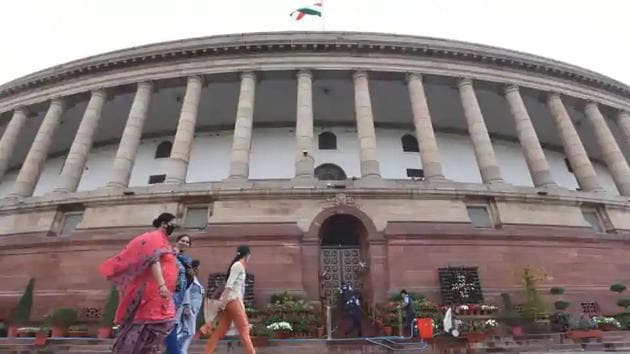
The Rajya Sabha secretariat, too, will put similar measures in place, officials said.
The Lok Sabha secretariat said that only salaries and “extremely urgent” payments will be made in April and told its 2,000-odd staff “not to incur any expenditure without prior approval by their higher authorities.
The internal circular, seen by Hindustan Times, said: “No payment other than ‘Salaries’ will be made during the month of April, 2020.”
It also said: “Payment on Wages/Professional fee due for the month of April, 2020 will be made on May 1.”
Parliament is trying to reduce costs to save money on a central government directive following the outbreak of Covid-19 and the subsequent 40-day lockdown, which is expected to take a heavy toll on the economy.
The Lok Sabha was allotted ₹811 crore in this year’s general budget, Rs 44 crore higher than the revised estimate of Rs 766.87 crore in FY 2019-20.
But with expenditure being curbed, a large part of the money is expected to remain unspent.
The Rajya Sabha has an annual budget of Rs 436 crore.
Restrictions on spending by the Lok Sabha secretariat mean that payments to hired agencies, travel to international conferences in the coming days, study tours by parliament panels and rentals for a fleet of cars will stop in the first quarter of the financial year, said two senior officials who requested anonymity.
Earlier this month, Lok Sabha speaker Om Birla and Rajya Sabha chairman M Venkaiah Naidu approved a 30% cut in the salaries of MPs, and the government issued an ordinance to stop releasing the annual ₹5 crore in annual Members of Parliament Local Area Development (MPLAD) funds to individual MPs for two years, diverting the money to expenses related to Covid-19.
Apart from the salaries and allowances of MPs, Parliament spends a hefty amount on annual maintenance contracts, canteens, international and domestic conferences, hosting foreign dignitaries, foreign tours of parliamentary delegations, payment to experts for appearing on Lok Sabha and Rajya Sabha TV shows, appointment of consultants and for recruitment.
Most of these expenses will stop up to June.
The internal said payments other than “medical advance / repairs of important equipment/system/committed expenditure or any other expenditure related to prevention against spread of COVID-19 etc. will be deferred for the remaining quarters of current financial year.”
The circular also asked all departments to give “account-wise weekly report on expenditure incurred during the first quarter of financial year 2020-21” to internal auditors.
Parliament complex will reopen to its staff on Monday but only a limited number of employees are required to attend office. A separate circular has also given details of the restricted number of gates, toilets and lifts that will be open for the use of officials.


