
 E-Paper



‘Non-voters’ row: Cops stop PDP leaders from protesting against new rule in J&K
PDP leaders, led by party chief spokesman Suhail Bukhari, tried to take out a demonstration from the party office on Residency Road, but were prevented from proceeding towards Lal Chowk


Leaders from the Peoples Democratic Party (PDP) in Jammu and Kashmir were on Friday stopped by the police from holding protests against the recent decision by the electoral office in the Union Territory that will allow non-locals to vote in the upcoming elections.
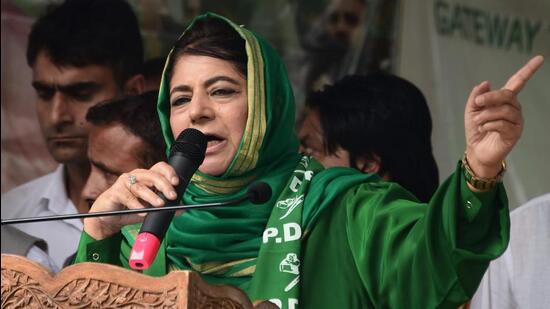
PDP leaders, led by party chief spokesman Suhail Bukhari, tried to take out a demonstration from the party office on Residency Road, but were prevented from proceeding towards Lal Chowk.
The PDP leaders raised slogans holding placards against the decision, and termed it ‘a black law’.
“For us, imported voters are unacceptable. Since August 5, 2019, the government of India began a process to disempower the people of J&K, and now they are adding more things to that, especially by giving voting rights to every non-local. Even outsiders living temporarily in J&K are being given voting rights, which is an attack on the identity and democratic rights of the people of J&K,” Bukhari said.
Also Read:JKNC chief Farooq Abdullah seeks all-party meet over ‘non-voters can vote’ row
Another PDP leader, Zuhaib Mir, termed this as an extreme onslaught. “Historically, we have seen people unite against every onslaught. The Bharatiya Janata Party has figured that people of differing ideologies in Jammu and Kashmir are becoming cohesive and uniting against Delhi’s decision of August 5, 2019 decision (repeal of Article 370). That’s why they are rigging the whole process by incorporating 2.5 million voters and creating new political parties. They are trying to break PAGD (Gupkar alliance) using the Enforcement Directorate, the National Investigation Agency, and other agencies against its leaders,” he said.
PDP president and former J&K chief minister Mehbooba Mufti termed the J&K electoral agency’s decision as the last nail in the coffin of electoral democracy in the Union Territory.


