
 E-Paper



Not only UN, India failed in acting against Pakistan for 26/11
The 26/11 attack in Mumbai and the 9/11 attacks were planned, funded and implemented from Pakistan but the global community still refrains from calling it a terror state.

 Prefer HTon Google


At the ongoing special meeting of the UNSC Counter-Terrorism Committee in Mumbai and Delhi today, India has shown a mirror to the UN apex for being unable to act against the Pakistani terrorists and its deep state for the 26/11 Mumbai massacre.
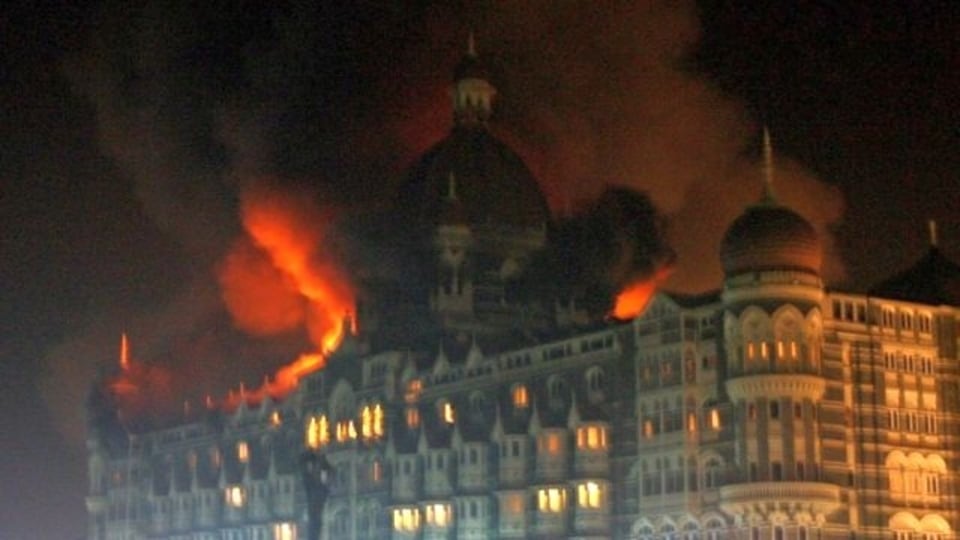
It is a fact that the UNSC has been found wanting in designating 26/11 main planners and implementers of the attack such as Lashkar-e-Toiba’s Sajid Mir and Abdul Rehman Makki as global terrorists in the 1267 Sanctions Committee due to veto exercised by Pakistan’s “iron brother” and permanent UNSC member China. Makki, brother-in-law of LeT’s emir Hafiz Saeed, is the main financier of the group, and Sajid Mir was the operational commander of the terror strike apart from LeT’s Zaki ur Rehman Lakhvi.
It is also a fact that despite as many as six US nationals died in the attack, the FBI and the Justice Department did not share the bank details of LeT’s Daood Gilani aka David Coleman Headley, Pakistan-origin US national, who conducted detailed reconnaissance of the targets for the strike on behalf of ISI and the terror group. The bank details of Headley will expose who were the Pakistanis as well as US nationals who were funding the terror scout. However, the actionable intelligence for the attack was given to India’s external agency by their US counterpart and the post-attack global investigations were conducted jointly by Intelligence Bureau’s team headed by Tapan Deka, who is now Director of IB, and senior officials of FBI who were specially flown in from the US to Mumbai with the latest forensic equipment.
While India has all right to take Pakistan to task over the 26/11 attacks, the then UPA-I regime was found wanting in retaliating against Islamabad for the dastardly attack which killed 166 innocents who were gunned down in cold blood. In fact, eight months after the massacre, then Prime Minister Manmohan Singh met his Pakistani counterpart Syed Yusuf Raza Gilani, a distant cousin of Daood David Headley Gilani, at Sharm-el-Sheikh in Egypt and issued a joint statement that mentioned the need for Pakistan to act against 26/11 perpetrators. The joint statement also for the first time introduced India’s role in restive Baluchistan in bilateral relations.
Despite India having conclusive proof of Pakistani terror group and deep state’s involvement in the 26/11 attacks, no precipitative action was taken by the UPA-I regime as it feared that unilateral Indian military action could lead to an all-out war with Pakistan. The western media and their promoters in India further weakened the Indian government’s resolve by discussing the nuclear flashpoint theory ad nauseum.
While 14 years have passed after innocent blood was shed on the streets of Mumbai and its iconic hotel was set on fire by Pakistani terrorists, many questions remain unanswered. Why did the Indian Navy and national security planners not declare a red alert and national emergency on the west coast after the US intelligence alert pinpointed on Al Husseini ship carrying terrorists to India? Why was the NSG team not placed in advance in Mumbai for faster response to any terror emergency? Why did the Navy and Coast Guard allow Indian fishing trawlers to sea off the coast of Gujarat and Maharashtra after the alert was received? The questions are many and very disturbing as the Indian Navy and the Coast Guard were conducting Defence of Gujarat exercises at that time. It is equally disturbing that the then Navy Chief Admiral Sureesh Mehta was appointed as ambassador to New Zealand after he demitted office. The global response was equally shoddy.
Although the Anglo-Saxon powers talk about territorial integrity, sovereignty, and rule of law, the same concepts are found to be missing when it comes to Pakistan and China. Pakistan not only illegally occupies the Indian territory of Jammu and Kashmir; it continues to violate the international rule of law by sending in trained jihadists and supporting fifth columnists to India to perpetrate mayhem and violence. China uses Pakistan to engage India through violence and at the same time illegally occupies the Aksai Chin area of Ladakh since the 1950s.
The point to make is that Pakistan will continue to target India till the government in New Delhi raises the political and economic costs for Islamabad. The 2016 surgical strikes and the 2019 Balakot strikes along with suspension of bilateral dialogue since 2016 have shaken the rulers in Islamabad and Rawalpindi GHQ. Post 26/11, Pakistan has proven to be a terror state with 9/11 chief planner Osama bin Laden killed by US forces in Pakistan and Al Qaida chief Ayman Al Zawahiri taking refuge in the Islamic Republic before being killed by US drone strike in Kabul this year. Founder chief of the Taliban Mullah Omar was sheltered in Pakistan like his present successor Mullah Haibatullah Akundzada. The list of terrorists in Pakistan is quite endless but the global community still thinks it is a fall-out of two nation theory.
The answer to Pakistani terror and its supporters lies in building Indian deterrence and not pleading before a toothless global talk shop.


