
 E-Paper



Odisha decides policy on installing statues in govt school after HC nudge
Odisha decided against spending public funds to install and maintain statutes in govt schools unless it is covered under an existing scheme or covered by a specific direction

 Prefer HTon Google


BHUBANESWAR: Only statutes of persons who have “contributed significantly” to nation-building, formation of Odisha or its language Odia can be installed on the premises of government schools, according to the policy finalised by the state school and mass education department.
As a general principle, the department also decided against spending public funds to install and maintain these statutes.
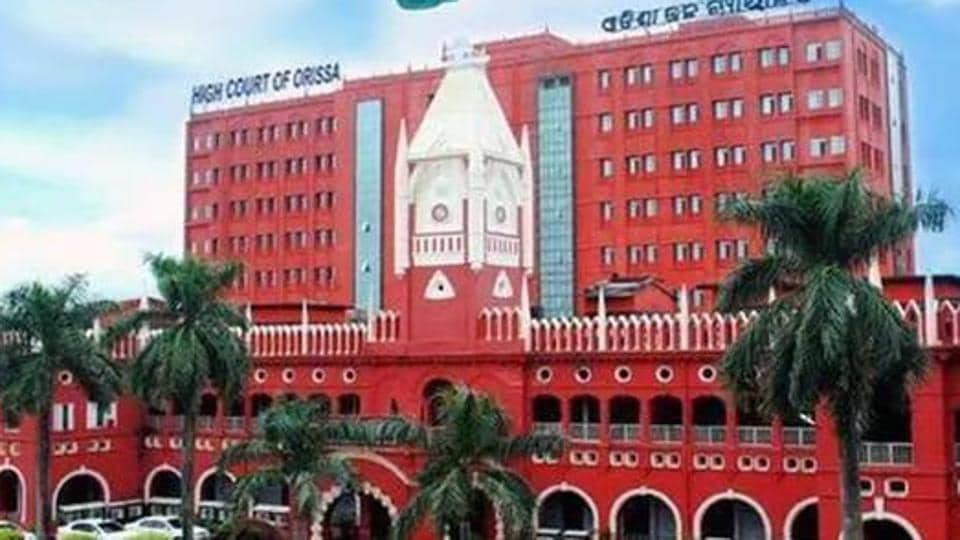
The policy was decided by the state government following directions of the Orissa high court to take a firm stand on the installation of statues in government schools. The high court’s nudge came on a petition that sought the removal of a statue of Raja Harihar Singh Mardaraj Bhramarbar Ray installed on the premises of Rama Chandra High School in Nayagarh district’s Khandapada area. The petition said the authorities had already installed six statues on the premises and that these were obstructing the movement of students.
“Only statues of any person who has contributed significantly towards nation-building, or a person from Odisha who has significantly contributed towards the formation of the state or who has contributed significantly towards language and literature of the state can be built inside the school premises,” a circular sent out by the school department said.
It added that requests for installing statues should include details about their dimensions and the proposed material.
“However, the dimensions of the installed statue should be convenient enough for the students to pay their homage without any hassle. The location of the installation should not obstruct the conduct of curricular/ extracurricular activities of the schools,” the directive said.
It underlined that the person making the request would have to meet all expenditures in this connection and that “no government money must be spent unless it is permissible under any existing scheme/specific direction. The applicant would also need to maintain the statue as required every year.
In April this year, municipal authorities of Angul town in Odisha had to remove two statues of the state’s first-elected chief minister Nabakrushna Choudhuri. Initially, the Angul municipality installed a life-size fibre statue of Choudhuri at the Gopabandhu Park in which he was shown as wearing a coat and a trouser, which the former Gandhian never wore in his life. After a controversy erupted, officials installed another fibre statue in which Choudhuri was shown wearing a dhoti and kurta. However, it led to another controversy as his daughter took offence to the way the dhoti was draped that led the authorities to pull it down also.



