E-Paper



Odisha hands over sub-inspector recruitment question paper leak case to CBI
The state government is considering the establishment of a permanent commission to oversee recruitment for the police and other uniformed services

 Prefer HTon Google


The Odisha government has handed over the probe into the police sub-inspector (SI) recruitment question paper leak case to the Central Bureau of Investigation (CBI).
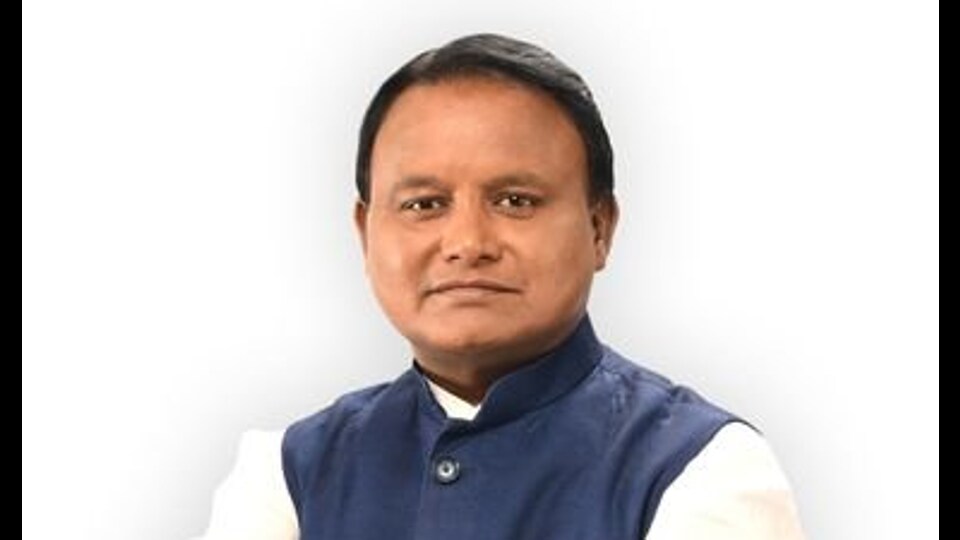
Muna Mohanty, one of the main accused in the case, is among the 119 people arrested in the case. Sankar Prusty, an alleged mastermind behind the leak, is on the run.
In a statement on Wednesday, Odisha chief minister Mohan Charan Majhi’s office said the leak possibly involves networks in Andhra Pradesh, West Bengal, and other states. “...with suspicion of the involvement of inter-state organised criminal gangs, the chief minister decided to entrust the probe to the CBI to ensure a thorough and transparent investigation, and to bring all those involved to justice with exemplary punishment.”
The statement said the government is considering the establishment of a permanent commission to oversee recruitment for the police and other uniformed services.
The SI recruitment examination scheduled for the first week of October was cancelled after the leak was discovered on September 30. The exam related work was outsourced to ITI Limited, a Kolkata-based government-owned telecommunications company, which contracted Silicon Techlab Private Limited in Bhubaneswar. It was later subcontracted to Bhubaneswar’s Panchsoft Technologies Private Limited.
An Odisha Police Recruitment Board official said the organisation’s limited capacity necessitated the outsourcing to the ITI Limited despite the government’s directions against doing so. “We have sought replies from ITI as to why it again outsourced the exam to a third party,” the official said.
Criminal Investigation Department officials, who probed the case, said Mohanty and Prusty worked in tandem to leak the question papers. Mohanty’s agents allegedly collected original certificates and blank cheques from aspirants in exchange for leaked question papers for ₹20 lakh and ₹25 lakh each.
Prusty allegedly ran multiple fake online test centres used to facilitate pre-exam manipulation and monitor candidates. “This was done in Vizianagaram in Andhra Pradesh and Digha in West Bengal...Prusty monitored from Delhi. Mohanty was in charge of the Vizianagaram module...Arvind Das was heading the Digha module,” said the CID additional director general Vinaytosh Mishra.