E-Paper



Odisha tusker succumbs to gunshot injuries; 3rd poaching in less than 2 months
Odisha has witnessed 245 wild elephant deaths in the last 3 years, of which at least 50 per cent died of unnatural causes like road and rail accidents, electrocution and poaching


Amid rising elephant deaths in Odisha due to poaching, one more tusker that was found with multiple pellet wounds in Cuttack district and undergoing treatment succumbed to its injuries on Friday, officials said.
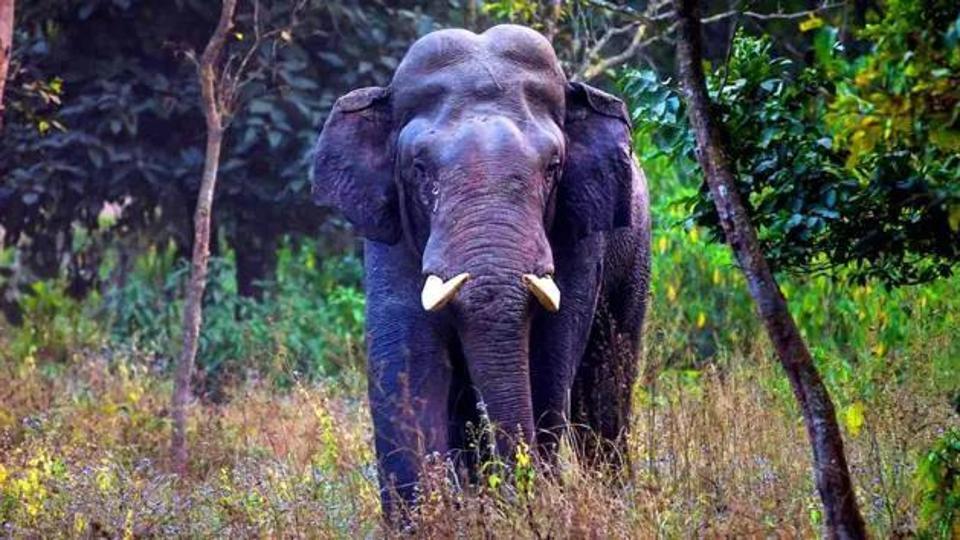
Athgarh divisional forest officer Sudarshan Gopinath Yadav said the tusker spotted by people moving in pain in a forest under Narasinghpur West forest range of Athgarh forest division on July 23 night was found with 5 gunshot wounds near left ear, leg, trunk and body. The tusker succumbed during the treatment, said the DFO.
Early this month, a 20-year-old tusker with its tusks scalped, was found dead by forest officials in Ganjam district. Two gunshot injuries were detected in its body. Last month, a 10-year-old male tusker in the same forest division died three weeks after it was shot at five-six places on its body including head, trunk and leg by alleged poachers.
On Sunday, officials of the special task force of Odisha CID recovered partially-burnt and unburnt bones as well as ashes of elephants from forests in Sambalpur district. From the size of the bones, they appeared to be that of large adult males who were poached for ivory. On June 2, 3 and 15, the special task force found bones and carcasses of elephants including a tusker from Athagarh forest division of Cuttack district. While two of the elephants died due to electrocution, one was shot dead and bodies were allegedly buried by the forest department staff to conceal their deaths.
A total of 245 wild elephants have died in Odisha in the last 3 years, of which at least 50 per cent died of unnatural causes like road and rail accidents, electrocution and poaching.
Though there is a provision of seven-year imprisonment for killing elephant, protected under Schedule I to the Wildlife (Protection) Act, 1972, only one poacher has been convicted in the last 10 years. STF which deals with organised crimes such as wildlife poaching, has seized 26 elephant tusks since 2020 signifying the rise in elephant poaching.
Early this week, while hearing a public interest litigation (PIL) into rising cases of elephant poaching in the state, the Orissa high court asked the state government to explain in detail the functioning of the ‘Wildlife Crime Cell’ created in the CID-Crime Branch of state police and the wildlife officials to give details of all the cases of elephant poaching in the state in the last 5 years. The high court also asked the chief wildlife warden to appear in person during the next hearing on August 8.