
 E-Paper



Coronavirus outbreak lockdown will affect forecasts: WMO
WMO said it is very concerned about the impact of Covid-19 on the quantity and quality of weather observations and atmospheric and climate modelling exercises.

 Prefer HTon Google


The World Meteorological Organisation (WMO) has flagged that lack of meteorological data from commercial aircraft, grounded across the world because of the coronavirus (Covid-19) pandemic will affect the reliability of weather forecasts.
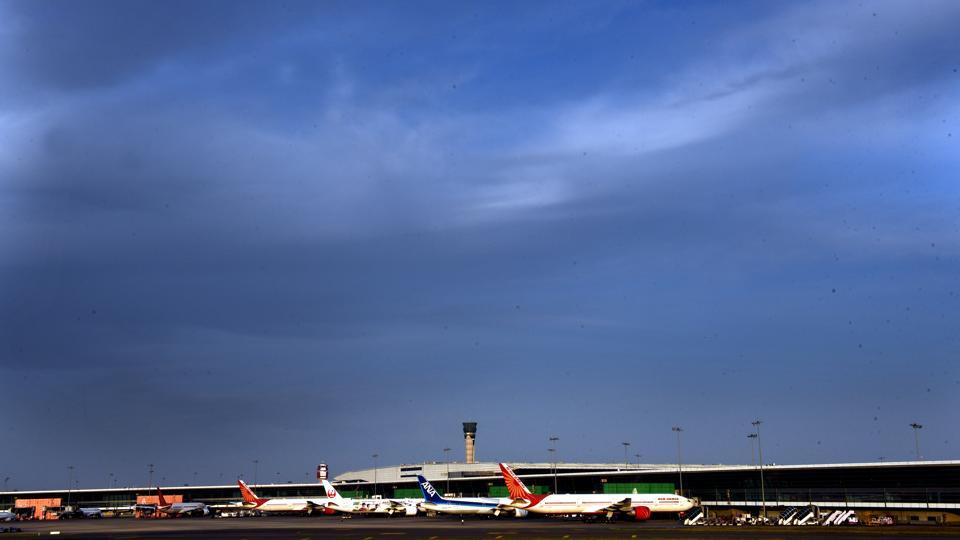
In a statement issued on Wednesday, WMO said it is very concerned about the impact of Covid-19 on the quantity and quality of weather observations and atmospheric and climate modelling exercises. In-flight measurements of temperature, wind speed and direction are used both for weather prediction and climate monitoring. Commercial aircraft contribute this data to the Aircraft Meteorological Data Relay Programme (AMDAR) of the WMO, which utilises onboard sensors, computers and communications systems to collect, process and transmit weather data to ground stations via satellite or radio.
Click here for the complete coverage of the Covid-19 pandemic
In several parts of Europe, the decrease in weather observations over the past couple of weeks has been dramatic, WMO said.
The AMDAR used to produce over 700000 (7 lakh/0.7 million) high-quality observations per day of air temperature, wind speed and direction. In developed countries, surface based weather systems are all automated but in developing countries most observations are still taken manually, which are already affected by the outbreak. But even for automated systems missing repair, maintenance and supply work will start having an impact if the pandemic lasts a few more weeks, the statement cautioned.
India Meteorological Department (IMD) is also impacted by this loss of weather data from aircraft. “This is a worldwide problem. India is no exception. Data from aircraft is very important, no matter where they are flying over the Indian territory. When they land, they send us crucial meteorological data, which is then compiled. We brief them about the forecast before they fly, and when they land, they debrief us. This debrief is used for numerical prediction models, which is further used for weather forecast,” said M Mohapatra, director general, IMD.
“The IMD and Ministry of Earth Sciences Network are being operated with hardship but our people are cooperating, so we will continue issuing forecasts and observations based on our own data. There is no disruption in giving information,” added Mohapatra. IMD and state governments have 552 manually operated weather stations, from which data needs to be collected by personnel every three hours. This may be affected later as people will have to be available to collect and compile this data.
“The impacts of climate change and growing amount of weather-related disasters continue. The Covid-19 pandemic poses an additional challenge, and may exacerbate multihazard risks at a single country level. Therefore, it is essential that governments pay attention to their national early warning and weather observing capacities despite the Covid-19 crisis,” said WMO Secretary-General, Petteri Taalas.
“Meteorological organisations usually use ground observations, satellites, pilot balloons and weather radars on commercial aircraft. Stable weather is expected in the southern hemisphere now and pre-monsoon activity will begin in the tropics. I am hoping the disruption will not cause much of a problem,” said Mahesh Palawat, vice president, Skymet Weather.
“At the present time, the adverse impact of the loss of observations on the quality of weather forecast products is still expected to be relatively modest. However, as the decrease in availability of aircraft, weather observations continues and expands, we may expect a gradual decrease in reliability of the forecasts,” said Lars Peter Riishojgaard, Director, Earth System Branch in WMO’s Infrastructure Department.


