
 E-Paper



Pakistan govt responds to PM Modi speech on its involvement in Pahalgam attack. Here's what they said
PM Modi said that Pahalgam attack's intent was to “incite riots in India and to disrupt the livelihood of the hardworking people of Kashmir”.

 Prefer HTon Google


Pakistan on Friday reacted to Prime Minister Narendra Modi's speech about Islamabad's involvement in the April 22 Pahalgam terror attack and said it was "dismayed".
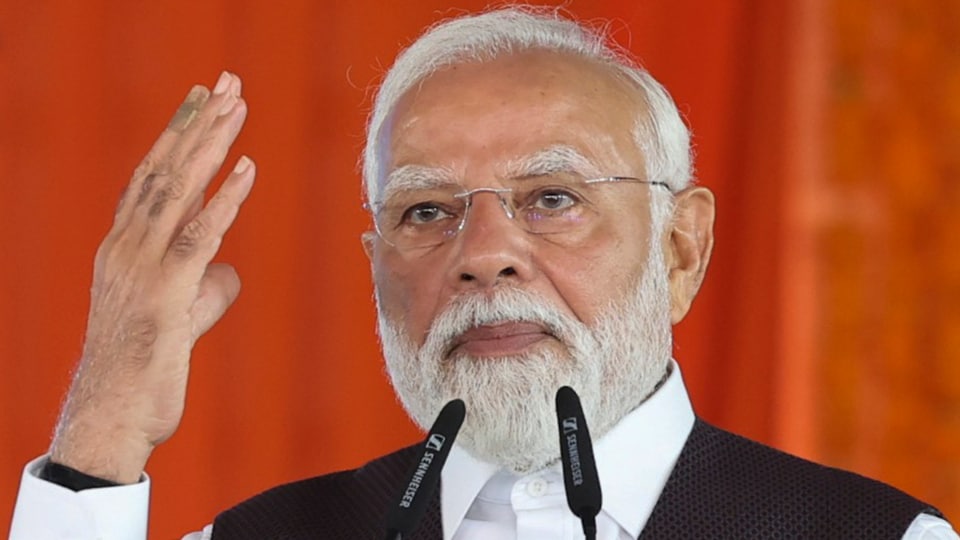
Addressing an event in Jammu and Kashmir's Katra, the PM said that the terror incident in Pahalgam was an at attack on the "insaniyat and Kashmiriyat", adding that it was aimed at triggering riots in India.
“Its intent was to incite riots in India and to disrupt the livelihood of the hardworking people of Kashmir. That is why Pakistan targeted the tourists," he added.
PM Modi took a sharp jibe at Pakistan and said that Islamabad "intended to incite communal violence in India and cripple the earnings of hard working Kashmiris.
Pakistan's foreign minister commented on PM Modi's remarks and said it “firmly rejects the baseless and misleading” comments.
“We are deeply dismayed that the Indian prime minister has once again chosen to accuse Pakistan of involvement in the Pahalgam attack, without presenting a single piece of credible evidence,” it said in a statement.
PM Modi also heaped praises on the people of Jammu and Kashmir for standing up against Pakistan's conspiracy.
ALSO READ | Weeks after Pahalgam attack, PM Modi waves Tiranga atop world's highest rail bridge in Kashmir | Watch
“The youth of Jammu and Kashmir are now determined to give a strong response to terrorism. This is the same terrorism that burned down schools, destroyed hospitals in the Valley, and ruined generations," he added.
India-Pakistan tensions
Tensions escalated between the two nuclear-armed neighbours after terrorists opened fire at civilians, mostly tourists, at Baisaran near Pahalgam on April 22. At least 26 persons lost their lives during this attack.
The following day, India imposed several measures against Pakistan as a response move to the terror attack, including the suspension of the Indus Waters Treaty.
Two weeks later, on May 7, the Indian armed forces launched Operation Sindoor, striking nine terror infrastructures in Pakistan and Pakistan-occupied Kashmir (PoK). Under this operation, more than 100 terrorists were killed.
Following India's strike, Pakistan also tried to launch a retaliatory action against New Delhi. However, all its attempts, including the use of cross-border shelling, drones, and unarmed aerial vehicles, were foiled by the Indian forces.
Amid the continued intense fighting, on the night of May 9-10, the Indian armed forces once again struck targets; this time, they were 13 Pakistani air bases and military installations.
After four-days of cross-border fighting, on May 10, the director general of military operations of Pakistan contacted his Indian counterpart, seeking a cessation of all military actions against each other. The two nations arrived at an understanding and ceased all activities on each other.


